
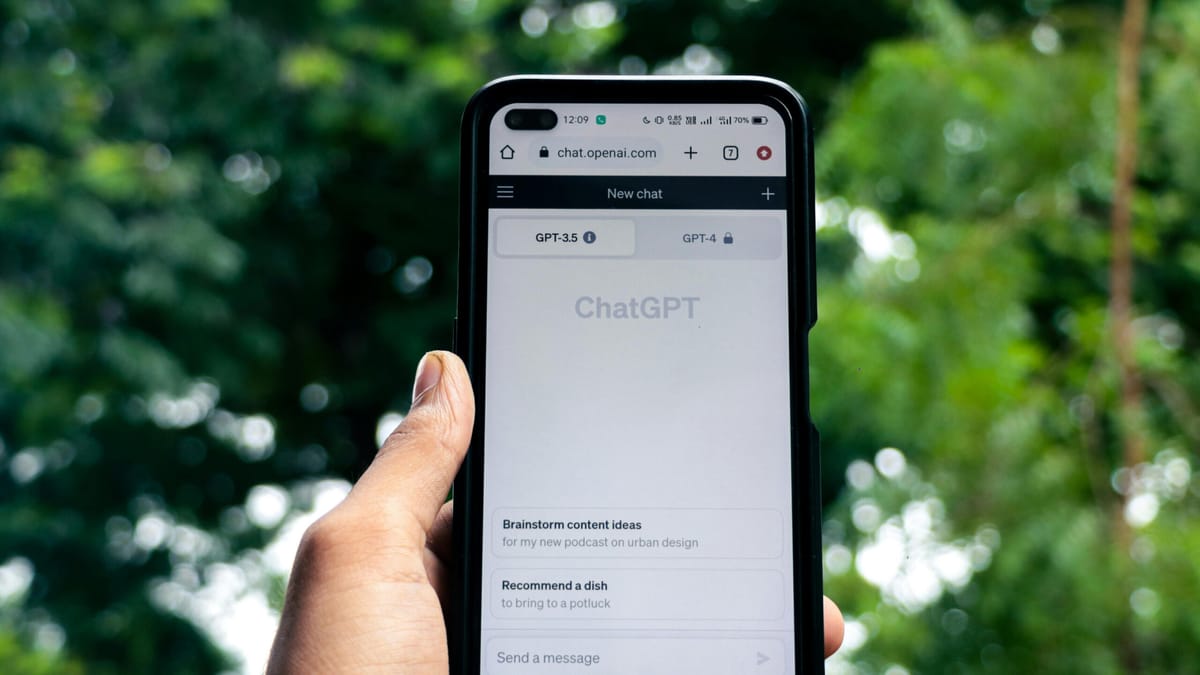
Here's the shift: more than one in three consumers now begins their information search with an AI tool rather than a traditional search engine. Not eventually. Not as a supplement. First.
That's the headline finding from a new behavioral study by Eight Oh Two — and while 37% might not sound like a majority, the trajectory it represents is structural. The question isn't whether AI-driven discovery is coming. It's what gets lost, and gained, when it arrives fully.
Why People Are Leaving Google
The reasons people cite are blunt. Forty percent say traditional search requires too much clicking. Thirty-seven percent flag too many ads. Thirty-three percent say they can't get a straight answer. Twenty-eight percent describe the content as repetitive or low-quality.
This is a description of a product that optimized itself into uselessness for a significant portion of its users. Google built the most powerful discovery engine in history, then filled it with sponsored results, SEO-gamed content, and enough friction that a meaningful share of people decided to just ask a machine instead.
The machine answers immediately. No links to sort through. No ads at the top. No "10 Best [X] in 2024" listicles written by someone who has never used any of them. Just an answer — or at least, something that looks and feels like one.
The New Discovery Stack
The study surfaces a useful frame: "Google handles the transactions, and ChatGPT handles the thought." When you already know what you want, you go to Google to buy it or navigate to it. When you don't know what you want — when you're exploring, deciding, researching — you increasingly go to AI first.
That split matters enormously for how culture gets discovered. Sneaker drops, new music, emerging brands, restaurant openings — these things have historically lived in the discovery layer of the internet. That's what SEO was built to capture. What happens when the discovery layer is an AI that generates shortlists instead of serving links?
The study's finding that 47% of consumers say AI influences which brands they consider trustworthy is the number that should keep marketers and cultural producers up at night. An AI-generated shortlist typically contains only a few brands. Getting onto that list — and staying there — is a different game than ranking on page one of Google.
The Gatekeeping Question
Traditional search was imperfect but legible. You could see where you ranked. You could work to improve it. You could understand, roughly, the rules of the system. AI-driven discovery is more opaque. The models that determine what gets recommended are trained on data that skews toward what was already prominent, already discussed, already linked. The rich get richer in a way that may be even harder to disrupt than Google's algorithm.
For independent cultural voices — newsletters, niche publications, small brands — the implications are real. If 59% of people believe AI will become their primary discovery method within the next year, and those AI systems are primarily surfacing established brands and mainstream sources, the mid-tier of the internet faces a visibility crisis that SEO could not have fully prepared anyone for.
The Trust Paradox
The study also found something worth sitting with: 80% of consumers feel confident in AI's objectivity, yet 85% verify AI answers through traditional search before acting on them. People trust AI enough to ask it first. They don't trust it enough to stop there.
That's not irrational. It's an accurate read of the technology's current state — useful for orientation, unreliable for precision. The hybrid journey the study describes — AI delivers the first answer, search confirms it — is a description of how thoughtful people are actually navigating this transition.
The question is how long that verification habit holds as the models improve and as fewer people bother to check.
Discovery is power. Whoever controls what gets discovered controls what gets attention, what becomes culture, what sells. For the last two decades, that was Google. The transition happening now isn't just a shift in consumer behavior. It's a redistribution of cultural gatekeeping — and the new gatekeepers are still being figured out.
Comments