AFCON 2025 Preview: Continental Power Shifts as Ghana Watches From the Sidelines
Ghana's first AFCON absence since 2004 signals a seismic shift in African football power dynamics as Morocco's 2025 tournament reshapes continental hierarchies

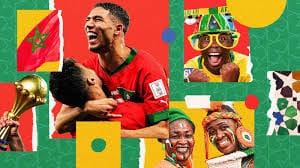
The 2025 Africa Cup of Nations begins December 21 in Morocco, marking not just another continental tournament but a seismic shift in African football's institutional hierarchy.
For the first time since 2004, Ghana—four-time champions and West African footballing royalty—will be conspicuously absent, having finished bottom of Group F without a single victory. This absence of the Black Stars represents more than qualification failure; it's a cultural reckoning that exposes the fragility of established football dynasties and the democratization of African football excellence.
Morocco's hosting provides the perfect stage for this power realignment, as the Atlas Lions leverage home advantage and their 2022 World Cup momentum to challenge Egypt, Nigeria, and Senegal's claims to continental supremacy.
Ghana's elimination cuts particularly deep for the diaspora who've witnessed the nation's steady decline from AFCON semifinal regulars to group-stage strugglers. The Black Stars' collapse—managing just two goals across five qualifying matches—reveals systematic institutional failures that mirror broader questions about West African football infrastructure and youth development. Stars like Mohammed Kudus, Thomas Partey, and Antoine Semenyo watching from London and Madrid while their national team languishes represents a painful disconnect between individual excellence and collective institutional failure.
This absence creates space for emerging nations like Angola and Sudan to claim legitimacy on Africa's biggest stage, fundamentally reshaping regional football hierarchies that have remained static for decades.
The tournament's Christmas timing and Morocco's infrastructure investment signal CAF's growing institutional confidence, positioning AFCON as a global cultural moment rather than a European schedule afterthought.
With Mohamed Salah potentially playing his final AFCON at 33 and Morocco's golden generation seeking validation at home, 2025 represents a generational transition that extends beyond football into broader questions of African cultural leadership.