
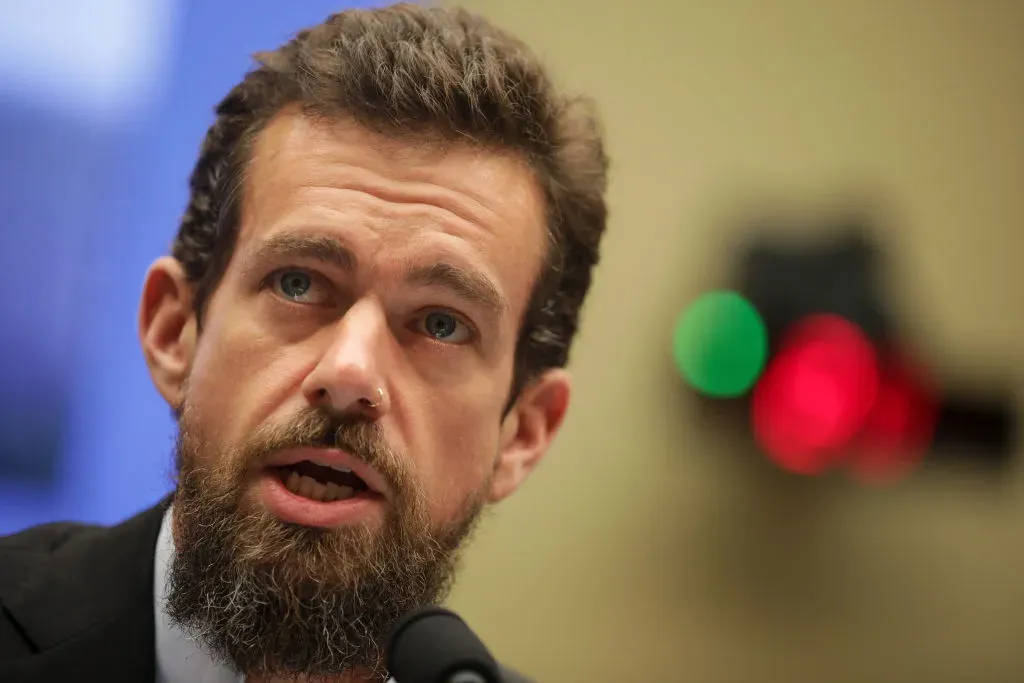
On February 26, Block announced it's cutting more than 4,000 employees, reducing its headcount by nearly half — from over 10,000 to just under 6,000. The announcement came alongside Q4 earnings, where the company beat estimates with gross profit up 24% year-over-year to $2.87 billion. Investors responded by sending the stock up over 24% in after-hours trading.
The stated reason: AI. Dorsey wrote in a shareholder letter that "intelligence tools have changed what it means to build and run a company," pointing to Block's internal AI systems — including a proprietary tool called Goose — as evidence that significantly smaller teams can produce better work. He chose a single, swift cut over gradual reductions to avoid "prolonged uncertainty."
Affected employees will receive 20 weeks of severance plus one week per year of tenure, equity vested through end of May, six months of health coverage, their corporate devices, and $5,000 in transition support. Restructuring charges are expected to run $450–$500 million, mostly hitting Q1.
The move draws direct comparisons to Elon Musk's 2022 Twitter playbook — a 50% workforce cut executed in one shot. Dorsey, a longtime Musk admirer, is now running the same script at a public fintech company with Square, Cash App, and Afterpay under its umbrella.
The broader context is hard to ignore. U.S. companies announced 108,435 layoffs in January 2026 alone — up 118% year-over-year and the highest January total since 2009. Block joins Amazon, eBay, and Microsoft in explicitly tying headcount reductions to AI adoption. Whether AI is genuinely driving the efficiency gains or serving as cover for financially motivated cuts remains the central question — one a recent Forrester Research report suggested leans toward the latter.
What's undeniable is the signal Dorsey is sending. A profitable, growing company just eliminated half its workforce and watched its stock surge. The market has spoken. The pressure on other CEOs just intensified considerably.
Comments