
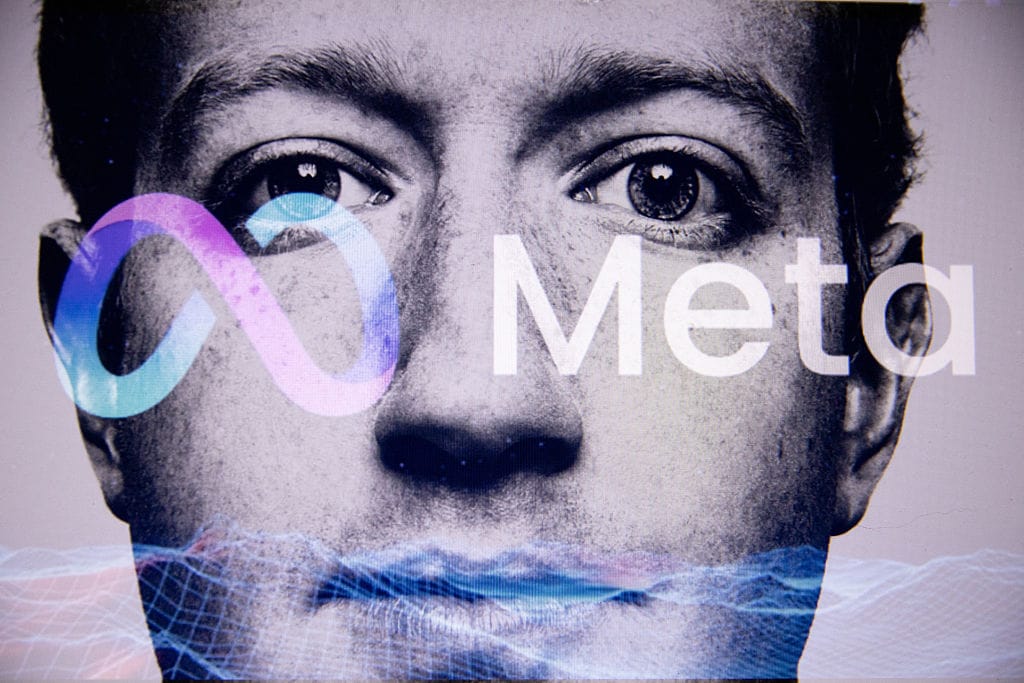
China's National Development and Reform Commission ordered Meta and Manus to unwind their $2 billion acquisition agreement on Monday, ending a months-long regulatory probe that began in January. The NDRC's brief statement gave no detailed reasoning beyond requiring all parties to withdraw, but the read across Beijing, Washington, and inside the AI industry is the same: China is no longer willing to let its frontier AI startups be bought by American hyperscalers, regardless of how the cap table is structured.
Manus is the agentic AI company that briefly captured the Western imagination earlier this year for the demo videos in which a single chat instruction triggered an entire workflow — booking flights, building spreadsheets, executing tasks across browsers and apps without further human input. The company was Chinese-founded but had restructured to a Singapore parent in what was widely understood as a play to make itself acquirable by a US buyer. The structure didn't matter. Beijing's position is that the underlying technology is Chinese, the engineers are Chinese, and the question of who controls agentic AI is now a national-security matter on both sides of the Pacific.
Meta's response — that the deal "complied fully with applicable law" — is technically accurate and strategically irrelevant. The deal was always going to be a test of whether the post-2024 thaw between Washington and Beijing extended to the AI stack, and the answer arrived before the Trump-Xi summit in Beijing scheduled for next month. It does not. Mark Zuckerberg paid $2 billion to learn that his company can build AI products, deploy AI products, and acquire AI talent in California, but cannot acquire a Chinese AI company at any price. That is a useful lesson, just an expensive one.
The bigger consequence is for every other Chinese AI startup that has been quietly assuming a US exit was on the table. It isn't. The pool of buyers for frontier-AI companies founded in China just shrank to domestic players — ByteDance, Alibaba, Tencent, Baidu — and a handful of Middle Eastern sovereign wealth funds willing to play in the political middle. For US tech, the message is sharper still: the next wave of agentic AI competition will be built in two separate ecosystems, and the bridge that allowed talent and IP to flow between them is closing in real time.
Related on Uristocrat: Alibaba's Qwen3.7-Max agent model.
Comments