
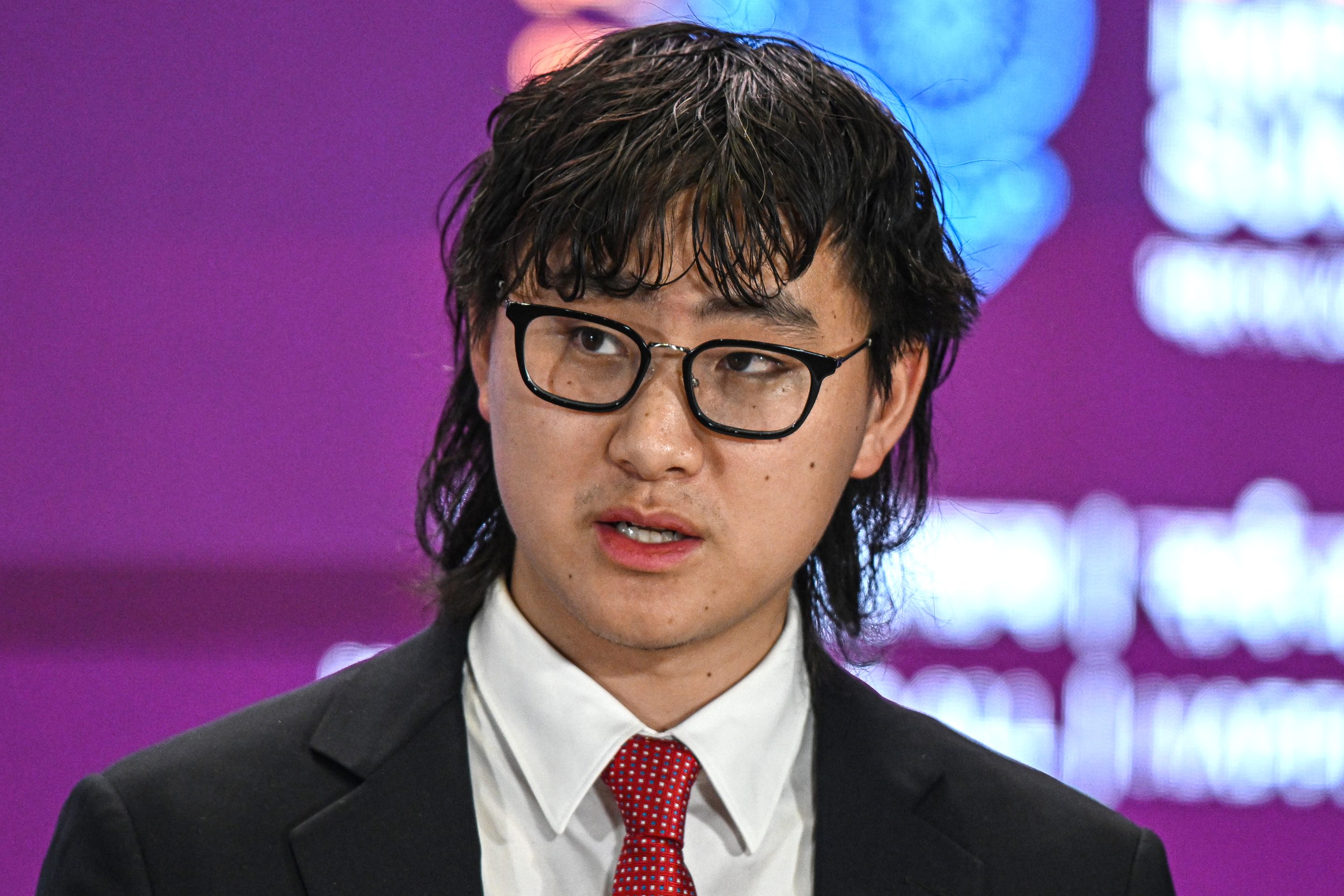
On April 8, Meta released Muse Spark — its first model out of Meta Superintelligence Labs, the new AI division built around Scale AI's CEO Alexandr Wang, whom Meta brought in as Chief AI Officer after spending $14.3 billion to acquire a 49% stake in Scale AI.
The model is proprietary. That's the sentence that matters.
For three years, Meta's entire AI identity was built around openness. Llama 2, Llama 3, Llama 4 — each release came with the argument that open-source AI was both a principled choice and a competitive strategy. Give the models away, build the ecosystem, let the world build on top of Meta's research. Mark Zuckerberg personally championed this framing repeatedly, positioning Meta as the democratic counterweight to closed models from OpenAI and Anthropic.
That identity is now officially complicated.
What Happened to Llama
Llama 4, released in April 2025, was widely criticized as underperforming relative to the competition. Meta's research position had been eroding, and the open-source bet — while philosophically consistent — wasn't producing the competitive differentiation the company needed.
So they did what any large company does when a strategy isn't working: they hired someone new, restructured, and changed the approach. Wang joined with a mandate to rebuild Meta's AI stack from scratch. By his own account, Muse Spark was built in nine months with "over an order of magnitude less compute" than Llama 4 — which, if accurate, represents a significant architectural advancement.
The benchmark results are credible. Muse Spark leads on HealthBench Hard (42.8%) and competes with GPT-5.4 and Claude Sonnet 4.6 across most evals, though it trails slightly on GPQA Diamond (89.5% vs. competitors' 92-94%). For a model built in nine months with less compute, those numbers are noteworthy.
The Closed-Source Reversal
The strategic logic is straightforward: Meta's competitive moat in AI is its distribution. Facebook, Instagram, WhatsApp, Messenger, and Ray-Ban Meta glasses collectively represent billions of active users. Muse Spark is rolling out across all of those products now. When your AI model is already sitting on top of the world's largest social platforms, you don't need developer goodwill in the same way you did when you were trying to build ecosystem.
Open-source was the right move when Meta needed allies. Closed-source is the right move when Meta has distribution that nobody else can match. The ideology didn't change — the competitive situation did.
What This Signals for the Industry
When the most prominent advocate for open AI decides its future requires going proprietary, that's a data point worth tracking. A few implications:
- The AI platform wars are entering a closed phase. The window for open-source models to shape the direction of the field is narrowing as proprietary models — with more compute, more data, and closed training — pull ahead on benchmarks.
- Distribution beats openness. Meta's pivot confirms what the closed-model companies have been arguing: scale of users matters more than ecosystem goodwill at this stage of the race.
- Alexandr Wang is now a key figure to watch. He rebuilt Meta's AI stack in nine months and produced a frontier model. That track record puts him in a position of significant influence over one of the world's most powerful technology companies.
For urban professionals who use Meta products daily or are navigating the AI space professionally, this shift is directionally important. The AI you use is increasingly going to be determined by which platforms you already live on — and those platforms are not going to share their models with anyone.
Sources: Fortune, TechCrunch
Comments