
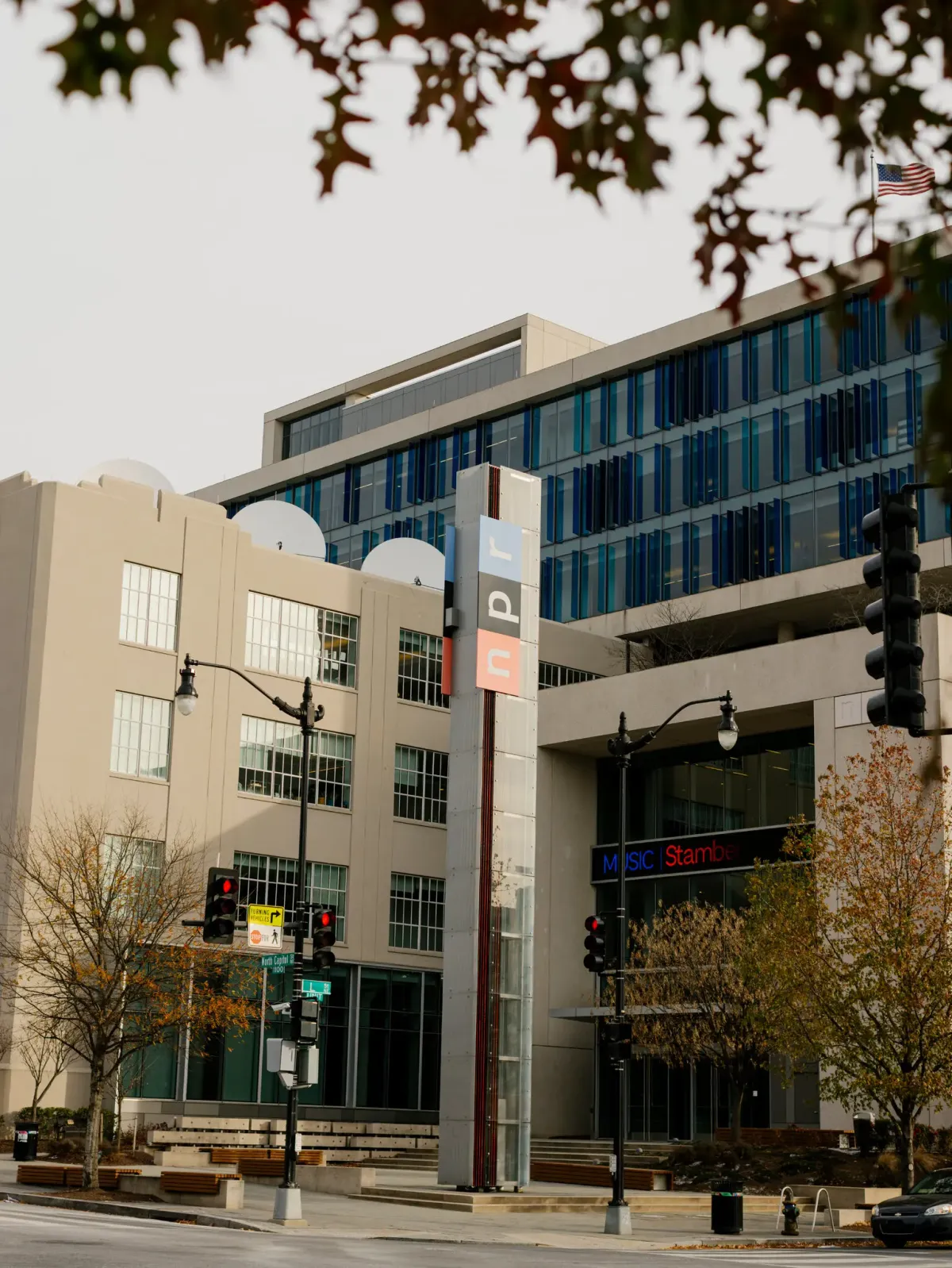
Federal judge Randolph D. Moss issued a permanent injunction on March 31, ruling that Trump's executive order to defund NPR and PBS was "unlawful and unenforceable." The legal basis: the order violated the First Amendment by using the federal purse to punish broadcasters for their editorial content. The order had stated explicitly that neither NPR nor PBS "presents a fair, accurate, or unbiased portrayal of current events to taxpaying citizens," which the court found to be exactly the kind of viewpoint-based government retaliation the First Amendment prohibits.
Judge Moss's ruling was pointed: "The First Amendment draws a line, which the government may not cross, at efforts to use government power — including the power of the purse — to punish or suppress disfavored expression by others." The court found that singling out two specific speakers and barring them from all federally funded programs based on their speech crossed that line.
The practical impact is limited. Congress separately voted last summer to rescind federal funding for public media — that action stands and is unaffected by this ruling. The injunction blocks the executive order but doesn't restore the money Congress already clawed back. What it does do is establish a legal precedent that could constrain any future attempts to use the executive order mechanism to defund media on viewpoint grounds. That's the part worth watching.



Comments