From Hype to Heritage: How Wale and A Ma Maniéré Signal the End of Drop Culture
Two December sneaker launches signal the end of hype-driven marketing. Wale's Nike GT Future and A Ma Maniéré's Jordan 4 prove that authentic heritage storytelling now drives premium pricing better than artificial scarcity.

The Cultural Shift Nobody Saw Coming
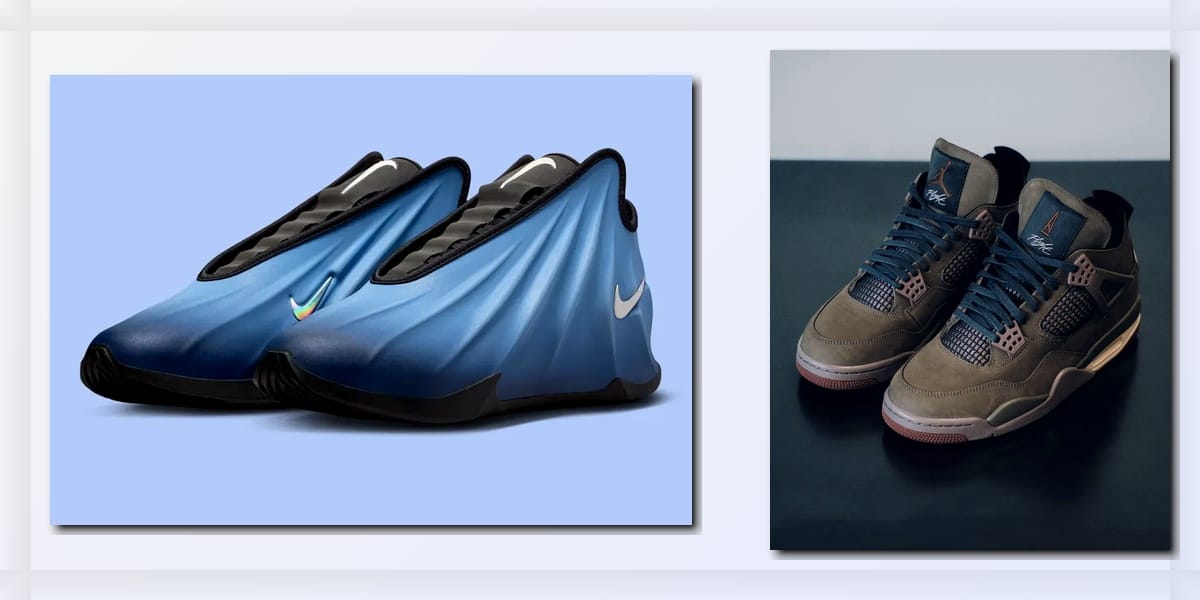
Two sneaker launches this December tell the story of an industry quietly abandoning the hype machine that dominated the 2010s. Wale's Nike GT Future "Ice" dropped December 13th exclusively through select Foot Locker locations with community-focused activations, while A Ma Maniéré's Air Jordan 4 "Built For This" releases December 19th with narrative packaging featuring original artwork by Jammie Holmes. Both represent a fundamental change in how brands build desire—replacing artificial scarcity with authentic storytelling.
For brand strategists and marketing directors, this shift demands immediate attention. The playbook that worked five years ago is becoming obsolete.
The Death of Drop Culture
Traditional sneaker marketing relied on a simple formula: limit supply, generate frenzy, capture headlines. Nike's GT Future initially released with just 300 pairs at the NY vs. NY high school basketball tournament, but that scarcity wasn't the story. Instead, Wale's campaign celebrates Washington D.C.'s basketball heritage, referencing legends like Kevin Durant, Carmelo Anthony, and Victor Oladipo.
Meanwhile, A Ma Maniéré frames their Jordan 4 around "the clarity, gratitude, and sense of arrival that comes after the work is finally seen"—positioning the shoe as earned luxury rather than status trophy.
The data supports this narrative shift. Industry veteran Frank Cooker, who returned to Nike in 2024, has emphasized the brand is "restoring the feeling" of sneaker culture's brightest eras. Translation: Nike recognizes that hype fatigue is real, and consumers crave substance over spectacle.
 uristocrat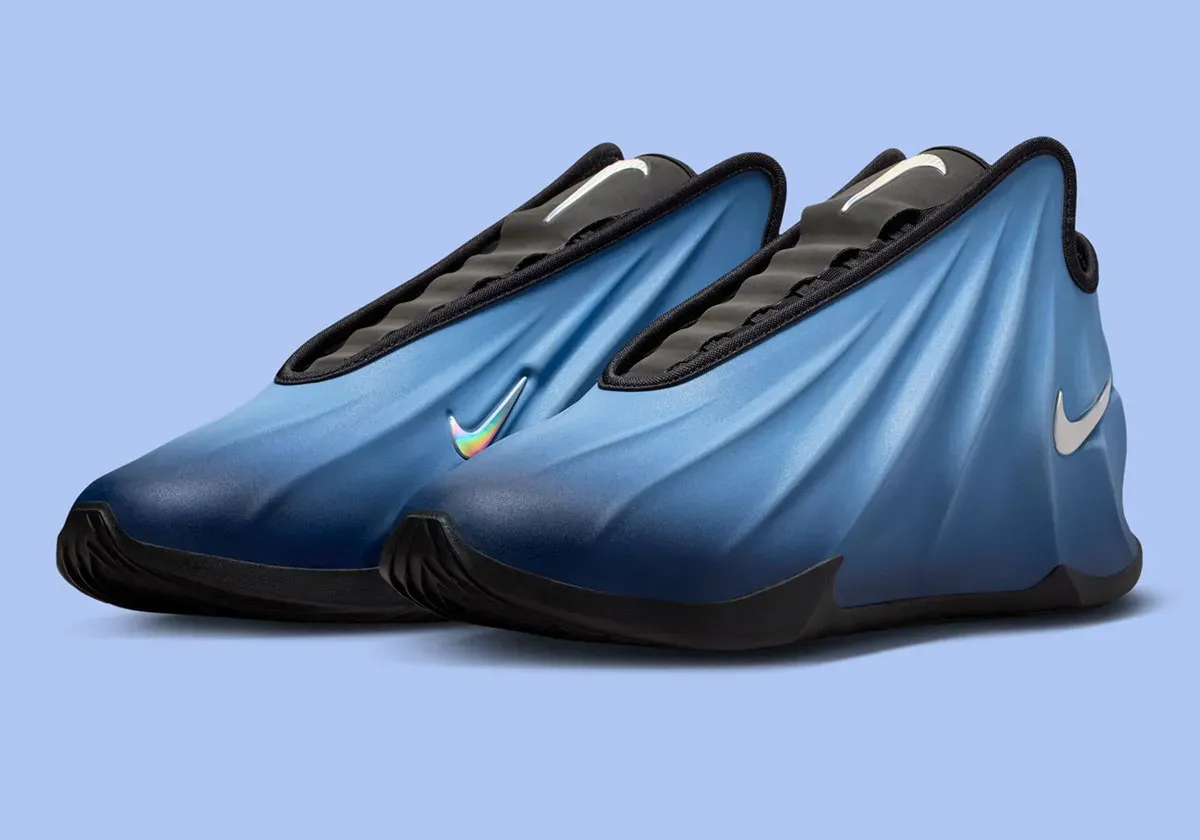
Regional Identity vs. Global Hype
Wale's activation included appearances at Foot Locker Hillcrest Heights in Maryland and a 1-on-1 tournament at Ballou High School in Washington, D.C. This hyperlocal approach creates deeper connections than any social media campaign.
A Ma Maniéré's "Built For This" campaign explores heritage, perseverance, and community empowerment through premium materials and thoughtful color placement. The brand consistently positions itself as culturally grounded rather than trend-driven.
Strategic Insight: Brands succeeding in 2025 understand that regional authenticity travels further than global flash. Wale's DMV focus and A Ma Maniéré's Southern heritage create emotional connections that drive long-term loyalty.
 uristocrat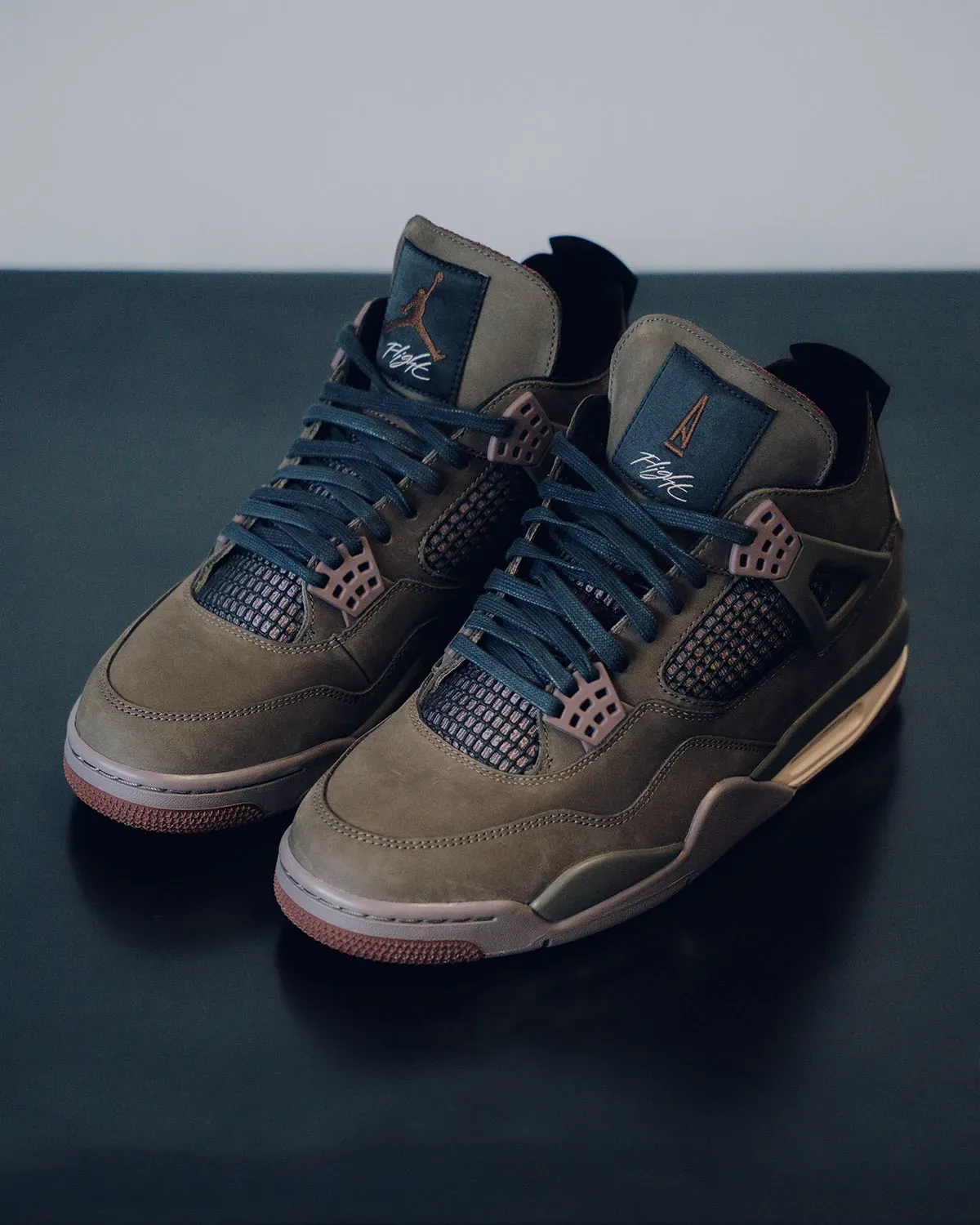
The Economics of Narrative Marketing
Consider the investment difference: Wale's GT Future retails for $200 while A Ma Maniéré's Jordan 4 commands $225. Both justify premium pricing through storytelling, not scarcity.
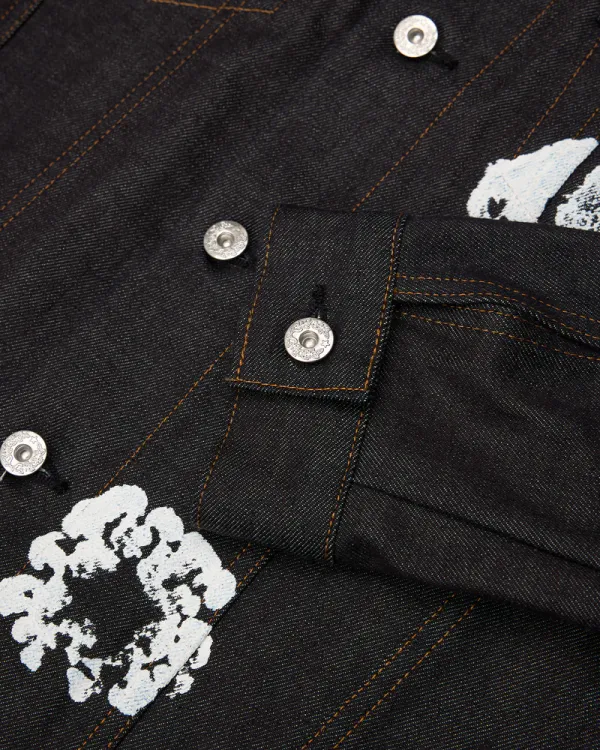
A Ma Maniéré's approach includes luxury packaging, premium nubuck materials, and original artwork by Jammie Holmes. Every element reinforces the narrative investment, creating perceived value that extends beyond the product.
Wale's campaign commercial stars actor Gbenga Akinnagbe and standout point guard Ant Brown, highlighting D.C.'s basketball talent pipeline. The production value signals serious brand commitment to the story, not just the shoe.
What This Means for Your Brand Strategy
If You're Still Using Hype Tactics:
You're 18 months behind. The most significant inline basketball model Nike has released recently centers around community storytelling rather than limited quantities. Brands clinging to artificial scarcity risk appearing inauthentic to increasingly sophisticated consumers.
The New Playbook Requires:
- Regional Anchoring: Both campaigns root themselves in specific geographies—DMV basketball culture and Southern heritage narratives
- Multi-Generational Storytelling: A Ma Maniéré's partnerships feel like cultural essays written in leather, fabric, and form
- Premium Justification: Higher price points supported by authentic cultural investment, not artificial limitation
- Community Integration: Real activations with local institutions rather than influencer marketing
The Framework for Heritage Marketing
1. Identify Your Cultural Truth
Wale's Nike collaboration works because of his genuine connection to DMV basketball culture. A Ma Maniéré succeeds through consistent exploration of Black cultural narratives. Both brands identified authentic cultural positions before building campaigns.
2. Invest in Narrative Infrastructure
A Ma Maniéré includes original artwork by Jammie Holmes inside shoe boxes, ensuring the story extends beyond initial purchase. Wale's commercial was directed by Pierre Edwards and executive produced by Kazz Laidlaw, signaling serious production investment.
3. Build Community Before Product
Wale's activation strategy included high school basketball tournaments and community meet-ups before the shoe release. The relationships precede the transaction.
The Competitive Reality
Brands maintaining hype-driven strategies face diminishing returns as consumers develop narrative literacy. Despite A Ma Maniéré's limited quantities and high demand, the focus remains on quality, intention, and storytelling rather than artificial scarcity.
The December 2025 sneaker calendar illustrates this perfectly: two major launches succeeding through completely different value propositions than the previous decade's playbook demanded.
What's Next
Smart brands are already pivoting. The question isn't whether heritage storytelling will replace hype marketing—it's whether your brand will lead the transition or scramble to catch up.
Nike's decision to involve Wale in GT Future marketing stems from his previous work with the brand in the late 2000s and early 2010s, suggesting major brands are actively returning to relationship-driven strategies.
For marketing directors: the infrastructure investment required for authentic heritage storytelling takes 12-18 months minimum. Start identifying your cultural position now, or watch competitors capture the narrative space you could have owned.
The era of manufactured scarcity is ending. The age of earned storytelling has begun.