Giannis Antetokounmpo suffers calf strain vs. Pistons, leaves game under own power
Giannis Antetokounmpo suffers a non-contact calf strain against the Pistons, exiting early amid reports that he and his agent are discussing his future with Milwaukee. The timing underscores the Bucks' organizational fragility and intensifies trade speculation.

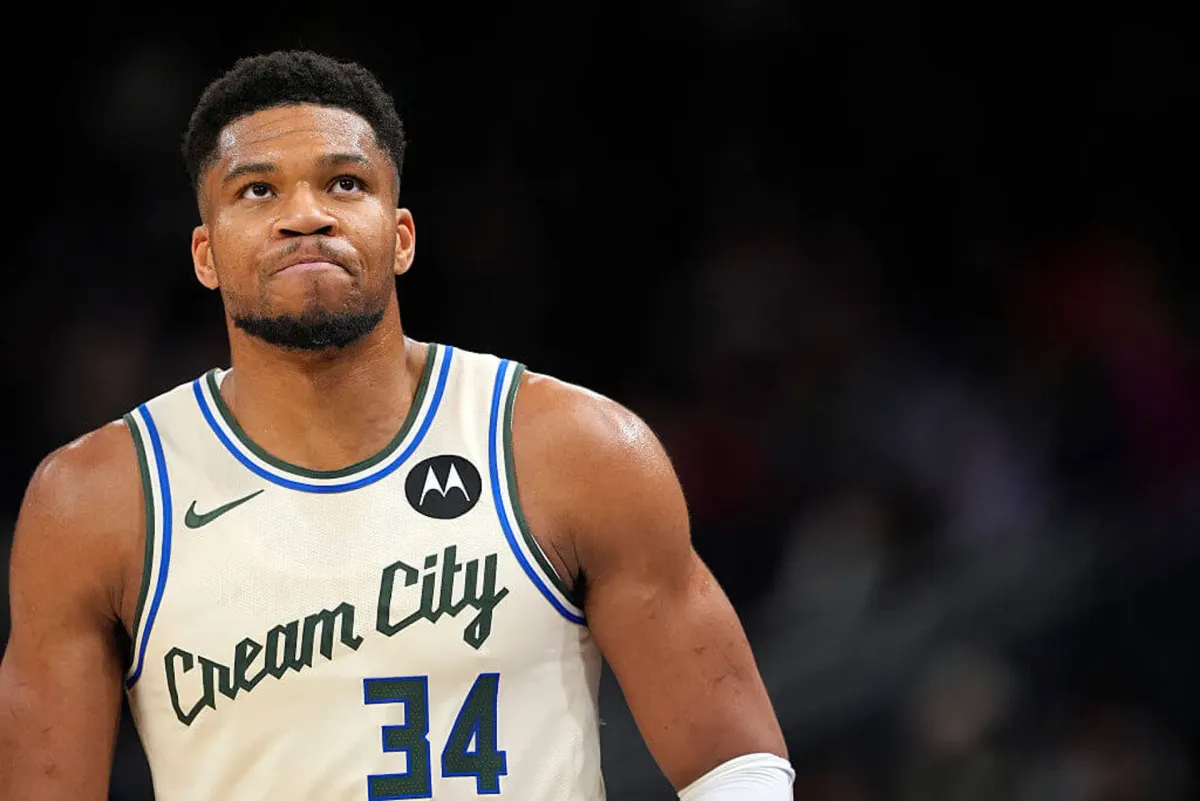
Giannis Antetokounmpo exited the Milwaukee Bucks' game against the Detroit Pistons on Wednesday night with a right calf strain, a non-contact injury that occurred less than three minutes into the first quarter. The two-time MVP slipped in the painted area while heading back up court, clutched his right leg, and walked gingerly to the locker room before being ruled out for the remainder of the game.
The injury's timing carries particular weight, coming just hours after ESPN reported that Antetokounmpo and his agent had begun conversations with the Bucks about his future in Milwaukee. The convergence of physical setback and organizational uncertainty creates a perfect storm around the franchise's cornerstone player.
The Context of Crisis
The Bucks entered Wednesday's game with a 9-13 record, having lost eight of their previous nine contests. When Antetokounmpo missed four games with a left adductor strain in November, Milwaukee went winless, underscoring their complete dependence on their superstar.
The team's offensive rating tells the story starkly: 126.9 points per 100 possessions with Antetokounmpo on court (which would lead the NBA), versus 107.7 when he sits (third-worst in the league). This isn't just about losing a player—it's about losing the entire foundation of competitive viability.
Wednesday's injury occurred against a backdrop of intensifying trade rumors that reached a crescendo earlier in the day. ESPN's Shams Charania reported that Antetokounmpo and his agent Alex Saratsis were discussing "whether his best fit is staying or a move elsewhere," with a resolution expected "in the coming weeks." More provocatively, ESPN's Brian Windhorst claimed that Antetokounmpo had already requested a trade during the offseason, specifically expressing interest in joining the New York Knicks.
Bucks coach Doc Rivers vehemently disputed these reports before the game, stating "Giannis has never asked to be traded—ever. I can't make that more clear." However, Rivers' denials seemed to carry less weight than the mounting evidence of organizational discord, including Antetokounmpo's apparent social media purge that removed most Bucks-related posts while preserving only championship memories.
The non-contact nature of Antetokounmpo's injury adds another layer of concern for Milwaukee. Calf strains, particularly those occurring without external force, often indicate accumulated stress or compensation patterns from other injuries. Antetokounmpo was playing just his fourth game since returning from the left adductor strain, suggesting his body may still be adapting to full competitive intensity.
The Broader NBA Landscape
The Knicks connection adds intrigue to any potential resolution. New York reportedly emerged as Antetokounmpo's preferred destination during summer trade discussions, with ESPN indicating that preliminary conversations occurred between the franchises in August before falling apart. The Knicks' current roster construction and championship aspirations align with Antetokounmpo's stated desire to compete at the highest level.
Looking Forward
The coming weeks will reveal whether Antetokounmpo's calf strain serves as catalyst for broader organizational changes or merely another obstacle in Milwaukee's troubled season. His injury timeline—typically 2-4 weeks for calf strains depending on severity—coincides with the period when trade discussions are expected to reach resolution.
For the Bucks, the challenge extends beyond immediate roster decisions. They must demonstrate that their current trajectory can support championship aspirations, a difficult argument when their record without their best player suggests institutional fragility rather than competitive depth.