
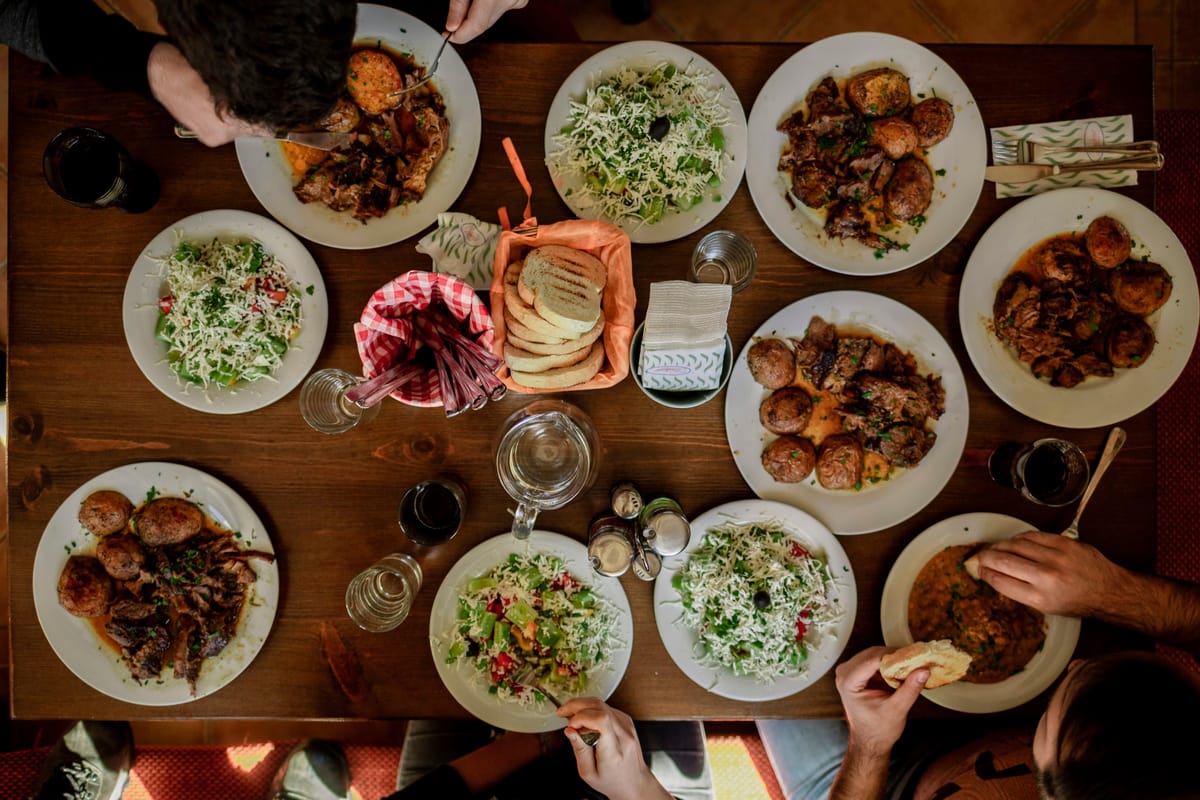
At some point between the loneliness epidemic statistics and the eighteenth post about someone's morning routine, a significant portion of the population made a quiet decision: the phone stays in the pocket.
The phenomenon has been labeled "community maxxing" — the deliberate prioritization of in-person, low-documentation social experiences as a form of lifestyle optimization. Dance parties where you're expected to be present. Dinners without the group photo. Running clubs and book clubs and cooking meetups where the event itself is the point, not the content it generates.
The Data Behind the Shift
The numbers driving this are not subtle. Forty percent of U.S. adults now identify as lonely, up from 35% in 2018. Gen Z — the generation with the most native digital literacy — reports the highest dissatisfaction levels despite averaging 4.5 hours of daily social media use. An Oregon State University study found that people in the top 25% of social media usage frequency were more than twice as likely to experience loneliness as those who used it less.
The Surgeon General has framed chronic loneliness as a public health crisis comparable to smoking 15 cigarettes a day. That framing has landed. People are listening.
What's Actually Changing
The most interesting version of community maxxing isn't the digital detox retreat or the conspicuously phone-free dinner party. Those still perform their own absence. The more substantive version is quieter: people joining local groups because they actually want to go, staying because they actually want to stay, and posting nothing because there's nothing to prove.
Third places are making a comeback — cafes, parks, community centers, local venues — not as nostalgic gestures but as practical solutions to a documented problem. The algorithms that were supposed to connect people turned out to be better at creating audience relationships than actual ones. The correction is in-person.
Why This Is a Cultural Statement in 2026
In an environment saturated by surveillance and the performance pressures of the influencer economy, choosing not to document your social life is increasingly a position. The screenless hangout has become the new "clean" aesthetic — the cultural analogue to organic food or sustainable fashion, a signal that you've opted out of the system that's been making everyone miserable.
There's an irony in framing offline presence as a trend. But that's where we are. The most countercultural thing you can do at a dinner party in 2026 is leave your phone in your bag and pay attention to the room. Apparently that needed to become a lifestyle.
Comments