
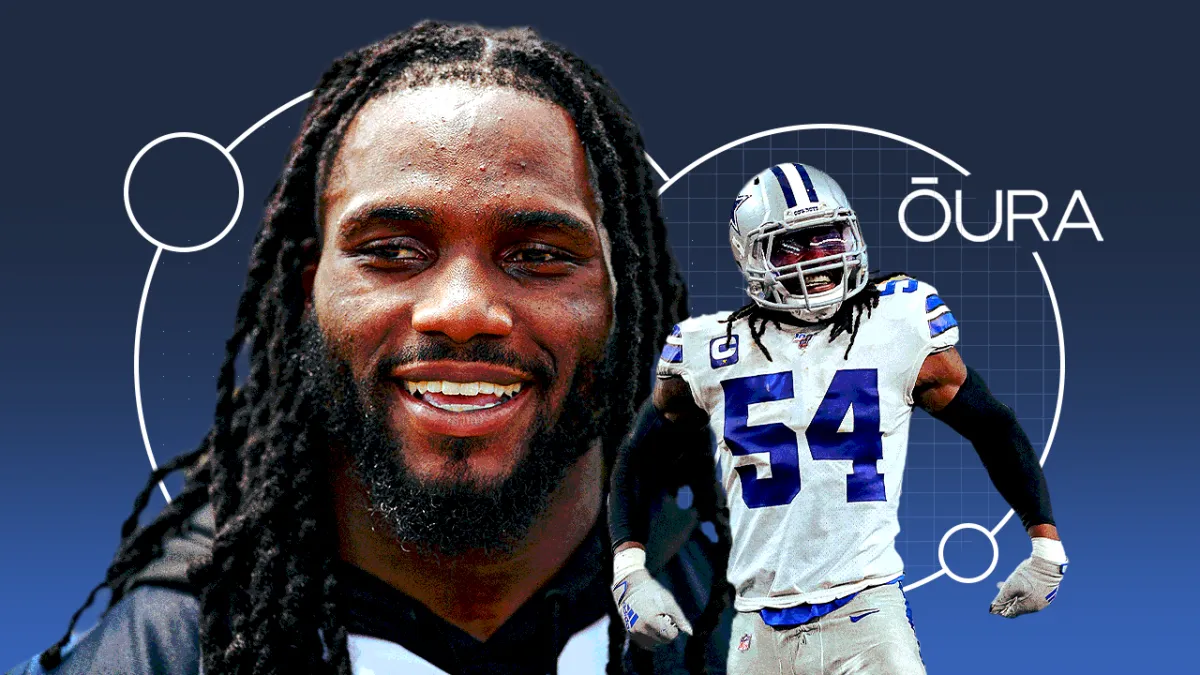
In 2021, Jaylon Smith was playing linebacker for the Dallas Cowboys and trying to figure out what smart athletes do with smart money. He landed on Oura. The health-tracking ring was still a relatively niche product — COVID had people paying closer attention to their bodies, biometrics were having a moment, and Smith put $100,000 into the company's Series C round. He just sold that stake for 10 times what he paid.
The timing worked out almost perfectly. Oura has since become one of the most culturally visible wearables on the market — worn by professional athletes, military personnel, and the kind of health-obsessed consumer who treats their sleep score the way previous generations tracked their step count. The company hit $1 billion in revenue in 2025, doubled from 2024, and closed a Series E round last fall that valued it at $11 billion. Smith sold within the past month.
For Smith, this isn't a fluke. It's a strategy. He's built a portfolio of 21 investments through Rise, a wealth management firm focused specifically on professional athletes. Two real estate exits have already produced 3x returns. He also holds a stake in EOS Worldwide, a professional services firm where he expects another 10x return. Beyond that, his portfolio includes ramen chain Jinya Ramen Bar, financial services firm Cycle Management Group, and CEV Collection, an eyewear brand he co-founded. He owns 65 acres in Sherman, Texas, positioned to benefit from a nearby Texas Instruments chip plant. His stated goal is to build a family office that's $250 million liquid.
The Oura story is worth paying attention to for reasons beyond the return. It's a reminder that the most interesting athlete-investor plays aren't always in sports tech or streetwear — sometimes they're in products that athletes actually use, that the rest of the market hasn't fully priced in yet. Smith says he still wears his Oura ring even after exiting the position. His mother, apparently, is a power user. That's as good a consumer signal as any.
Source: Sportico
Comments