
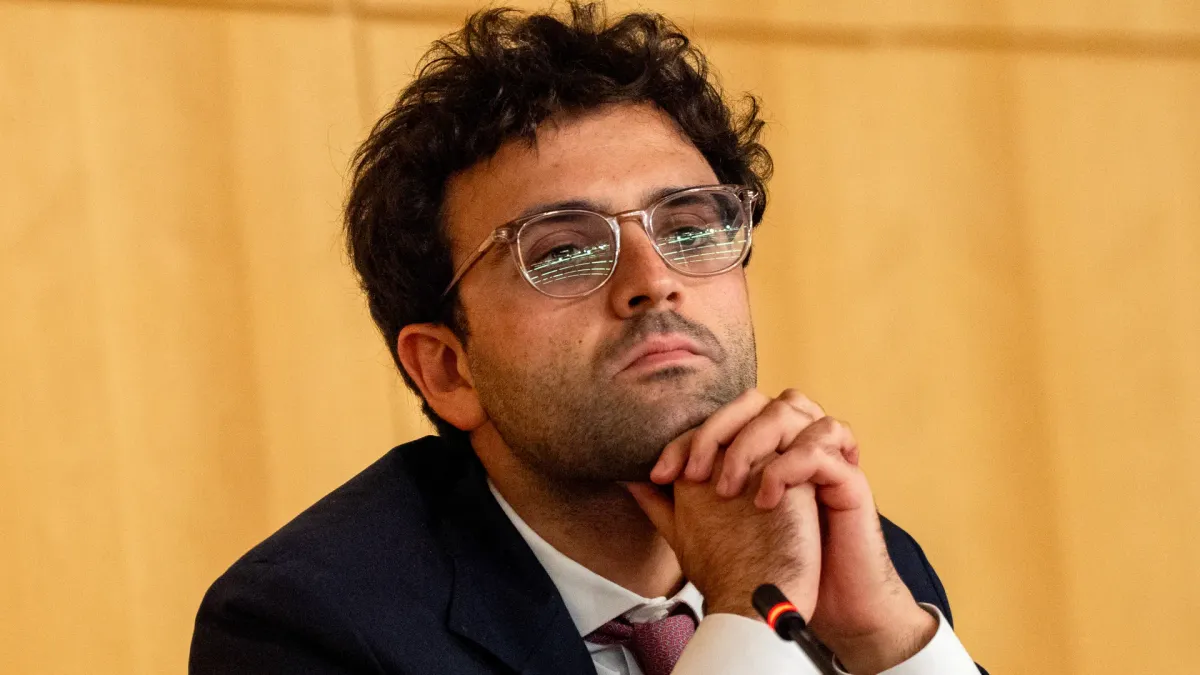
Kalshi CEO Tarek Mansour went on The Axios Show this week and said the quiet part out loud: traditional sportsbooks are structurally designed so that when you win consistently, they cut you off. Prediction markets, he argues, are built completely differently — and the distinction is worth understanding.
The Business Model Is the Point
Here's Mansour's core argument. When you bet on DraftKings or FanDuel, you're betting against the house. The sportsbook takes the other side of your wager and builds in a vigorish — a cut that ensures they profit regardless of outcomes over a large enough sample. This works great for the sportsbook when you lose. When you win consistently, you become a liability.
That's why sportsbooks block or limit sharp bettors. It's not petty — it's the business model. As Mansour put it: "When a customer wins on a traditional sportsbook, they block that customer because those winnings are coming from the business model." On the flip side, when customers lose, sportsbooks give them promotions to bring them back. The incentives are entirely oriented around extracting money from people who don't win.
How Prediction Markets Work Instead
Kalshi operates as a marketplace, not a house. When you place a bet on a prediction market, you're matched with another participant taking the opposite side. Kalshi takes a transaction fee — a cut of the contract, not the outcome. Whether you win or lose is irrelevant to Kalshi's revenue. That means they have no incentive to limit winners. A sharp bettor who wins constantly is just as profitable for Kalshi as a losing bettor, because both are generating transaction volume.
This isn't just a PR argument — it's a structural one. The business model determines the incentives, and the incentives determine who gets blocked and who doesn't.
Why This Is Coming Up Now
Kalshi and other prediction market platforms have spent years fighting regulators and incumbent sportsbooks for the right to offer sports-event prediction contracts. The CFTC has been a major battleground. DraftKings, FanDuel, and the traditional betting operators have pushed back hard, arguing that prediction markets are just gambling under a different name.
Mansour's media offensive is part of a broader strategy to shift the narrative — frame Kalshi as the consumer-friendly option, expose sportsbooks as rigged against their best customers, and make the regulatory argument that prediction markets deserve a place in the market. The audience for this argument isn't just the public — it's legislators and regulators watching the sports betting industry mature.
For bettors who've been limited or banned by the major apps after a winning streak, the argument isn't abstract. It lands.
Comments