
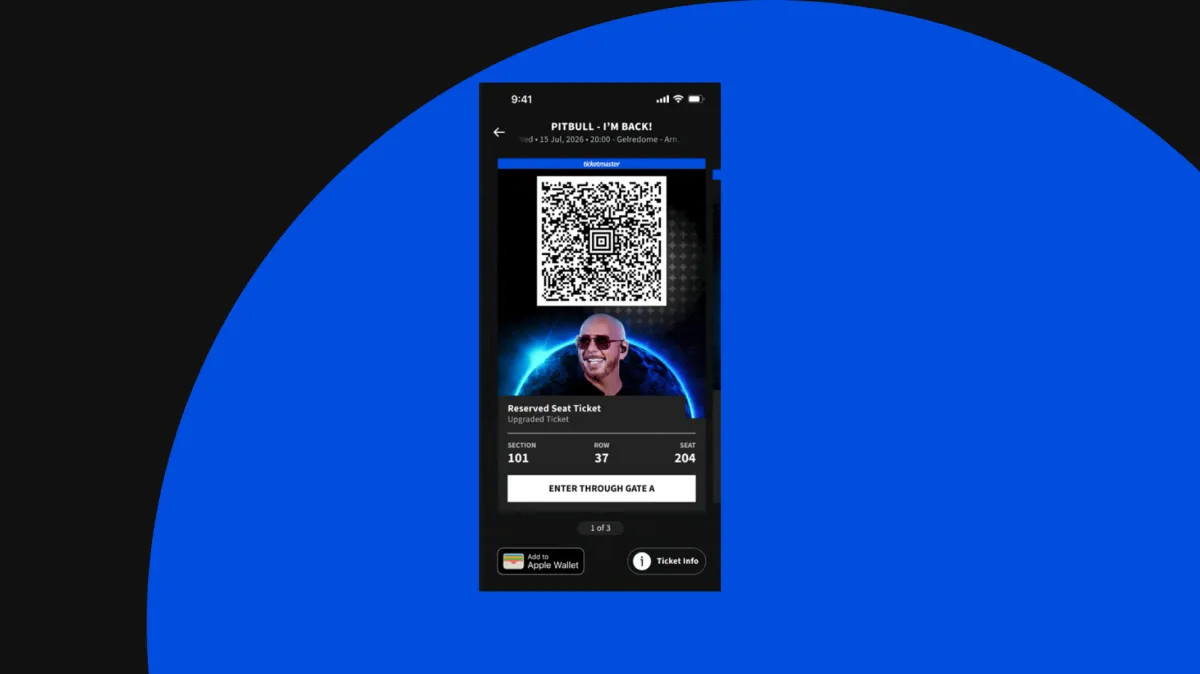
The most consequential music industry story in a decade — and possibly two — landed this morning in a New York City courtroom. One week into the federal antitrust trial that threatened to forcibly break up Live Nation and its Ticketmaster subsidiary, the two sides reached a surprise settlement with the Department of Justice. The breakup that artists, fans, and independent promoters had been anticipating for years won't happen.
What the Settlement Actually Does
Live Nation avoids the existential threat: Ticketmaster stays under their roof. The 2010 merger stands. But the behavioral and structural changes extracted in the settlement are significant enough that the live entertainment market — and the fan experience inside it — looks different going forward, at least in theory.
The headline terms: Ticketmaster must now allow competitors like SeatGeek and StubHub to list tickets directly through its platform, putting price comparisons in front of fans without requiring them to leave the Ticketmaster ecosystem. Exclusivity contracts between Ticketmaster and venues are now capped at four-year terms, with carveouts allowing venues to allocate inventory to third-party platforms. Service fees at Live Nation-owned amphitheaters are capped at 15 percent. Live Nation must divest at least 13 amphitheaters and open all company-owned venues to rival promoters. A fund of up to $280 million is being distributed to the 40 states that joined the suit as plaintiffs.
The trial itself — which opened last week with testimony that was expected to detail years of alleged anti-competitive conduct — came to a sudden halt when U.S. District Judge Arun Subramanian received an email Sunday night notifying the court that a settlement had been reached. He was not pleased about the timing.
What This Means for Music Fans
In the near term, fees should come down at major amphitheaters, and the theoretical existence of price competition across platforms is real. The DOJ official who briefed reporters Monday expressed confidence that the settlement would "substantially drive down prices." That's a strong claim about a historically stubborn market force.
The more meaningful long-term question is whether venue competition actually materializes. Live Nation's leverage has never been purely about Ticketmaster's technology — it's been about the integration of promotion, venue operation, and ticketing as a single vertical flywheel. Artists want access to Live Nation's amphitheater network. Venues want access to Live Nation's promotion relationships. That ecosystem dynamic doesn't disappear because Ticketmaster's exclusivity contracts are now capped at four years.
The settlement also creates an opening — an explicit, court-mandated opening — for SeatGeek, StubHub, and Eventbrite to gain structural footholds in a market that has locked them out for 16 years. Whether they can convert that opening into real market share depends entirely on product execution.
The Political Undercurrent
The context here matters. The lawsuit was filed under the Biden administration in 2024 and carried forward by the Trump DOJ, which itself had previously scrutinized Live Nation during the first Trump term. The settlement's emergence one week into trial, following the removal of aggressive antitrust chief Gail Slater earlier this year, and with Richard Grenell — a Trump ally — now sitting on Live Nation's board, has prompted immediate scrutiny from antitrust advocates and state attorneys general who see the deal as structurally inadequate.
A coalition of 26 states and the District of Columbia have rejected the settlement and plan to continue litigating on their own. Arizona AG Kris Mayes was direct: the settlement doesn't adequately remedy the harm to consumers, and the trial will continue next week for states that aren't signing on. The trial isn't over — it's bifurcated, and the outcome for non-signatory states remains open.
The Verdict on the Verdict
Is this structural reform or regulatory theater? Probably somewhere in the uncomfortable middle. The fee caps and venue divestiture are real concessions. The competitor access mandate, if enforced, is genuinely consequential. But the core architecture — one company controlling promotion, venues, and ticketing across the live entertainment industry — survived intact.
For artists and fans who've spent years watching service fees balloon and independent venues get squeezed, the settlement is less a win than a managed retreat. Live Nation gave up enough to avoid an existential outcome, and the DOJ got behavioral reform that it can describe as meaningful. Whether the concert experience actually gets better for the person buying a $12 service fee ticket on top of a $90 floor ticket is a question the market — and the remaining state litigation — will answer.
Comments