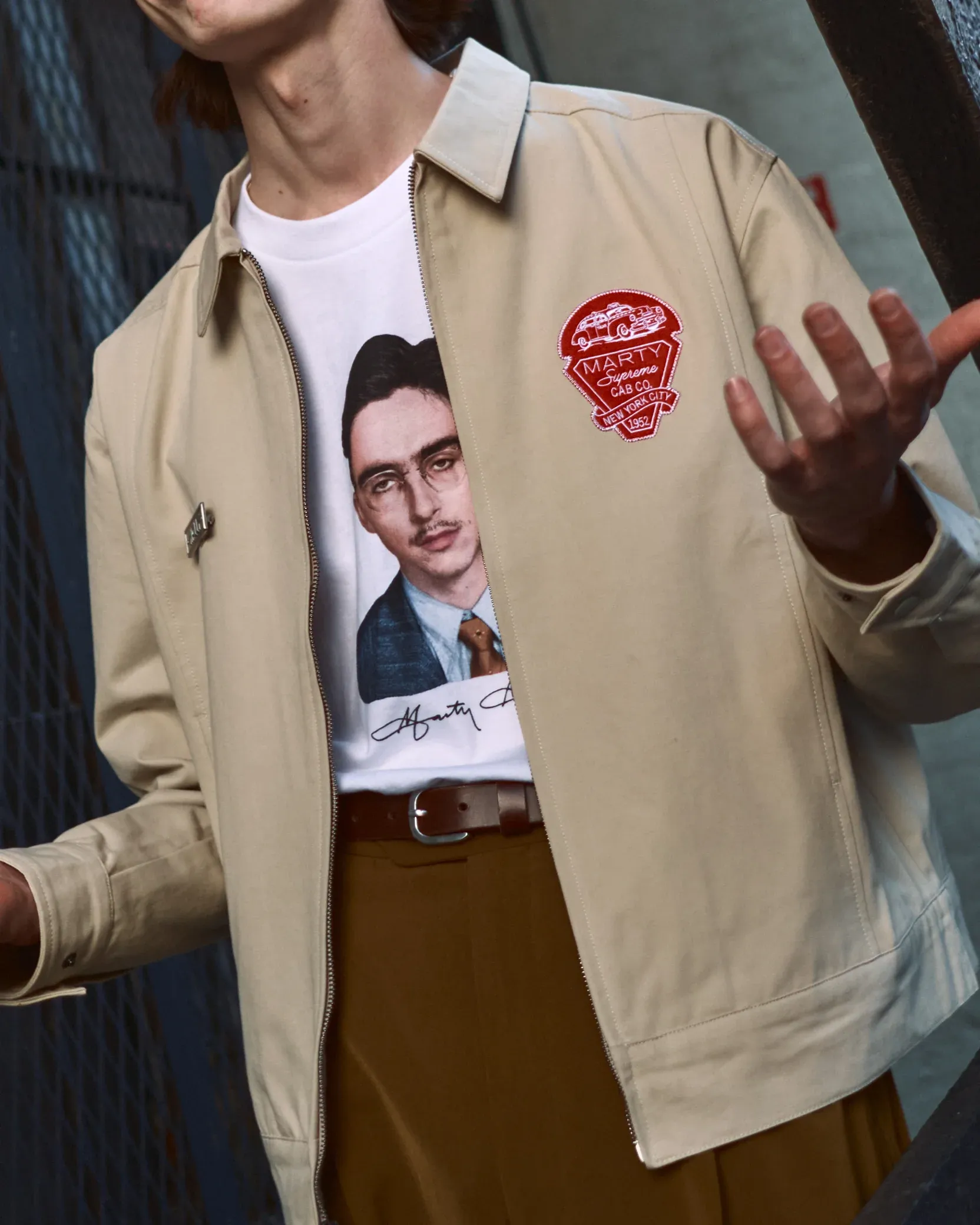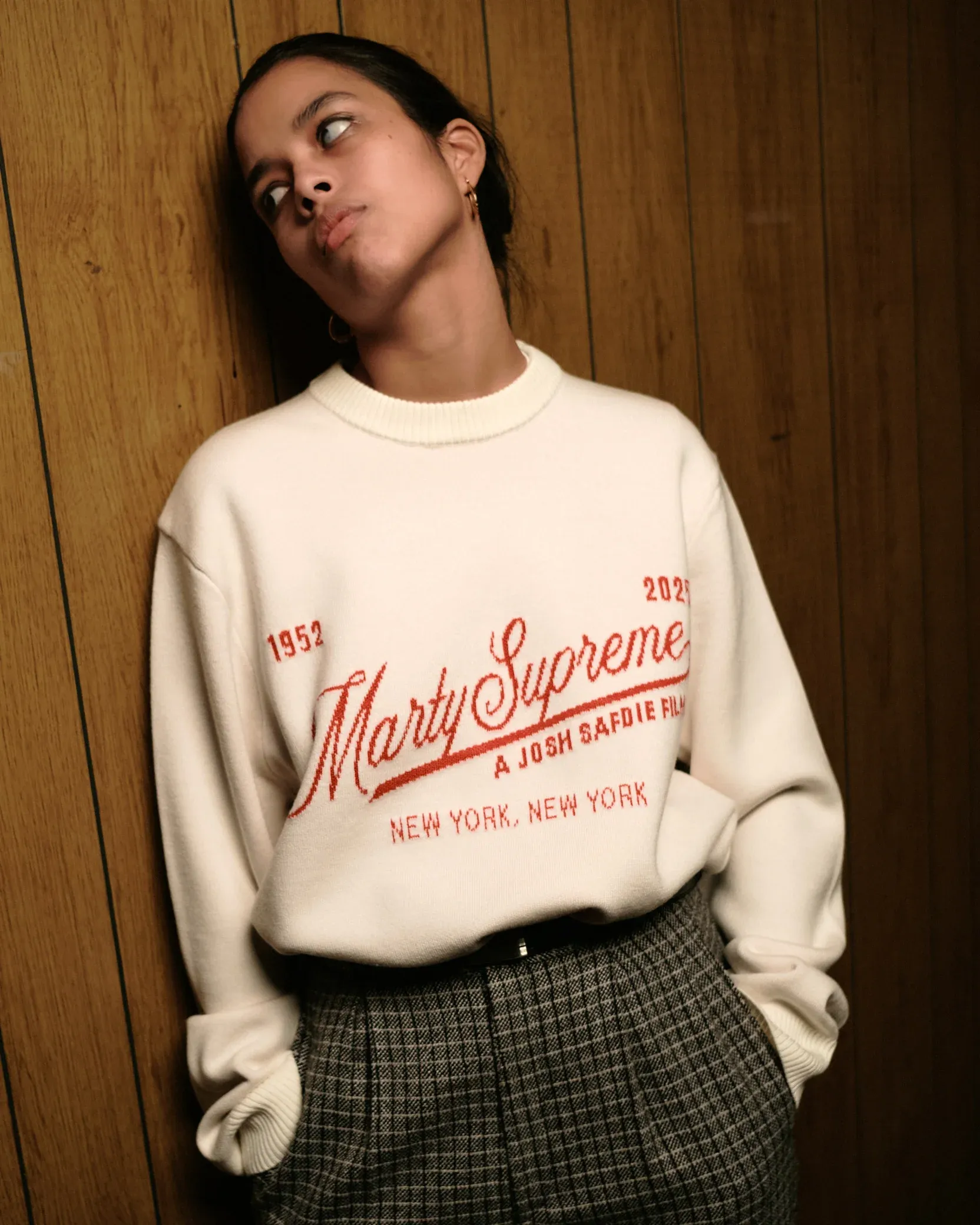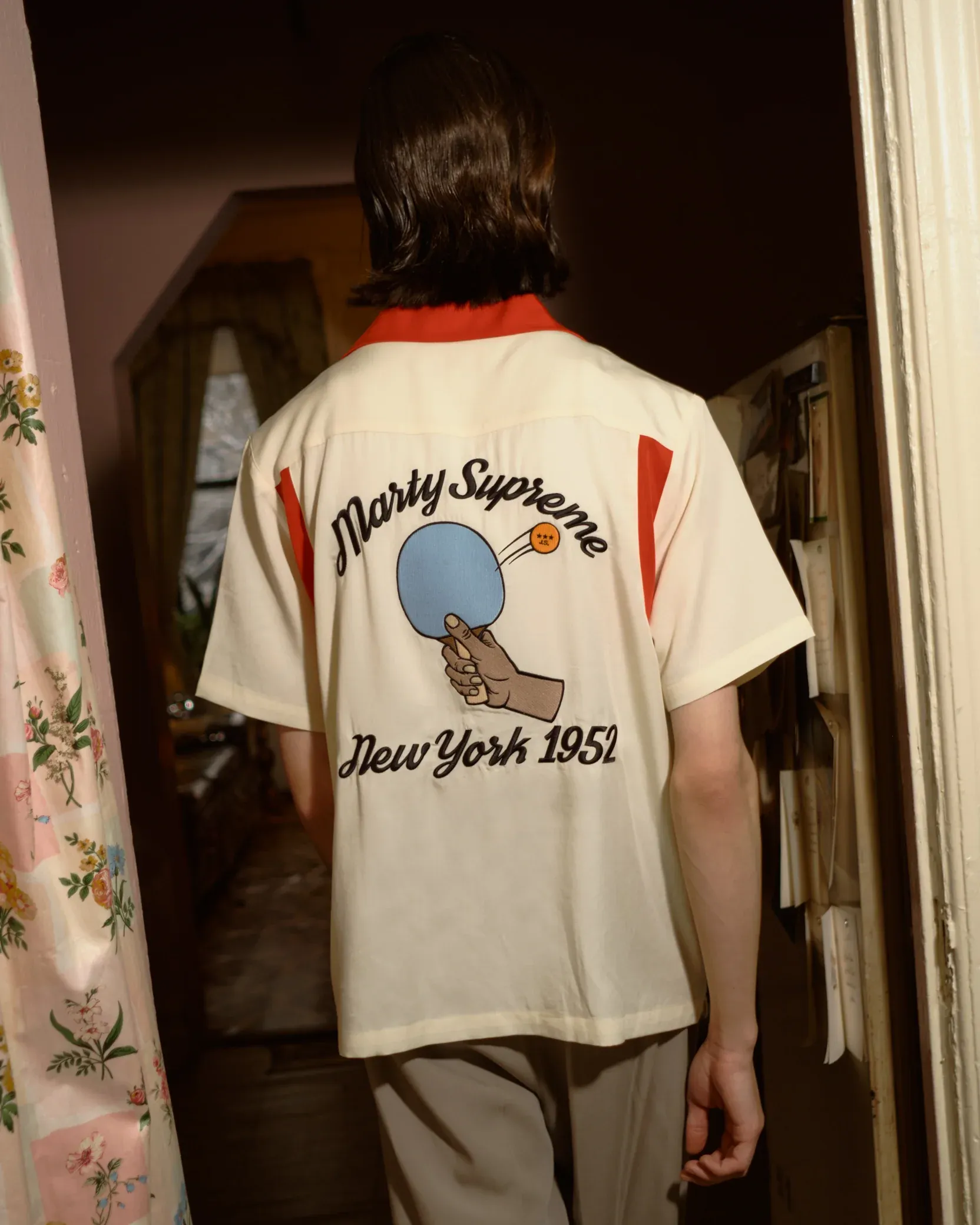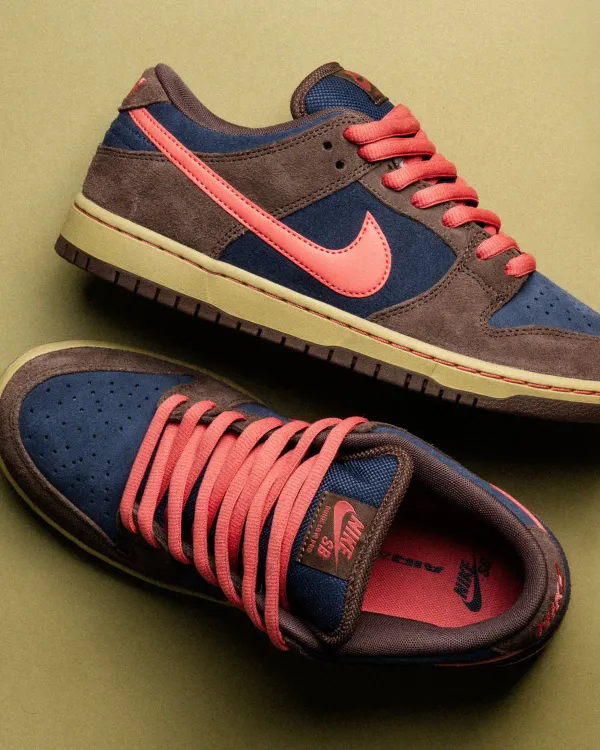
MARTY SUPREME (a collection by TYLER OKONMA)

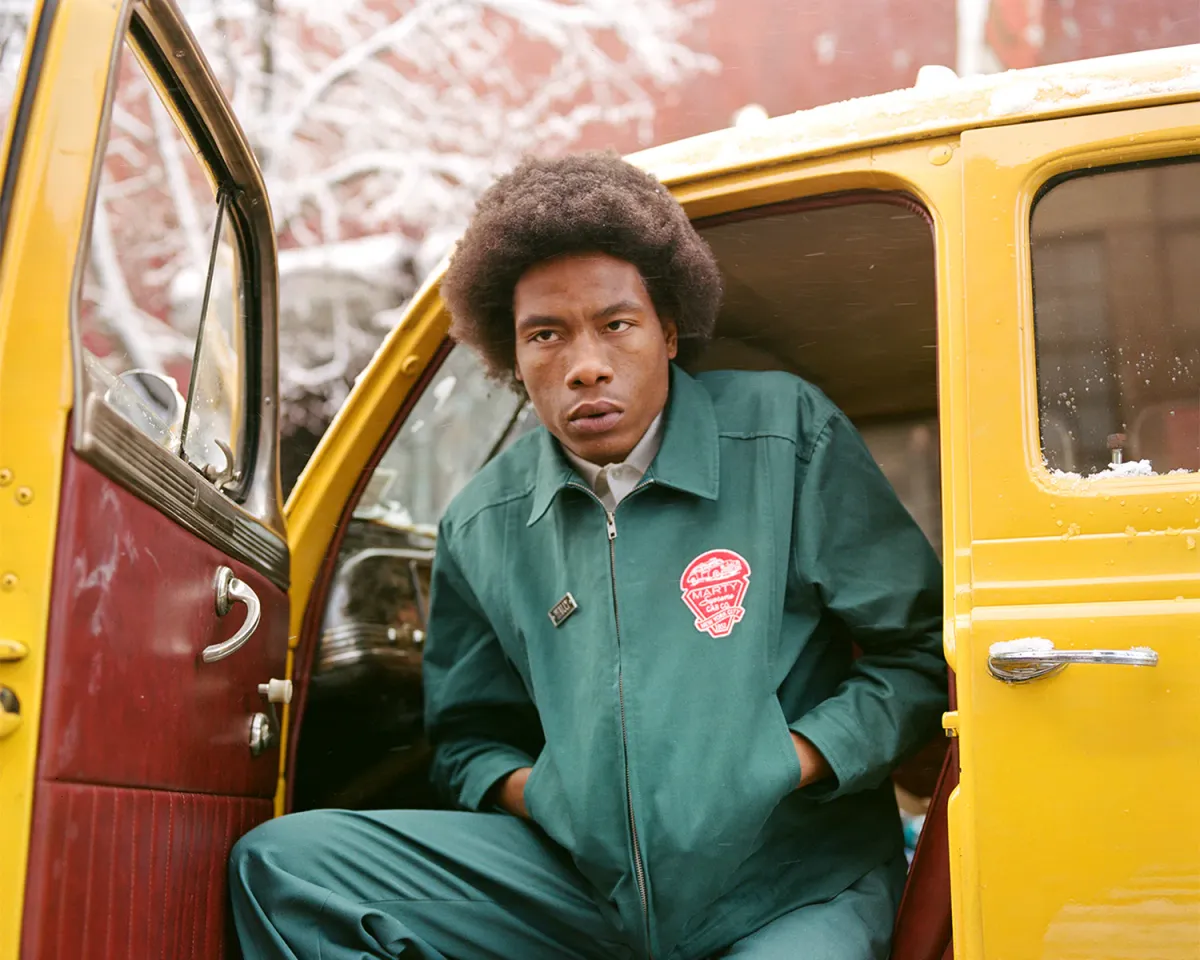
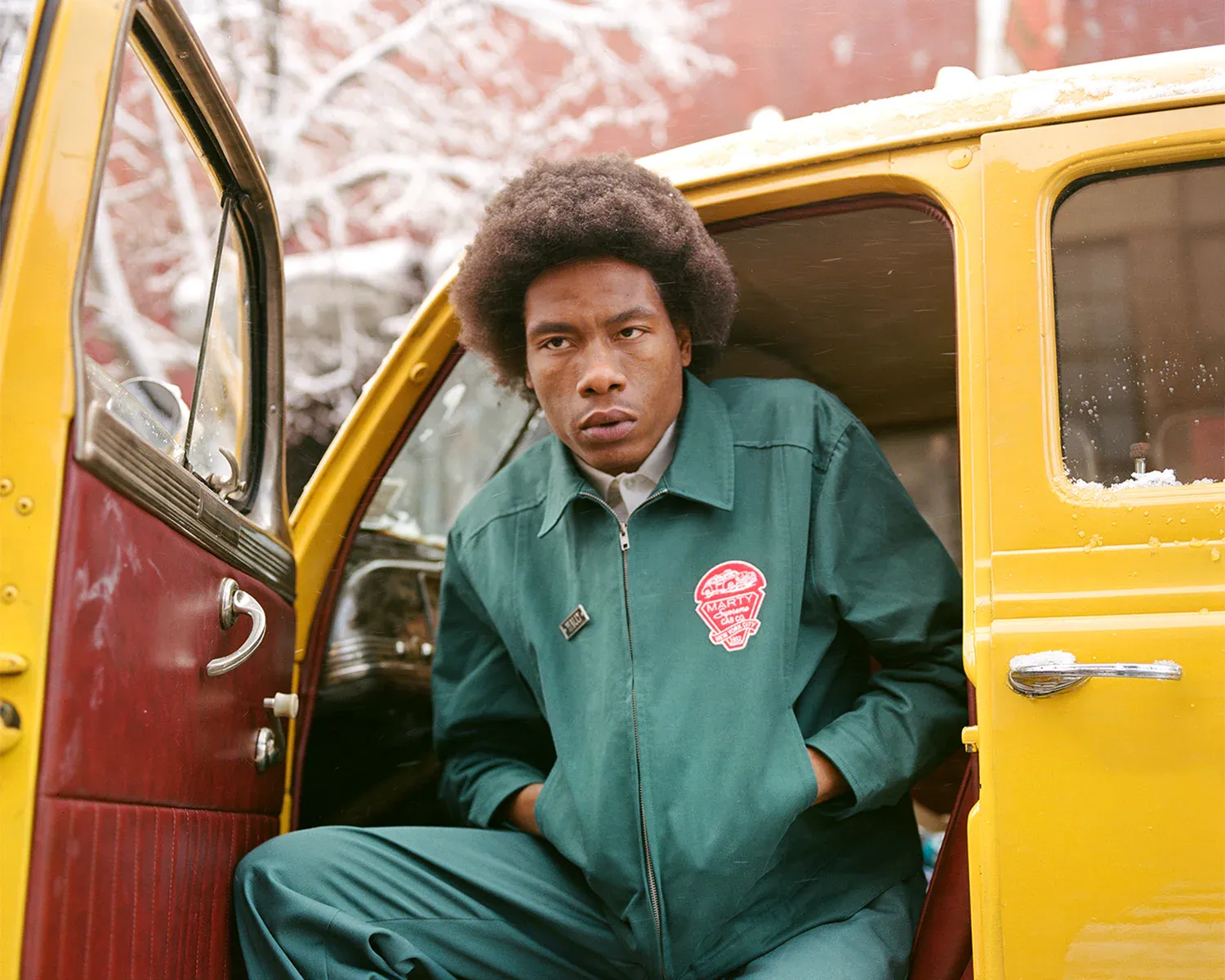
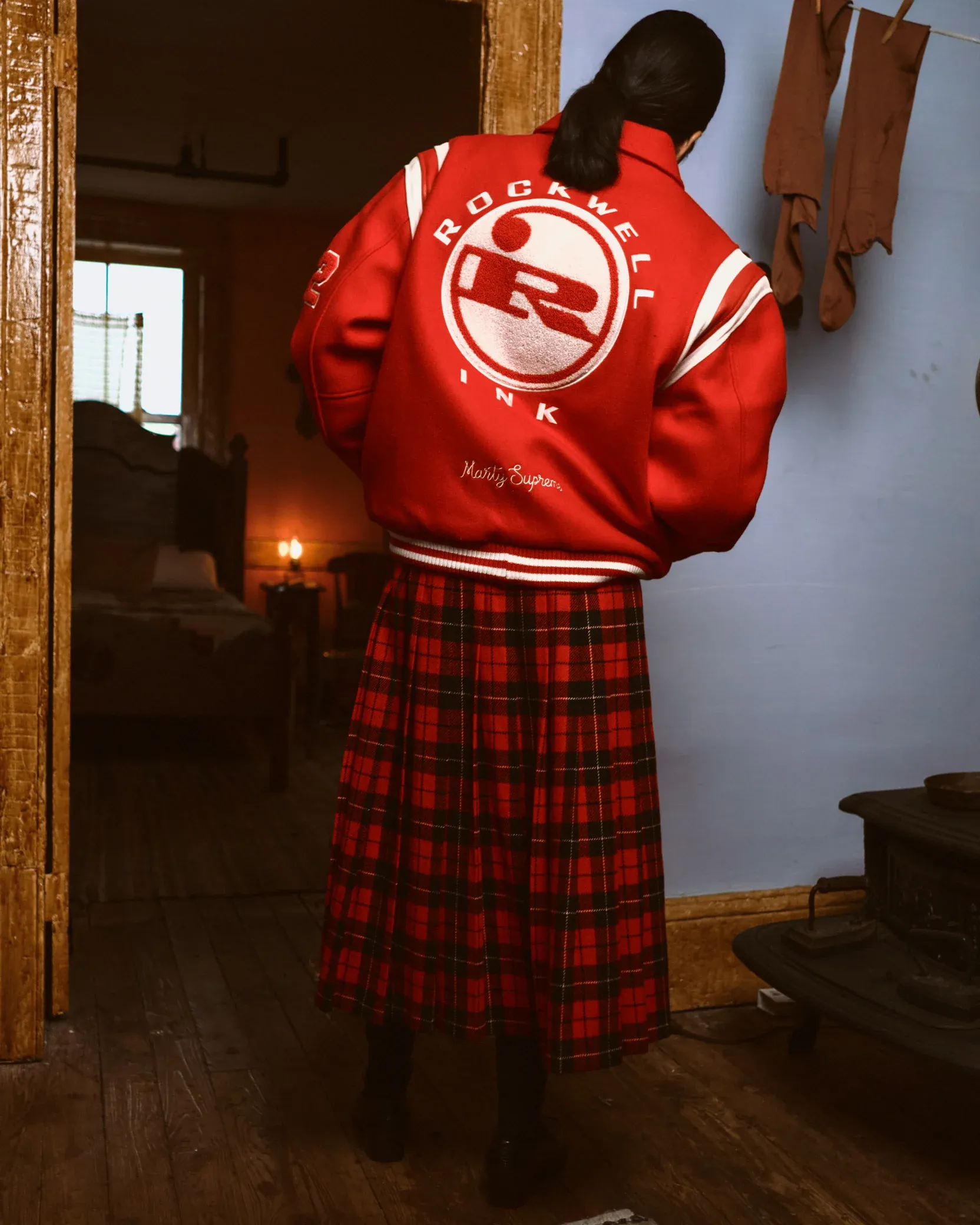
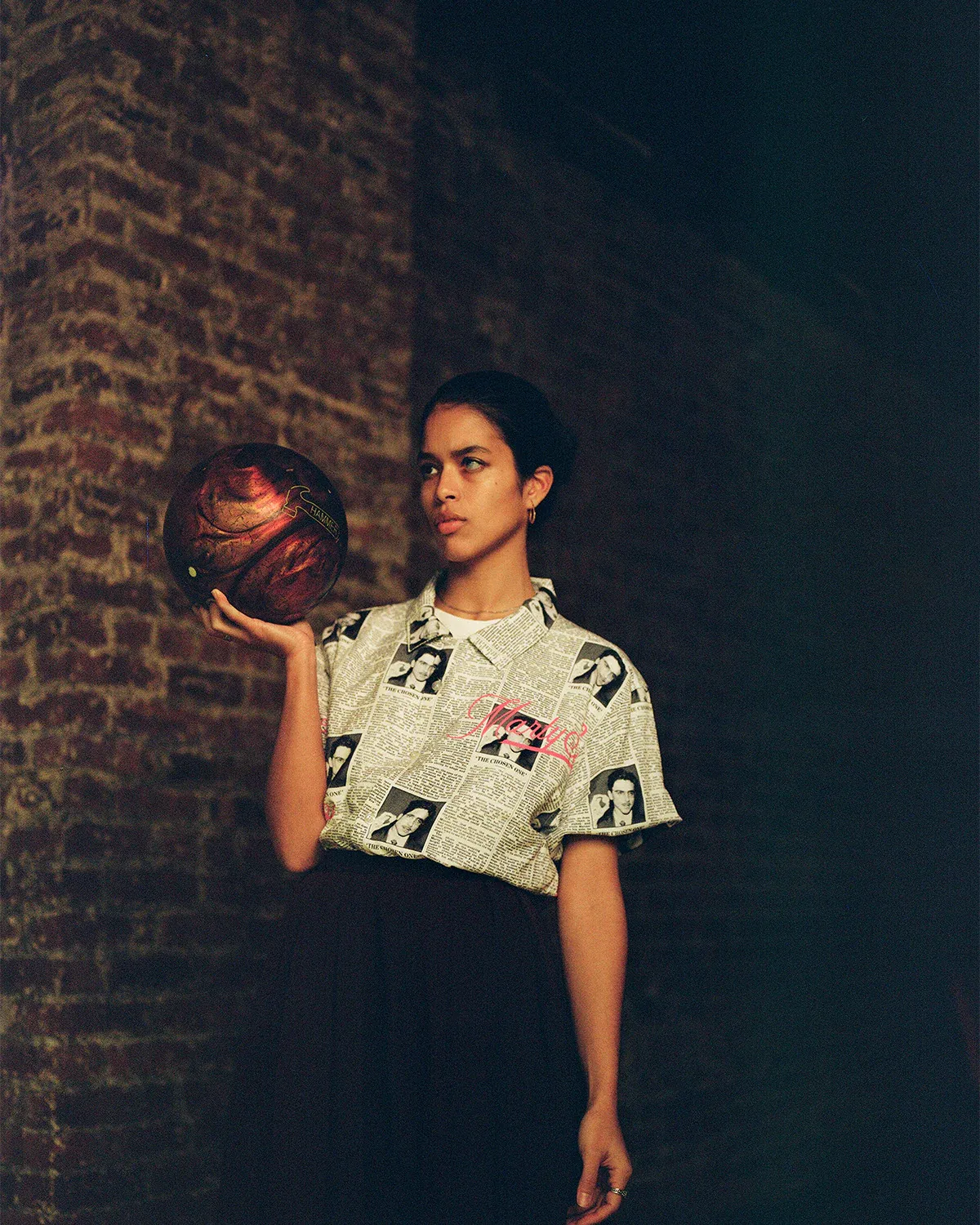
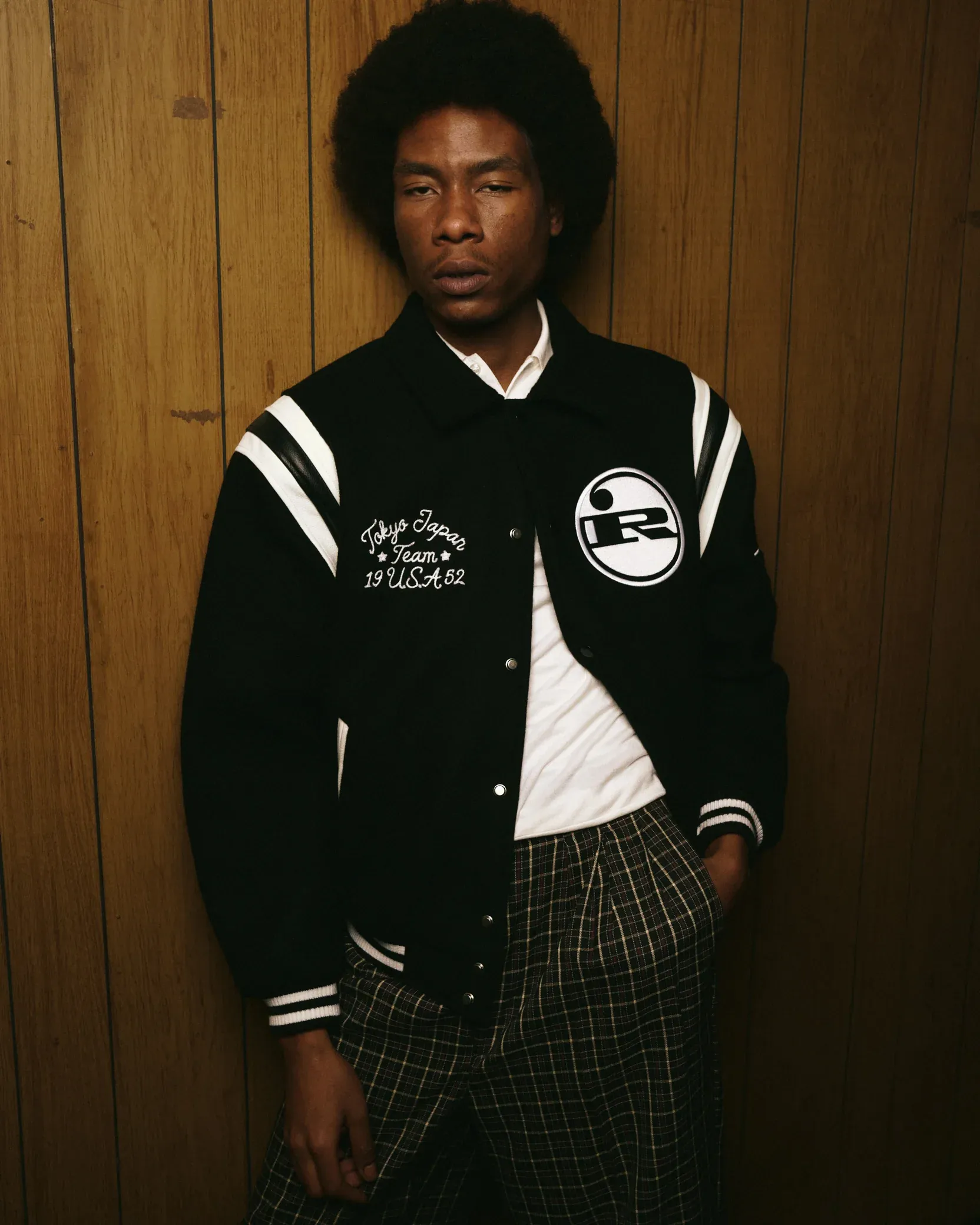
Tyler Okonma doesn't make career moves. He curates portfolios. While entertainment media frames "Marty Supreme" as Tyler, The Creator's "acting debut," what's actually happening feels closer to institutional expansion—the way Supreme moved from skate decks to brick-and-mortar, or how Virgil turned DJ sets into architectural residencies. Tyler's involvement in Josh Safdie's A24 period piece isn't Hollywood discovery. It's strategic positioning dressed as creative exploration. The film places Tyler as "Wally," a taxi driver and friend to Timothée Chalamet's ping-pong obsessed protagonist in 1950s New York. He plays piano and wears period-accurate costumes. He explicitly told Safdie he didn't want to read the script, trusting the director's vision completely. The performance matters less than the participation. A24 isn't Hollywood establishment; it's prestige-indie infrastructure. Josh Safdie isn't a commercial director; he's auteur-branded. The film's $60-70 million budget (A24's largest ever) signals ambition, but the casting strategy—Tyler alongside Gwyneth Paltrow, fashion designer Isaac Mizrahi, NBA legend George Gervin—suggests curation over convention.
Calling "Marty Supreme" a Tyler Okonma collection reframes what collections can be. Golf Wang is a clothing line. "CHROMAKOPIA" is an album. Camp Flog Gnaw is a festival. Le Fleur is a luxury lifestyle brand. "Marty Supreme" becomes another installment in Tyler's curatorial practice—the ongoing project of demonstrating that cultural authority doesn't require staying in designated lanes. The real collection here isn't clothing or music or film individually. It's the accumulated proof that Tyler Okonma can enter any cultural space—streetwear, luxury fashion, festival curation, Grammy-winning albums, A24 cinema—and immediately establish authority not through traditional apprenticeship but through demonstrated vision. Josh Safdie didn't cast Tyler because he needed star power. He cast him because Tyler's presence signals a certain kind of cultural ambition that aligns with A24's brand positioning and Safdie's auteur credibility. The film industry will likely position "Marty Supreme" as Tyler's Hollywood arrival. More accurate: cinema becomes the latest medium Tyler demonstrates he doesn't need permission to inhabit. The collection isn't what he wears on screen. It's the expanding portfolio of institutions that recognize participating in Tyler's vision offers more cultural cache than forcing him into theirs.