
Key Points
- Paraguayan senator Céleste Amarilla posted racist attacks on Kylian Mbappé after France's 1-0 win.
- Mbappé called her "a despicable woman and unworthy of your position" and named it "blatant racism."
- The French Football Federation called the remarks "criminal" and filed a prosecutor's complaint.
- Mbappé scored the winning penalty in France's Round-of-16 victory over Paraguay.
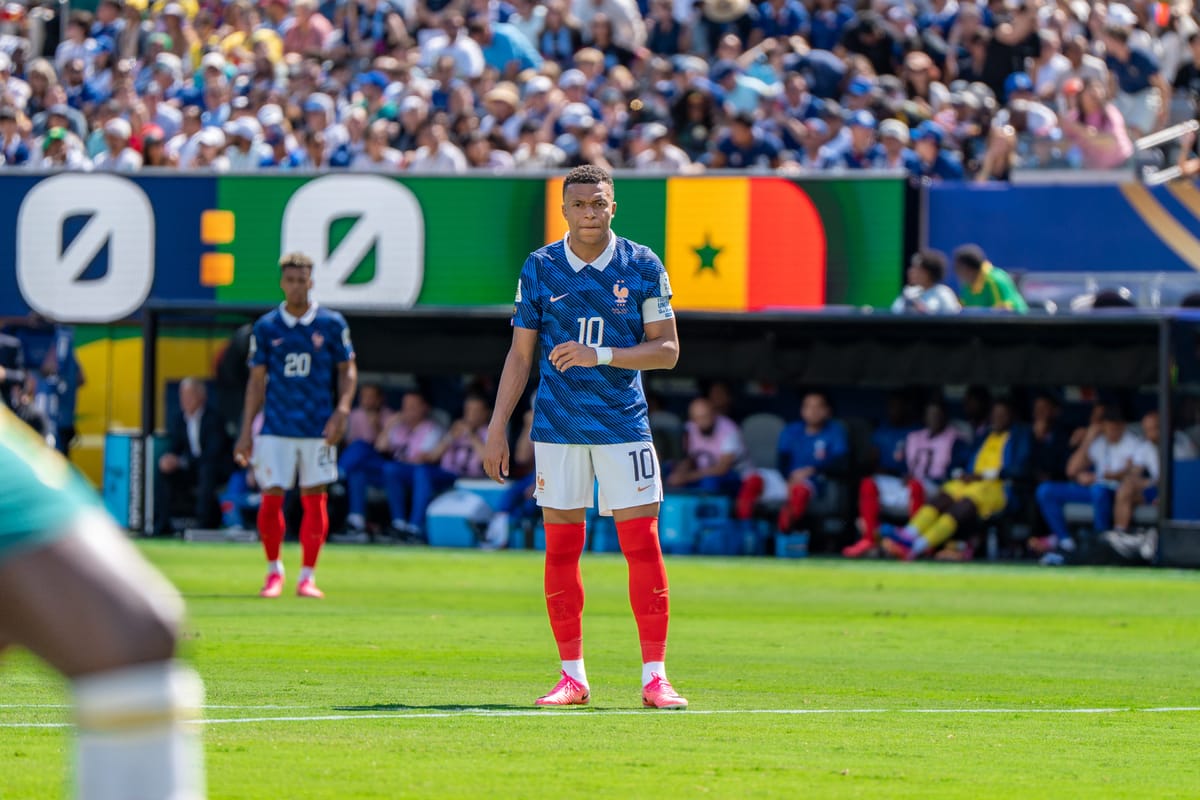
Kylian Mbappé has publicly condemned a Paraguayan senator for what he called "blatant racism," after the lawmaker posted a series of racist attacks on the France captain in the wake of France's 1-0 Round-of-16 win over Paraguay, which Mbappé settled from the penalty spot. The French Football Federation has since filed a legal complaint.
The posts came from Céleste Amarilla, a sitting member of Paraguay's Senate. In messages on X, she called Mbappé "a brute" who "hasn't even learned to write," wrote that "instead of mother's milk, he sucked on coconuts, and the most educated thing he heard were chimpanzees," and dismissed him as "a colonized Cameroonian pretending to be French." Mbappé, born in Bondy, France, is the son of a Cameroonian father and an Algerian mother — heritage the senator weaponized to question his nationality.
Mbappé answered her directly. "You are a despicable woman and unworthy of your position," he wrote, adding that she does not represent Paraguay and gives "the worst possible image of her country." He closed with a line aimed past the individual: "I will never allow people like her the freedom to spread their hatred and racism across the world."
The French Football Federation backed its captain in a statement, condemning the remarks as "criminal and reprehensible" and saying they "must be prosecuted." The federation announced it was "filing a report with the prosecutor's office for the purpose of judicial action" and extended "full support to its captain, its players, and more generally to all victims."
What separates this from the anonymous abuse that trails most matchdays is the source: not a burner account but an elected legislator, using colonial-era framing to tell one of the sport's biggest stars he is not really French. That is why the federation reached for the courts rather than a hashtag — when the racism comes from inside a state's own political class, a player statement is not the end of it, and Mbappé, the most valuable name in the game, has the standing to force the issue into a courtroom. FIFA has spent this World Cup policing abuse on the pitch — a new anti-concealment rule written after a Vinícius Júnior incident produced its first red card earlier in the tournament — but those measures reach players, not politicians.
Source: Yahoo Sports, GB News.



Comments