"P.O.V." by Clipse & Tyler, The Creator (Video)

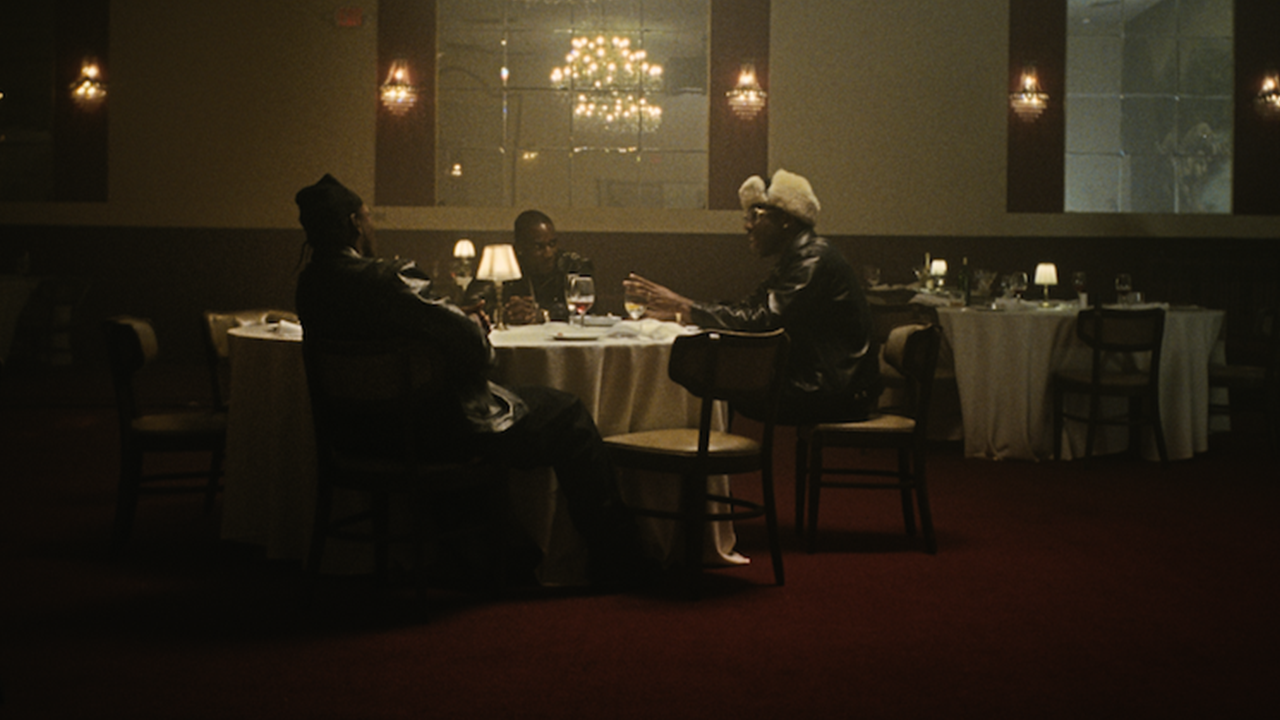
Cole Bennett delivers the visual for one of the most anticipated collaborations from Clipse's triumphant return, capturing the Virginia duo alongside Tyler, The Creator on a Pharrell-produced track that represents both legacy and contemporary excellence in hip-hop production.
The collaboration itself carries significant weight. Tyler recorded his verse between 79 and 100 times, nearly texting Pusha T to pull his feature entirely. "It's been a few times I've gotten nervous and trying to nail that verse with two of my Mount Rushmores, produced by Mount Rushmore, was like I can't fuck this up for me," he explained to Hot 97. The perfectionism makes sense—Pusha T has called Tyler the "number one Clipster," someone who can discuss Clipse albums by production era and lyrical period with encyclopedic knowledge.
"P.O.V." arrives as the fifth visual from Let God Sort Em Out, Clipse's first album in 16 years. The project debuted in the Top 5 on the Billboard 200 and earned multiple Grammy nominations including Album of the Year and Best Rap Album. The track joins an impressive roster of nominated songs from the album: "Chains And Whips" featuring Kendrick Lamar (Best Rap Performance), "The Birds Don't Sing" with John Legend (Best Rap Song), and "So Be It" (Best Music Video).
Lyrically, the track finds each artist in their element. Pusha T continues his ongoing shots at Jim Jones while critiquing rappers who don't take the craft seriously. Malice weaves in references to his spiritual journey. Tyler's verse, the product of months of anxiety and revision, includes the line "Little feature, niggas threaten to sue me? / Tell your lawyer to set the fee"—a bar that sparked immediate speculation before Tyler clarified it referenced an "old friend" he'd previously collaborated with, not Drake as many assumed.
Bennett's visual treatment amplifies the track's energy while letting the performances carry the narrative. For a song that represents multiple generations of hip-hop excellence connecting through Pharrell's executive production, the video serves as documentation of a moment where institutional knowledge and contemporary ambition meet without friction.