
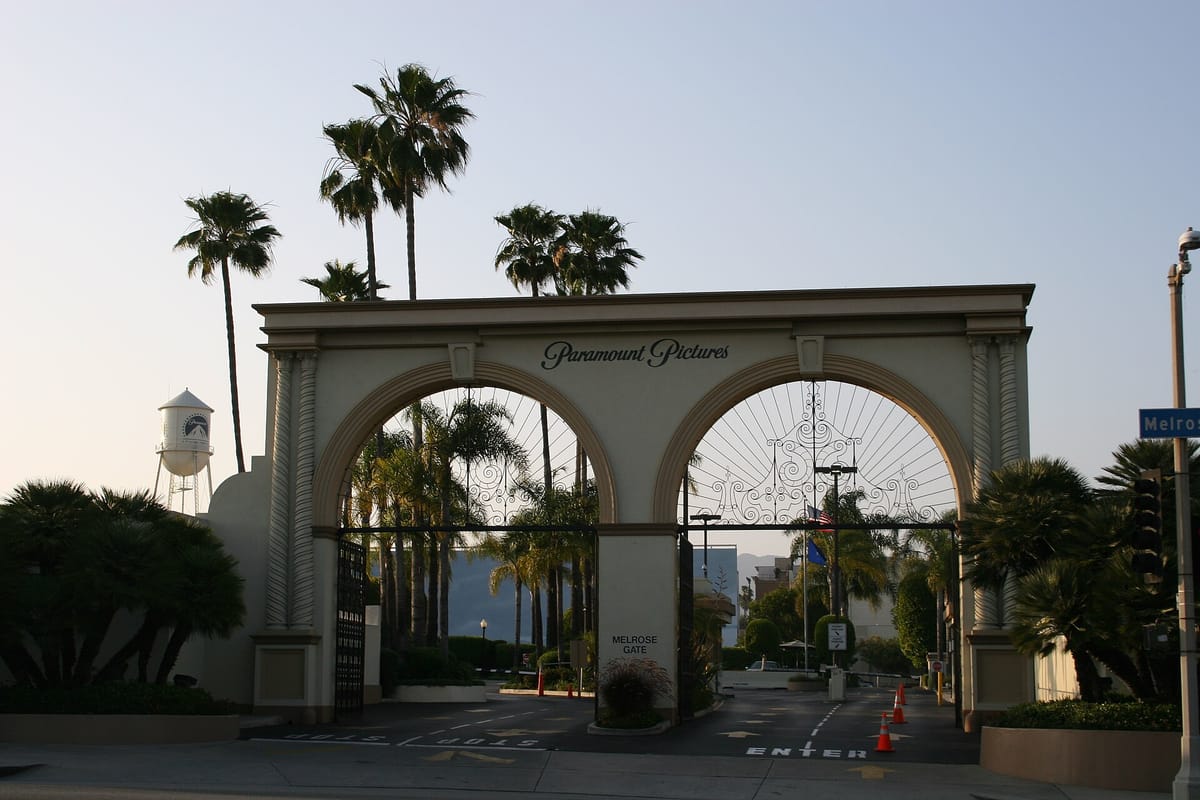
Paramount Skydance has settled the lawsuit a coalition of 12 state attorneys general filed to block its acquisition of Warner Bros. Discovery, California Attorney General Rob Bonta announced on Monday, Sept. 21. The settlement does not require Paramount to sell any business up front. Instead it binds the combined company to a five-year set of operating commitments on film output, U.S. production spending, cable carriage, free streaming and news independence, enforced through a court consent decree and an independent monitor.
California led the coalition, which also includes Arizona, Colorado, Connecticut, Massachusetts, Minnesota, Nevada, New Jersey, New Mexico, New York, Oregon and Washington. The California AG's office valued the deal at $110 billion when it sued in July.
What Paramount agreed to
The terms, as laid out in the attorney general's announcement and detailed by Variety:
- Film output. The merged company must release 30 films a year, including 20 wide releases, in its first two years, then 32 films a year, including 21 wide releases, in years three through five. At least four a year must be independent films. Each missed film carries a $30 million penalty paid to union health and retirement funds and a National Association of Attorneys General fund, and missing the quota also triggers a required sale of Miramax.
- U.S. production. Paramount must spend at least $1.5 billion more on domestic film production over five years than it did in 2025, about $300 million a year. Higher floors kick in if a federal film tax credit of at least 20% passes, and rise again if California or New York also expands its state credit.
- Studio lots. The company cannot sell or close the Paramount lot on Melrose Avenue in Los Angeles or the Warner Bros. lot in Burbank for five years.
- Workers and independents. A $47.5 million fund will support workers displaced by the merger, and a separate $25 million fund will back independent film.
- Cable. For five years, Paramount and Warner Bros. basic cable channels must be negotiated with distributors separately. A breach would force the sale of a list of networks including BET, VH1 and Comedy Central.
- Streaming and theaters. Pluto TV must remain free. Films get a 45-day theatrical window and cannot go to subscription streaming for 90 days.
- News. A News Editorial Independence Board of five veteran journalists, no more than two affiliated with the same political party, will be set up within 180 days of closing to protect editorial independence at CNN and CBS News, CNN reported.
Paramount will also cover the states' legal fees up to $40 million. The Writers Guild of America, which filed its own suit alongside the states, settled the same day. That agreement bars writer layoffs at CBS News Broadcast for five years and sends $17.5 million to the WGA health fund, CNN reported, citing the guild's statement.
How the case got here
The Justice Department cleared the merger in June. The states and the WGA sued in July, arguing the deal would cut film output and raise prices in wide-release films, tentpole films and basic cable distribution. A federal judge in San Francisco, Araceli Martínez-Olguín, issued a temporary restraining order and set a trial for March 2, 2027. In August, Iowa and Montana asked the Supreme Court to halt the suit.
What the two sides said
Bonta called the settlement "not a vote of support for this merger." At the Los Angeles press conference announcing it, he said, "I don't think these two companies should merge," The Hollywood Reporter reported. Asked on NPR whether the threat of Paramount moving out of California drove the timing, he said, "Not at all."
Paramount CEO David Ellison said the company's goal "has always been to build a stronger Hollywood — one with more stories told, greater choice for consumers and stronger competition," CNN reported. Keeping the headquarters in Los Angeles is not a term of the settlement, but Ellison said in a later statement that the merged company will be based there, Deadline reported.
Not every state was satisfied. Connecticut Attorney General William Tong said his state had wanted a full divestiture of CNN and CBS News and was "deeply disappointed," CNN reported.
What still has to happen
The settlement needs Judge Martínez-Olguín's approval. She has outstanding questions about it and set a hearing for Thursday, Sept. 24, Variety reported. She has not yet ruled on entering the consent decree or lifting the order that bars Paramount from closing. Warner Bros. Discovery CEO David Zaslav told staff the deal would close no later than early October, according to CNN.
Source: California Department of Justice, Variety




Comments