Pietro Beccari appointed LVMH Fashion CEO
LVMH promotes Pietro Beccari to lead both Louis Vuitton Fashion Group, consolidating oversight of the luxury conglomerate's fashion empire under one executive as Sidney Toledano steps down after three decades with Bernard Arnault.

The Consolidation of Power
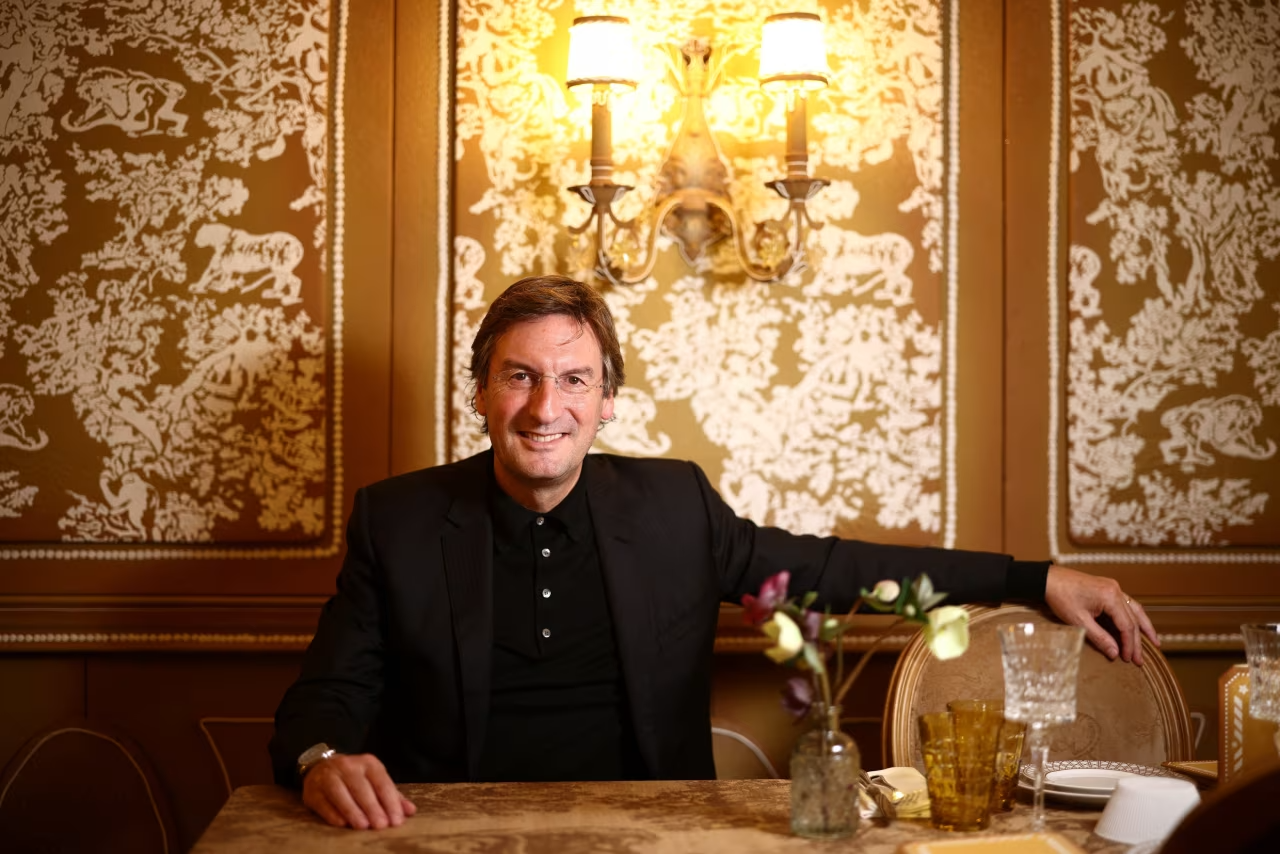
LVMH announced on Tuesday that Pietro Beccari will add CEO of the Fashion Group to his existing role as Chairman and CEO of Louis Vuitton, effective January 1st. The move consolidates oversight of the luxury conglomerate's smaller fashion brands—including Celine, Loewe, Fendi, Givenchy, and Marc Jacobs—under one of the industry's most proven executives, while Sidney Toledano steps down after more than three decades with Bernard Arnault.
The appointment represents a significant concentration of power within LVMH's fashion empire, with Beccari now controlling both the group's largest revenue generator and a portfolio of billion-euro brands that collectively drive much of the company's growth strategy.
The Beccari Formula
At 58, Beccari has become synonymous with luxury brand transformation within LVMH. His track record reads like a masterclass in modern luxury management: quadrupling Dior's sales to over €8 billion during his 2018-2023 tenure, doubling Fendi's revenue from €600 million to €1.2 billion between 2012-2018, and now steering Louis Vuitton through a challenging market environment since February 2023.
His approach combines strategic real estate investments with disciplined brand positioning. At Fendi, he moved the brand's headquarters to Rome's iconic Palazzo della Civilità while launching the "Fendi for Fountains" cultural restoration project. At Dior, he orchestrated the complete renovation of 30 Avenue Montaigne, creating a destination that welcomes 5,000 visitors daily through its combination of flagship store, restaurant, museum, and hotel suite.
Market Context and Timing
The appointment comes as LVMH's fashion division faces continued headwinds. Sales in the fashion and leather goods division fell 1% in 2024 and dropped 6% year-over-year in the first nine months of 2025. While Louis Vuitton has performed slightly above the group average, other brands within the Fashion Group have struggled more significantly with the industry-wide luxury slowdown.
Beccari inherits a portfolio undergoing major creative transitions. The Fashion Group is currently managing new designer appointments at Celine, Givenchy, and Loewe, while preparing to onboard former Dior designer Maria Grazia Chiuri as Fendi's new creative director. These creative changes, combined with economic uncertainty, present both opportunity and risk for the new leadership structure.
The Toledano Legacy
Sidney Toledano's departure marks the end of an era for LVMH. During his tenure leading the Fashion Group since 2018, revenues more than doubled while profits multiplied eight times, according to market sources. His success stemmed largely from bold recruitment choices—hiring Hedi Slimane for Celine, Sarah Burton for Givenchy, and Nigo for Kenzo—that revitalized brands and created billion-euro businesses.
Toledano's relationship with Arnault spans over 30 years, including an 18-year stint as Dior CEO from 1998-2017. His willingness to step back reflects both personal timing and confidence in Beccari's capabilities, though he remains as special advisor to Arnault. The transition represents LVMH's characteristic approach of promoting internal talent while maintaining institutional memory.
Strategic Implications
Beccari's dual role recreates a structure LVMH used decades ago, when Louis Vuitton CEO Yves Carcelle also oversaw smaller brands as Arnault's fashion deputy. However, today's context is dramatically different—the "smaller" brands now include billion-euro businesses like Celine and Loewe, while Fendi has been transferred from LVMH's main fashion division to the Fashion Group portfolio.
The consolidation raises questions about operational capacity and strategic focus. Managing Louis Vuitton's global operations while steering multiple billion-euro brands through creative transitions and market challenges represents an unprecedented scope of responsibility in luxury retail. LVMH is supporting Beccari by promoting Damien Bertrand, his trusted deputy from Dior and Loro Piana, to Louis Vuitton deputy CEO and the LVMH Executive Committee.
Cultural and Commercial Considerations
Beccari's approach emphasizes experiential retail and cultural positioning over pure product focus. His Vuitton initiatives include signing Pharrell Williams as men's creative director, reviving the Takashi Murakami collaboration with Zendaya, and developing flagship experiences in Shanghai, Seoul, and Beijing that combine brand history with exclusive collections.
This methodology—blending commerce with culture, heritage with innovation—will now extend across LVMH's Fashion Group portfolio. The approach has proven successful at individual brands but coordinating such strategies across multiple houses while maintaining their distinct identities presents new challenges.
Industry Ramifications
The appointment signals LVMH's confidence in centralized leadership during uncertain times. While competitors like Kering struggle with creative transitions and market positioning, LVMH is doubling down on proven internal talent rather than external recruitment. The move also demonstrates the company's long-term succession planning, with key executives like Delphine Arnault at Dior and now Beccari spanning multiple flagship brands.
For the luxury industry broadly, Beccari's expanded role represents a test of whether the transformational leadership that succeeds at individual brands can scale across portfolios. His success or failure will influence how other luxury conglomerates structure their fashion divisions and approach brand management during market volatility.
Looking Forward
Beccari's appointment coincides with early signs of luxury market recovery, with LVMH reporting improved third-quarter growth and analysts suggesting 2026 could mark a sector rebound. His challenge will be positioning the Fashion Group brands to capitalize on recovery while managing ongoing creative transitions and maintaining Louis Vuitton's market leadership.
The structure creates clear accountability for LVMH's fashion performance while leveraging Beccari's proven ability to navigate complex brand portfolios. Whether this concentrated approach proves sustainable remains to be seen, but it positions LVMH to move quickly when market conditions improve, with unified leadership capable of coordinating strategy across its most important fashion assets.