
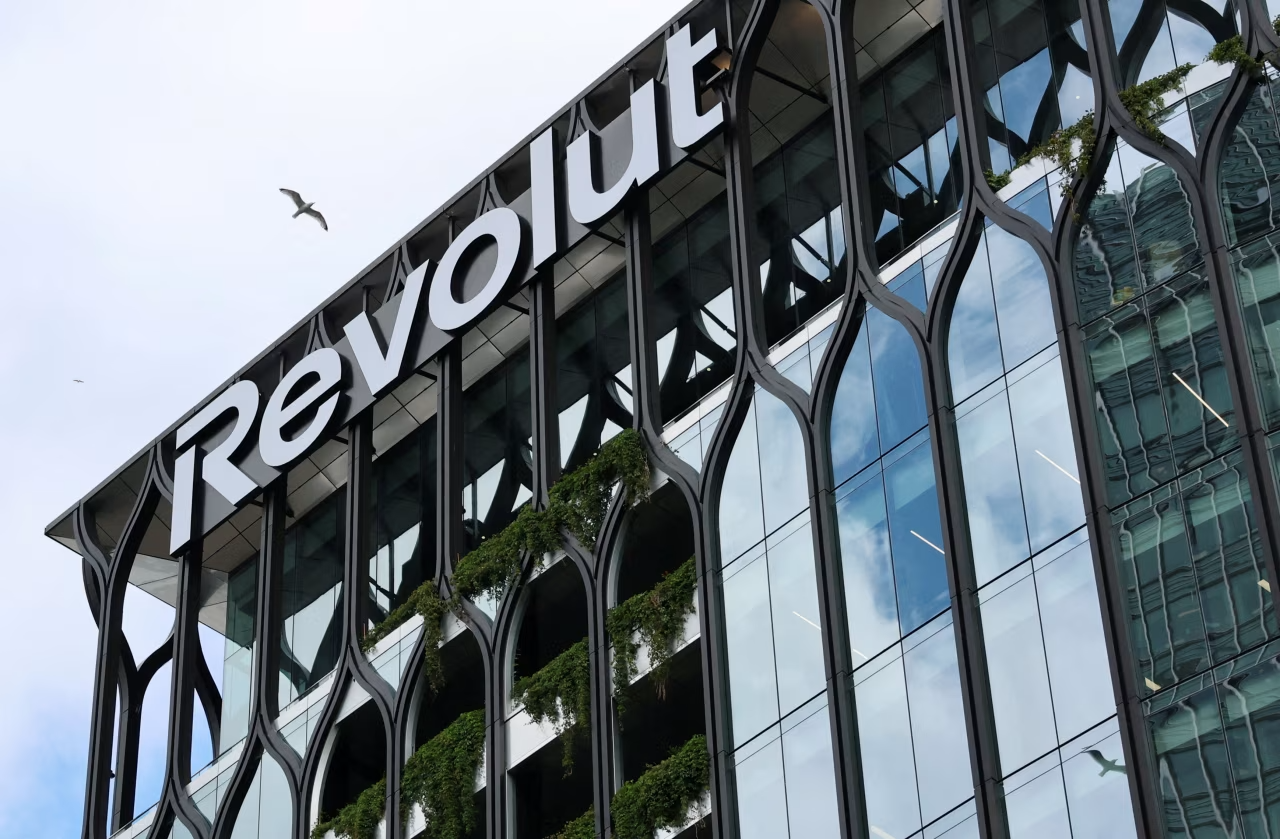
Revolut filed for a U.S. banking license on Thursday, applying to both the Office of the Comptroller of the Currency and the Federal Deposit Insurance Corporation to operate across all 50 states as Revolut Bank US, N.A. The company also named Cetin Duransoy — a former Visa and Capital One executive, and most recently the U.S. CEO of savings platform Raisin — to lead its American operations.
The move has been coming. Revolut previously filed for a U.S. bank charter in 2021, then withdrew the application in 2023 amid regulatory friction. This time, the timing feels different. CEO Nik Storonsky pointed to the Trump administration's more permissive posture toward new banking entrants as a factor, and Revolut's outgoing U.S. CEO Sid Jajodia — now elevated to Global Chief Banking Officer — acknowledged the shift directly, crediting the administration for "a very forward-thinking agenda" around banking and crypto. Kraken recently secured a Federal Reserve master account, signaling that regulators are increasingly willing to deal with digitally-native financial companies on their own terms.
If approved, the charter changes what Revolut can actually offer Americans. Right now, the company operates through a partnership with Lead Bank. A national charter would cut that dependency, give Revolut direct access to Fedwire and ACH payment rails, enable FDIC-insured deposits, and unlock personal loans and credit cards — revenue streams it currently can't touch in the U.S. market. Revolut has committed $500 million in investment toward the American market over the next three to five years, and it currently has over one million U.S. customers. The company's goal is 100 million global customers by mid-2027.
The context matters: Revolut is coming into this with real momentum. Its 2024 annual results showed revenue of $4 billion — up 72% year-over-year — and profit before tax of $1.4 billion, up 149%. It's now valued at $75 billion. In the UK alone, it has 10 million customers, making it the largest neobank in the country and accounting for about 12% of the digital banking market. Nearly 1 in 5 UK adults has a Revolut account. That's not a scrappy startup anymore — it's a company with the financial footing and the product infrastructure to compete seriously.
The U.S. is a much harder market. Regulatory approval could take years. But Revolut operates in 40 markets, serves 70 million customers, and has already demonstrated it can build a primary banking relationship — not just a travel card — in a sophisticated financial environment. If the license clears, the gap between what Revolut is in the UK and in the U.S. narrows significantly.


Comments