
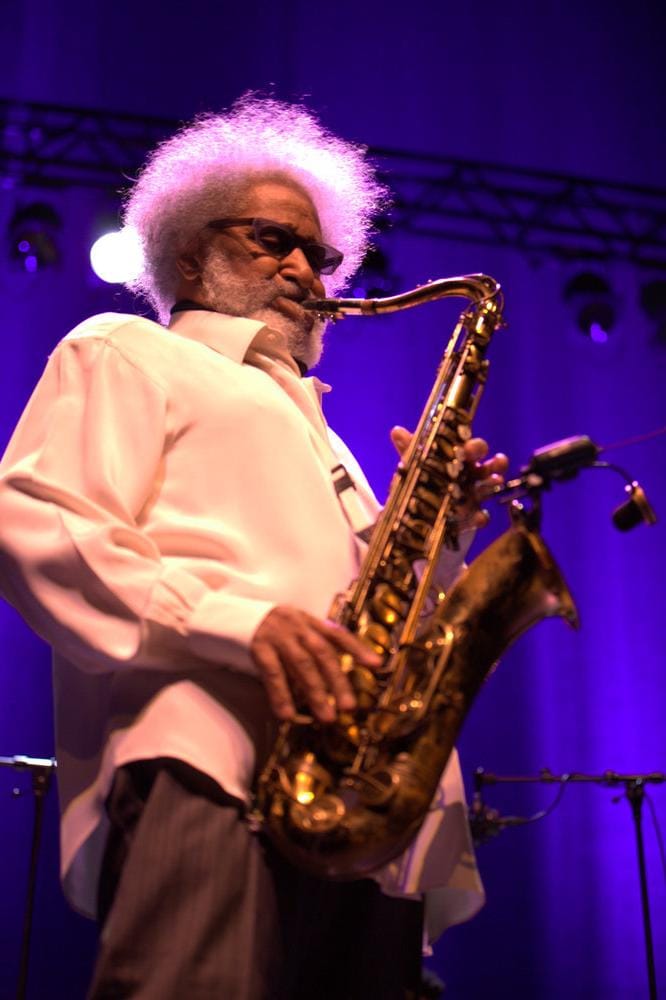
Sonny Rollins, the Harlem-born tenor saxophonist whose 1956 album "Saxophone Colossus" became the title and the verdict on a six-decade career, died Monday, May 25 at his home in Woodstock, New York. He was 95. No cause of death was reported. Rollins had been largely housebound over the past two years due to various physical problems, and had retired from public performance in 2012 after a series of pulmonary illnesses ended his touring career.
The Career
Born September 7, 1930 in Manhattan and raised on Sugar Hill in Harlem — the same blocks that produced Thelonious Monk and Duke Ellington — Rollins came up as a prized sideman to bebop's founding generation. He recorded with Miles Davis, Max Roach, Clifford Brown, and Bud Powell before he was 25, then jumped to leader for "Saxophone Colossus" in 1956 and never went back. "Way Out West" (1957), "A Night at the Village Vanguard" (1957), "Freedom Suite" (1958), and "The Bridge" (1962) — his return record after a famous three-year sabbatical playing alone on the Williamsburg Bridge — became the documents the next sixty years of tenor saxophone played against.
The Sabbatical
The Williamsburg Bridge years are the single most-told story in Rollins's life and the most-cited example in jazz history of an artist walking away at his peak. From 1959 to 1961 he stopped recording and performing entirely. He practiced alone on the bridge's pedestrian walkway for hours a day because he could not stand to be in the apartment near his sleeping neighbors. He came back with a new band, a new tone, and "The Bridge" — the title of which was his quietest acknowledgment of where the woodshedding had happened. The sabbatical reframed what it meant to be at the top in jazz: the music's premise was that the work itself was unfinished, and a musician was allowed to leave the marketplace until it was.
The Honors
Rollins received the National Medal of Arts (in 2010), a Kennedy Center honor (in 2011), and a National Endowment for the Arts Jazz Masters fellowship — the three highest American honors a jazz musician can hold. He won the Polar Music Prize in 2007 and a lifetime achievement Grammy in 2004. He is the last of the bebop-into-modern-jazz generation that included Coltrane, Monk, Davis, and Rollins himself as the four leading tenor and small-group voices. Two days after Rob Base's death brought hip-hop's golden-era catalog into mourning, the death of Rollins removes the last living anchor of jazz's mid-century pivot toward improvisation as primary form. The Harlem he came up in does not have another player who held that role.
Source: NPR · Washington Post · Variety


Comments