The Point God's Unceremonious Exit: How the Clippers Botched Chris Paul's Farewell Tour
Chris Paul's abrupt dismissal from the Clippers reveals more about organizational dysfunction than individual decline. The Point God deserved better than a 2 AM exit from a franchise where he achieved his greatest success.

In the early morning hours of Wednesday, as the LA Clippers sat in Atlanta hotels preparing for another game in what's become a season-long disaster, Chris Paul received news that would end his storied reunion with the franchise in the most anticlimactic way possible. After a meeting that stretched until 2 AM, the Point God learned he was being sent home - not for rest, not for injury management, but because his comeback story had become too uncomfortable for everyone involved.
A 40-year-old future Hall of Famer, in what he's announced will be his final season, gets the midnight boot from a team sitting at 5-16 and desperately grasping for answers. It's the kind of move that reveals more about organizational dysfunction than individual failure, yet Paul becomes the face of another franchise's inability to manage expectations and relationships.
Paul's statistical decline this season has been steep and undeniable. After starting all 82 games for San Antonio last year, he's averaging career lows across the board—2.9 points, 3.3 assists, shooting 32% from the field. Out of 296 players with at least 200 minutes this season, he ranks 279th in player efficiency rating. These aren't the numbers of a player who can contribute meaningfully to a contending team, even in a reduced role.
But context matters in ways that box scores can't capture. The Clippers made it clear when they signed Paul that he'd play a reserve role with nights out of the rotation entirely. He accepted those terms, hoping to end his career where he'd achieved his greatest team success. Instead, he found himself in a toxic environment where communication had broken down so completely that he hadn't spoken to coach Ty Lue for weeks.
The breakdown wasn't just about basketball. Paul reportedly requested a meeting with Lue to address rumors that he'd become a "negative presence" in the locker room.
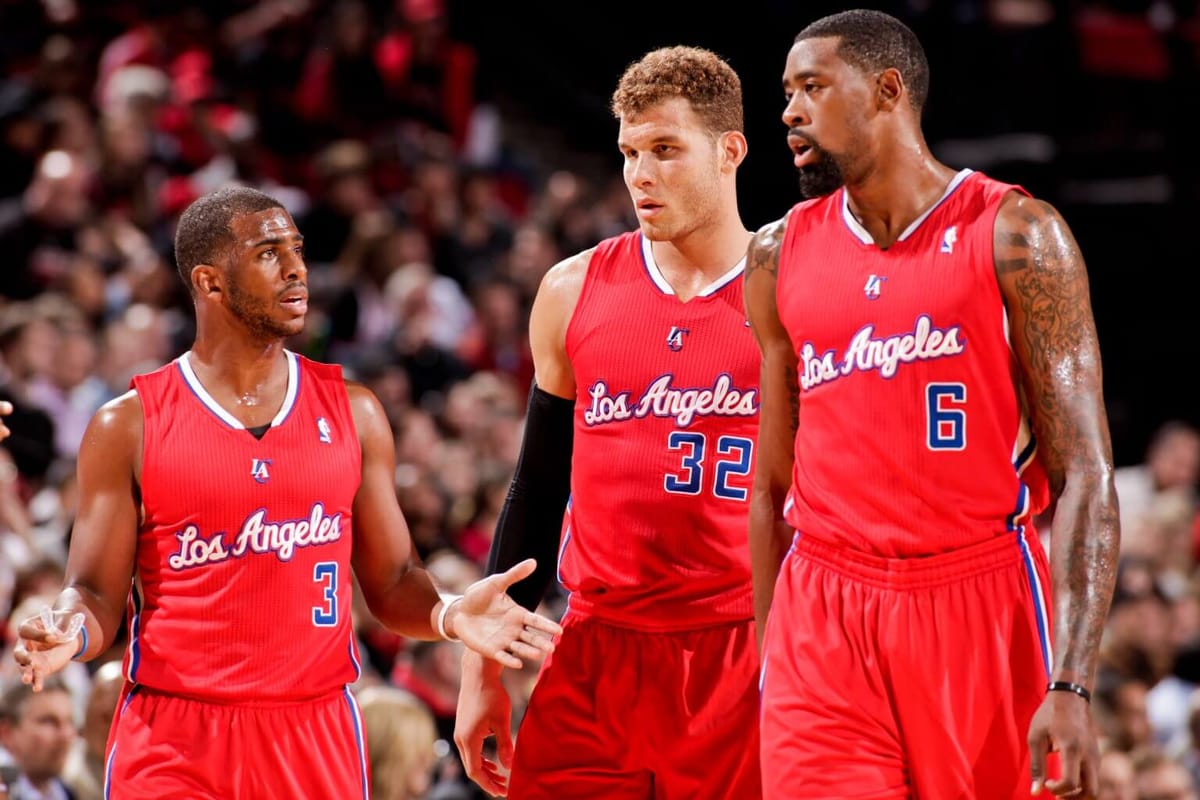
This isn't the first time the Clippers have fumbled the exit of a franchise cornerstone. Blake Griffin received similar treatment in 2018, traded to Detroit just months after signing an extension that was supposed to signal mutual commitment.
Team president Lawrence Frank's statement tried to strike a diplomatic tone, emphasizing that Paul wasn't being blamed for the team's failures while accepting responsibility for the record. But actions speak louder than carefully crafted PR statements. Sending a legend home at 2 AM during a road trip sends a message about how this organization values legacy and relationships.
The Clippers' decision to load up on aging veterans this offseason—a strategy Frank acknowledged went against current NBA trends toward younger, faster players—has backfired spectacularly. They're paying the price for trying to outsmart the market while forgetting basic principles of team chemistry and realistic role definition.
What's Next for the Point God
Paul's options are limited but not nonexistent. The Clippers can't trade him until December 15th, but they could negotiate a buyout that allows him to sign elsewhere. Teams like Phoenix or Houston—where he's had recent success—might offer situations better suited to his current capabilities.
Retirement remains a possibility, though Paul has indicated he wants to play through the 2025-26 season. The question becomes whether any organization can provide the structure and respect that this situation has lacked. At this stage of his career, Paul needs more than just minutes—he needs a role that acknowledges both his limitations and his enduring basketball intelligence.
The most likely scenario involves Paul finding a contending team that values veteran leadership and can use his skills in specific situations. But the damage to his legacy's final chapter has already been done, not by his performance but by the circumstances surrounding his departure.
The Point God's reunion with the Clippers was supposed to be a celebration. Instead, it became a reminder that in the NBA, loyalty and legacy are always secondary to wins and losses, regardless of how those losses accumulate or who gets blamed when everything falls apart.