
Key Points
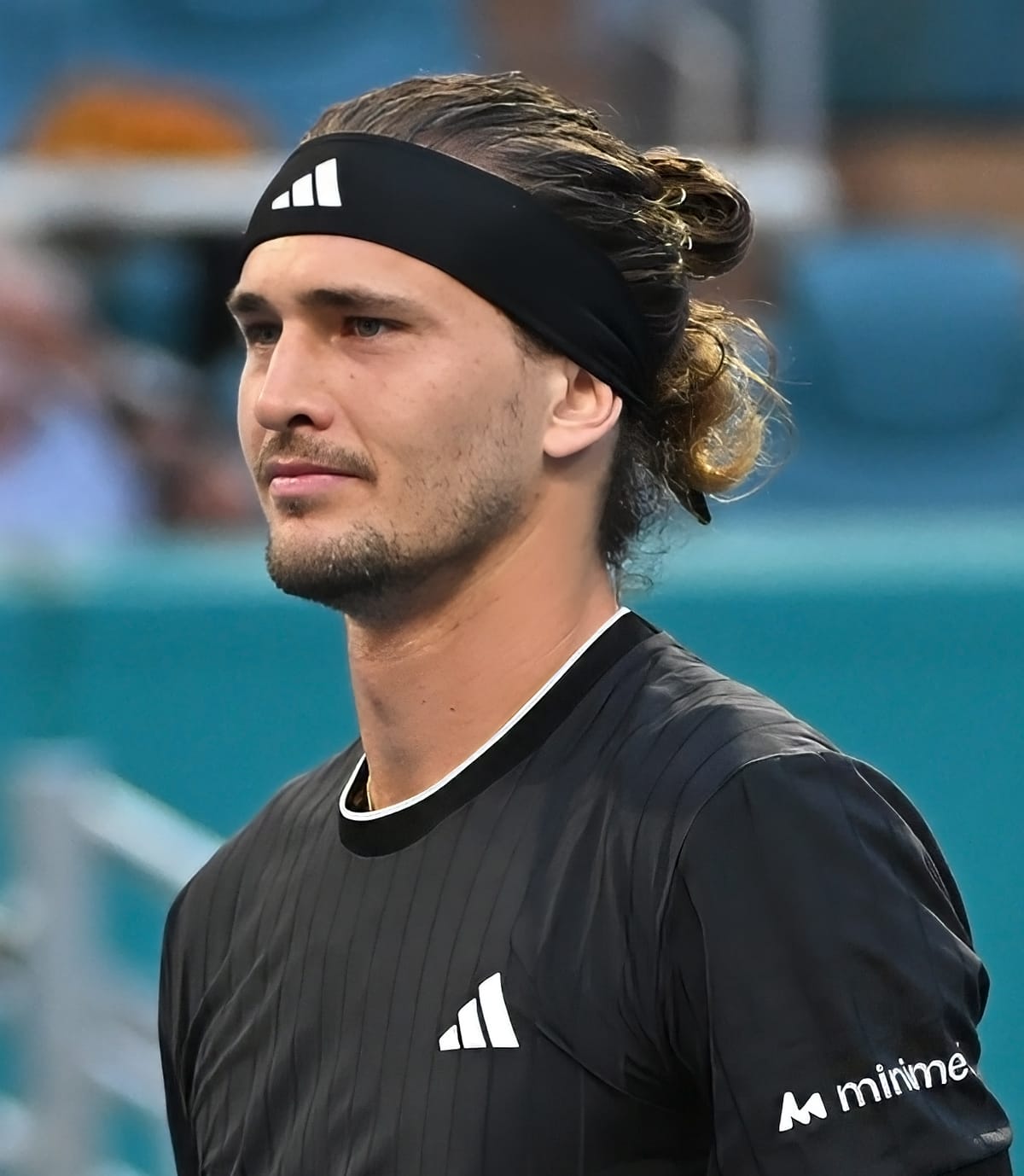
- Zverev beat Flavio Cobolli 6-1, 4-6, 6-4, 6-7(5-7), 6-1 in the final.
- It is the German's first Grand Slam title after three runner-up finishes.
- He is the first German man to win Roland Garros since Henner Henkel in 1937.
- Cobolli reached his first major final and debuted in the ATP top 10.
Alexander Zverev finally has the major that kept slipping away. The 29-year-old German beat Italy's Flavio Cobolli 6-1, 4-6, 6-4, 6-7(5-7), 6-1 in the 2026 French Open final to win his first Grand Slam title, ending a career-long wait that had already produced three runner-up finishes — the 2020 US Open, the 2024 French Open, and the 2025 Australian Open.
An opening, and a man who took it
This was the rare major handed to the field rather than seized from it. Carlos Alcaraz withdrew before the tournament with a wrist injury, and Jannik Sinner, the top seed and defending champion, went out in the second round to Juan Manuel Cerúndolo — a result that, as we noted when the draw guaranteed a first-time champion, ended a nine-slam stranglehold the two had held over the men's game. Zverev did what favorites in his position rarely do: he closed.
Why it lands
For a decade Zverev has been the most accomplished man in tennis without a major — Olympic gold in Tokyo, two ATP Finals titles, a former world No. 2 ranking, and a reputation as the best player yet to break through. At 29, with the Sinner-Alcaraz duopoly defining the era, the window to fix that was closing. Roland Garros, the surface that exposes a game's flaws most ruthlessly, is where he fixed it. He is also the first German man to win the French Open since Henner Henkel in 1937, a line of history that had sat untouched for 89 years.
Cobolli's leap
The other story is Cobolli, who reached his first Grand Slam final and will debut inside the ATP top 10 on the strength of the run. The post-Big-Three men's game has been waiting to see who fills the space behind Sinner and Alcaraz; a fortnight in Paris just produced two new answers.
Source: Wikipedia
Comments