
Key Points
- Apple raised prices on the MacBook Neo, iPad, Apple TV, Vision Pro, and HomePod on June 25
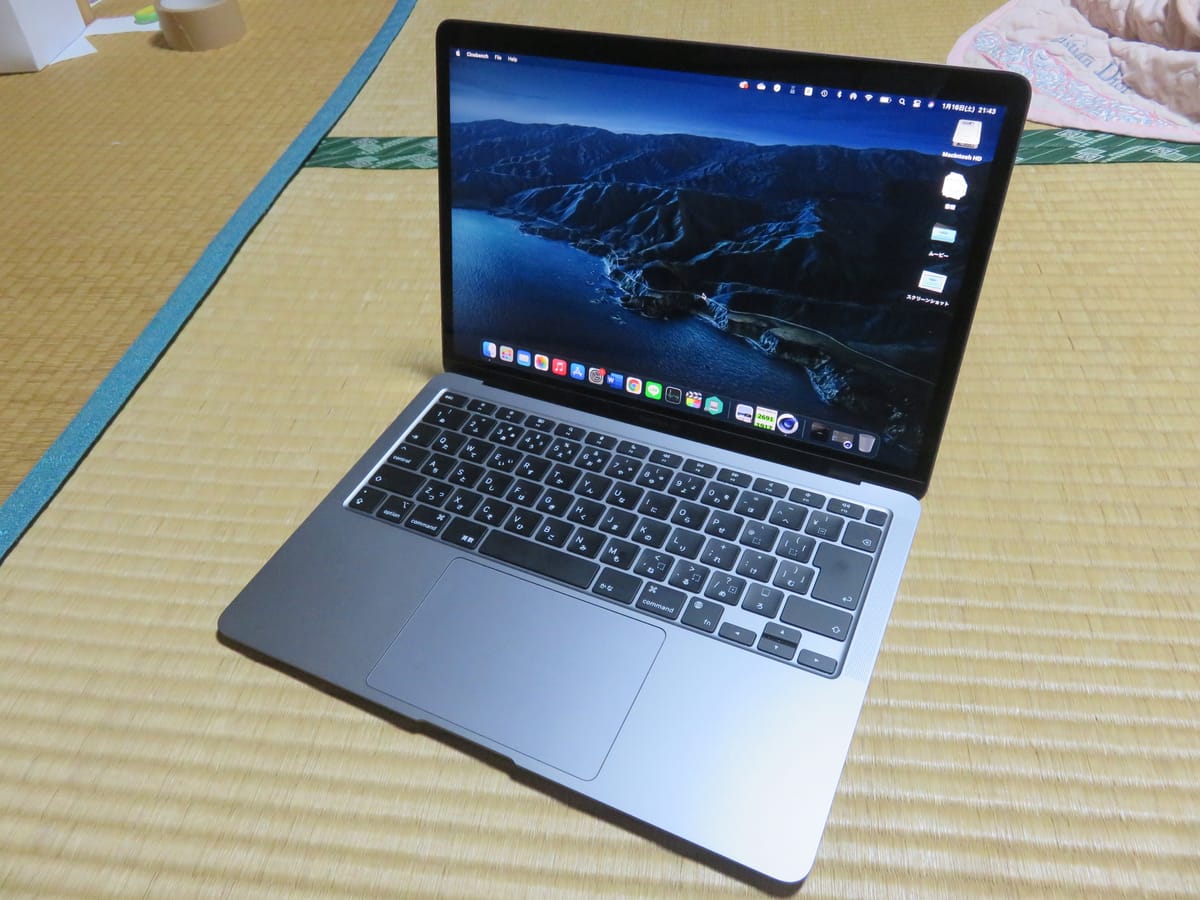
- The MacBook Neo now starts at $699, up from $599; the cheapest iPad is $449, up from $349
- Apple blamed an AI-driven surge in memory and storage chip demand
- iPhone and AirPods were unchanged; Microsoft raised Xbox prices the same week
The AI boom just showed up on a retail price tag. Apple raised prices on the MacBook Neo, iPad, and several other devices on June 25, blaming a shortage of memory and storage chips driven by the data-center buildout behind artificial intelligence. "We have never seen a component price increase this much, this quickly," the company said.
What got more expensive
The new prices went live on Apple's online store Thursday. The entry-level MacBook Neo jumped to $699 from $599, and the cheapest iPad rose to $449 from $349, with the iPad mini climbing $100 to $599. Beyond the headline two, the Apple TV went to $199 from $129, the Vision Pro headset to $3,699 (up $200), and the HomePod to $349 from $299. iPhone and AirPods prices were left untouched.
Why: the AI memory squeeze
The cause is the same force reshaping the rest of the industry. The race to build AI data centers has created what Apple called "an extraordinary surge in demand for memory and storage," as the DRAM and flash that once went into laptops and phones is diverted into the servers running large models. Nvidia has already locked up supply with a memory pact, and the chip arms race — from OpenAI's first custom inference chip to Qualcomm's pursuit of Tenstorrent — keeps pulling components toward the data center. Apple isn't alone in passing the cost on: Microsoft raised Xbox console prices the same week, by $100 on 512GB models and $150 on 1TB models effective August 1, and said console storage and memory costs have risen more than 2.5x, with another doubling expected by late 2027.
For years the AI capital-expenditure supercycle was an abstraction on investor slides — gigawatts, GPU clusters, hundred-billion-dollar rounds. This is the moment it turns concrete for everyone else: the same memory the models are eating is the memory in your next laptop, and the bill for the buildout has started to land at the consumer checkout.
That same AI cost pressure sits next to a very different signal for Apple's own stock: Apple's market cap briefly topped $5 trillion on July 28, with investors rewarding the company's comparatively modest AI infrastructure spending even as component costs rose elsewhere in its product line.


Comments