
Key Points
- Decart raised $300 million at a valuation of nearly $4 billion.
- Radical Ventures led the round, with Nvidia, Adobe, and Toyota backing.
- Angel investors include Andrej Karpathy, Michael Eisner, and Nintendo's founding family.
- Decart builds real-time "world models" — generated, interactive video environments.
The most telling detail in Decart's new $300 million round is not the money or the near-$4 billion valuation. It is the cap table. Alongside the usual frontier-AI backers — Radical Ventures leading, with Nvidia, Adobe Ventures, Toyota Ventures, Sequoia, and Benchmark — sit names from a different industry entirely: former Disney CEO Michael Eisner, members of the Nintendo founding family, and AI researcher Andrej Karpathy. When Hollywood and Nintendo money lands in the same round, the bet is not on software. It is on a new medium.
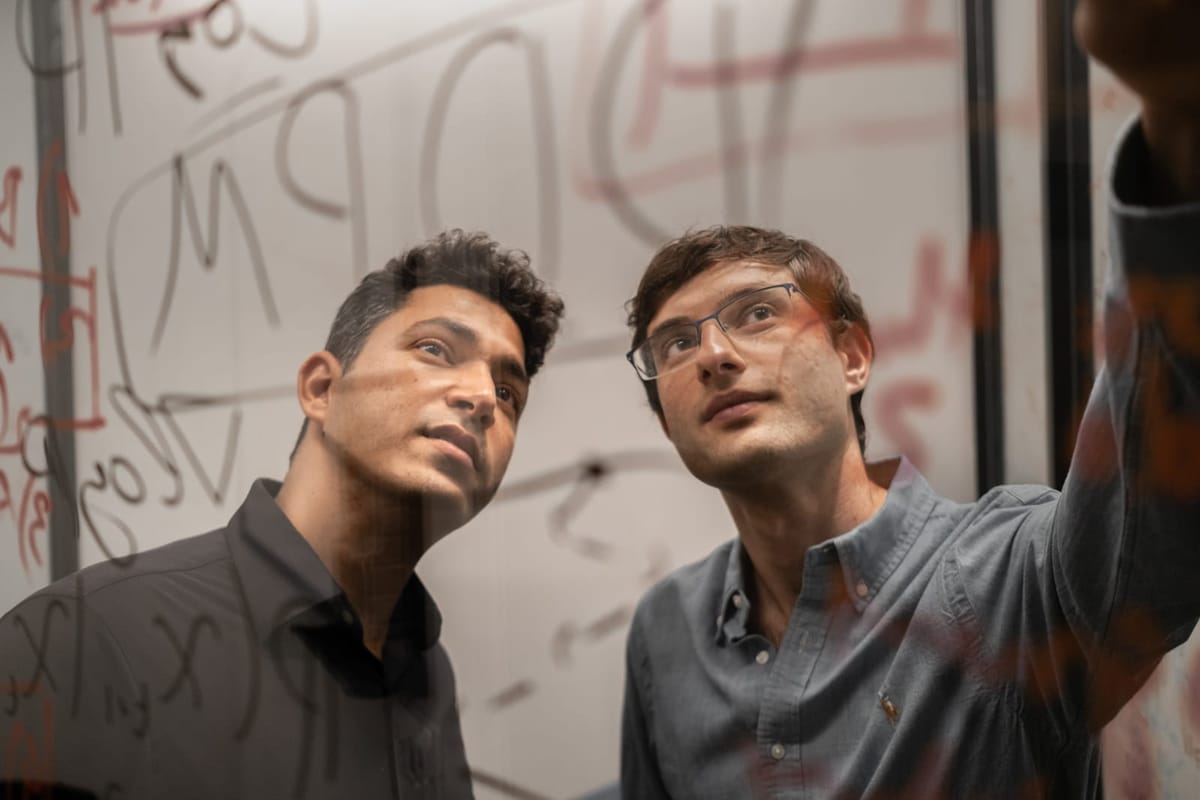
Decart, founded in Tel Aviv in 2023 by ex-Unit 8200 engineers Dean Leitersdorf and Moshe Shalev, builds what the industry calls "world models" — AI systems that generate interactive, explorable video environments in real time rather than rendering them frame by frame the way a game engine does. Its model Oasis generates 3D simulated worlds; its model Lucy edits live video streams, swapping out objects on the fly. The pitch is that the next interactive entertainment platform won't be built by artists placing polygons, but generated on demand by a model.
That is why the Eisner-and-Nintendo signal is worth pausing on. The people who built the last two eras of mass entertainment — theme parks, animated franchises, console gaming — are putting their own money behind the idea that generated worlds are the next one. It is the same instinct that drove the metaverse hype of 2021, except the underlying technology has caught up to the promise: Decart says its system runs up to 100 frames of HD video per second, fast enough to feel like play rather than a slideshow.
There is a less glamorous business underneath the world models, and it may be the more durable one. Decart's DOS platform optimizes AI workloads so they can run across different chips — a hedge against Nvidia lock-in that, tellingly, Nvidia itself is funding. The company says DOS already generates significant licensing revenue, which gives the world-model moonshot a cash-generating floor most generative-video startups lack.
The risk is the obvious one for any company selling a "new medium": the demos are stunning and the use cases are still hypothetical. Virtual try-on mirrors and warehouse-simulation training data are real markets; "the future of interactive entertainment" is a thesis, not a product line. But the money betting on it now is unusually well-placed to know whether the thesis is real. When the men who ran Disney and helped build Nintendo write personal checks, the question is no longer whether generated worlds are coming — it is who gets to own them.
Source: SiliconANGLE, The Next Web.



Comments