
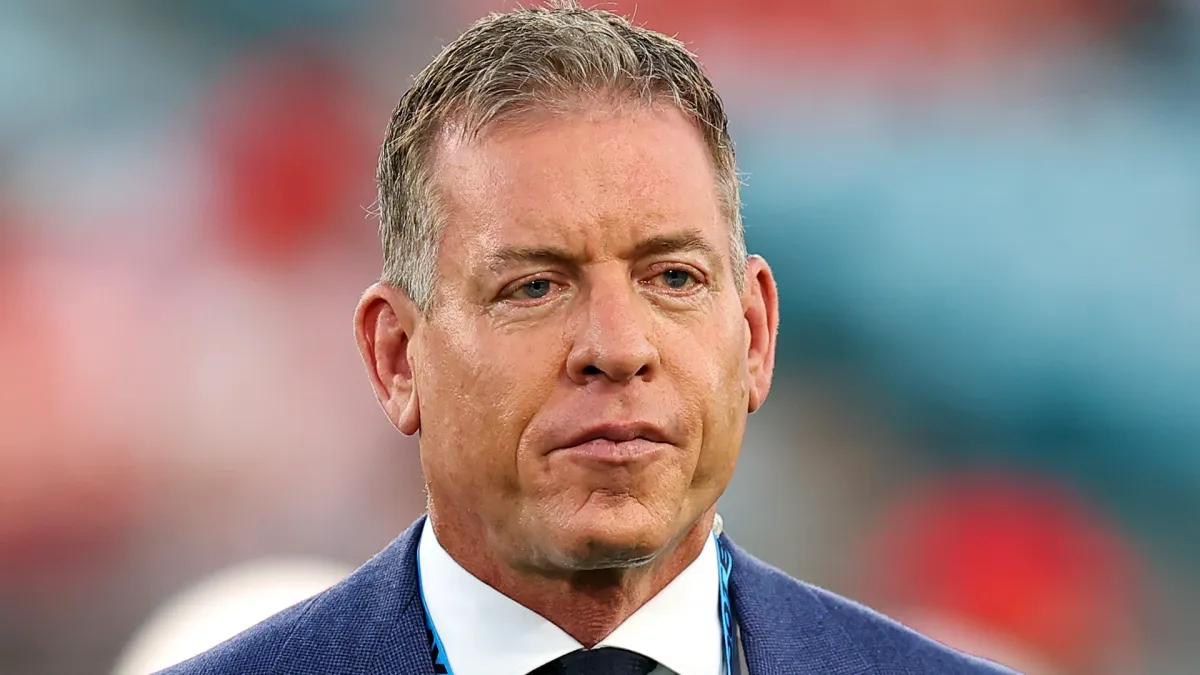
The Miami Dolphins' have made the decision to bring Hall of Fame quarterback Troy Aikman on as a consultant for their general manager search.
This isn't unprecedented, Bob Myers advised the Washington Commanders' coaching search despite no NFL front office experience, while Tom Brady serves in a similar consulting capacity with the Las Vegas Raiders as a minority owner. But Aikman's appointment carries particular weight given his three decades as an NFL player and broadcaster, creating what amounts to an external validation mechanism for an owner who has publicly acknowledged organizational failure.
The Architecture of Outside Validation
Ross specifically wanted "an outside respected perspective from someone who had strong relationships across the league," according to reporting. This framing is crucial. It positions the Dolphins' GM search not as a straightforward evaluation of executive candidates but as a process requiring third-party authentication. The subtext suggests institutional distrust: after 26 years with Chris Grier in the organization and nine as general manager producing zero playoff victories, Ross appears to lack confidence in Miami's internal processes to identify and evaluate front office talent.
Aikman's value here isn't tactical expertise in salary cap management or draft evaluation—it's his accumulated social capital across NFL power structures. His connections around the league, including through weekly Monday Night Football assignments, provide relationships he can leverage to gather information and shape the search. What the Dolphins are purchasing is access to informal knowledge networks and institutional gossip that exists outside formal interview processes.
Aikman has entered what's been called his "give-no-f*cks era," becoming more willing to criticize teams, players, and officials without pulling punches, including recent comments about NFL quarterbacks receiving unfair "bust" labels due to organizational failures rather than individual shortcomings. His perspective, that organizational structure determines player outcomes, is exactly the kind of systems thinking the Dolphins need as they contemplate the futures of head coach Mike McDaniel and quarterback Tua Tagovailoa.
Aikman recently said he could "be a real asset to an organization" while expressing hope to "continue to be an asset to ESPN and keep doing this for a little while longer." The consulting role gives him inside access to organizational processes and decision-making without requiring him to leave broadcasting—a trial run that maintains optionality while providing the Dolphins with high-profile external validation.
The new general manager will inherit a franchise facing existential questions about its quarterback, head coach, and competitive timeline. The Dolphins' focus for their next GM is reportedly on someone with a strong scouting background, suggesting a desire to rebuild talent evaluation from the foundation rather than continue the veteran-acquisition strategy that defined the Grier era.
Comments