
Key Points
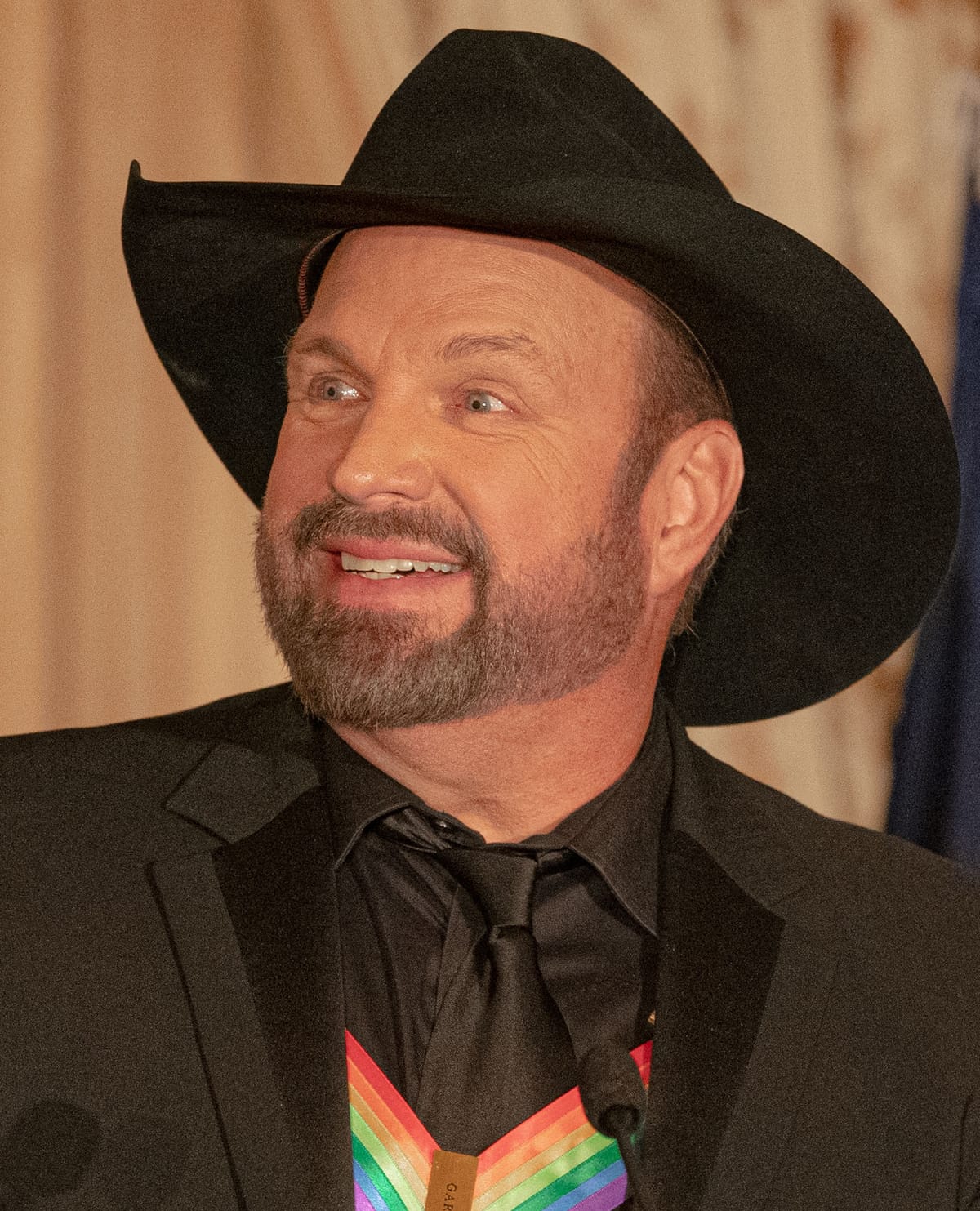
- The Wall Street Journal reported Garth Brooks is exploring a catalog sale valued up to $2 billion.
- The package includes both his songwriting rights and his recorded-music masters.
- Brooks owns both his masters and publishing, a rarity among legacy artists.
- He withheld his music from Spotify and Apple Music for years over artist pay.
Garth Brooks is exploring a sale of his music catalog at a valuation of up to $2 billion, The Wall Street Journal reported, in a package that would include both his songwriting rights and his recorded-music masters. The figure would place one of country music's most reluctant streaming participants among the largest catalog deals ever struck by a single artist.
What makes the Brooks catalog unusual is not the songs — though "Friends in Low Places," "The Dance," and "The Thunder Rolls" anchor a body of work from one of the best-selling solo artists in U.S. history — it is the ownership structure. Brooks controls both his masters and his publishing. Most legacy artists sold or signed away one side of that equation decades ago; the ones commanding the richest multiples in 2026's catalog boom are precisely the few who held onto both. A buyer of the Brooks catalog gets the whole copyright, not a fraction of it, which is why the number reaches ten figures.
Ownership can be cut wider still. Iron Maiden's members sold Pophouse 50% of their publishing and masters plus their name, image and likeness rights, handing over a stake in Eddie, the mascot who has fronted the band's artwork since 1980. Brooks would be selling the whole copyright; Maiden sold a share of the brand attached to it.
The backstory sharpens the point. Brooks spent years withholding his catalog from Spotify and Apple Music, arguing the platforms shortchanged artists and songwriters; for a long stretch his music lived only on Amazon Music and his own site before he relented. That holdout looks, in hindsight, like leverage. By keeping his rights intact and his distribution scarce, he preserved the one thing that makes a catalog worth two billion dollars — clean, undivided ownership a buyer can underwrite for decades.
The timing is not an accident either. Catalog valuations have rebounded hard in 2026, with multiples back in the 12-to-18x range as labels and private-equity-backed funds compete for durable copyrights. A songbook that scores weddings, funerals, and bar closings in perpetuity is the definition of the asset these buyers want. Brooks held his rights through the lean years; he is shopping them at the top of the market. That is not nostalgia. It is a man who understood the value of ownership long before the rest of the industry caught up.
Source: Artvoice, citing The Wall Street Journal.

Comments