
Key Points
- Fonseca beat Casper Ruud 7-5, 7-6(8), 5-7, 6-2 on Court Philippe-Chatrier
- First Brazilian man in a Roland Garros quarterfinal since Gustavo Kuerten in 2004
- The win came 48 hours after a five-set comeback over Novak Djokovic
- The 19-year-old next faces 20-year-old Jakub Mensik
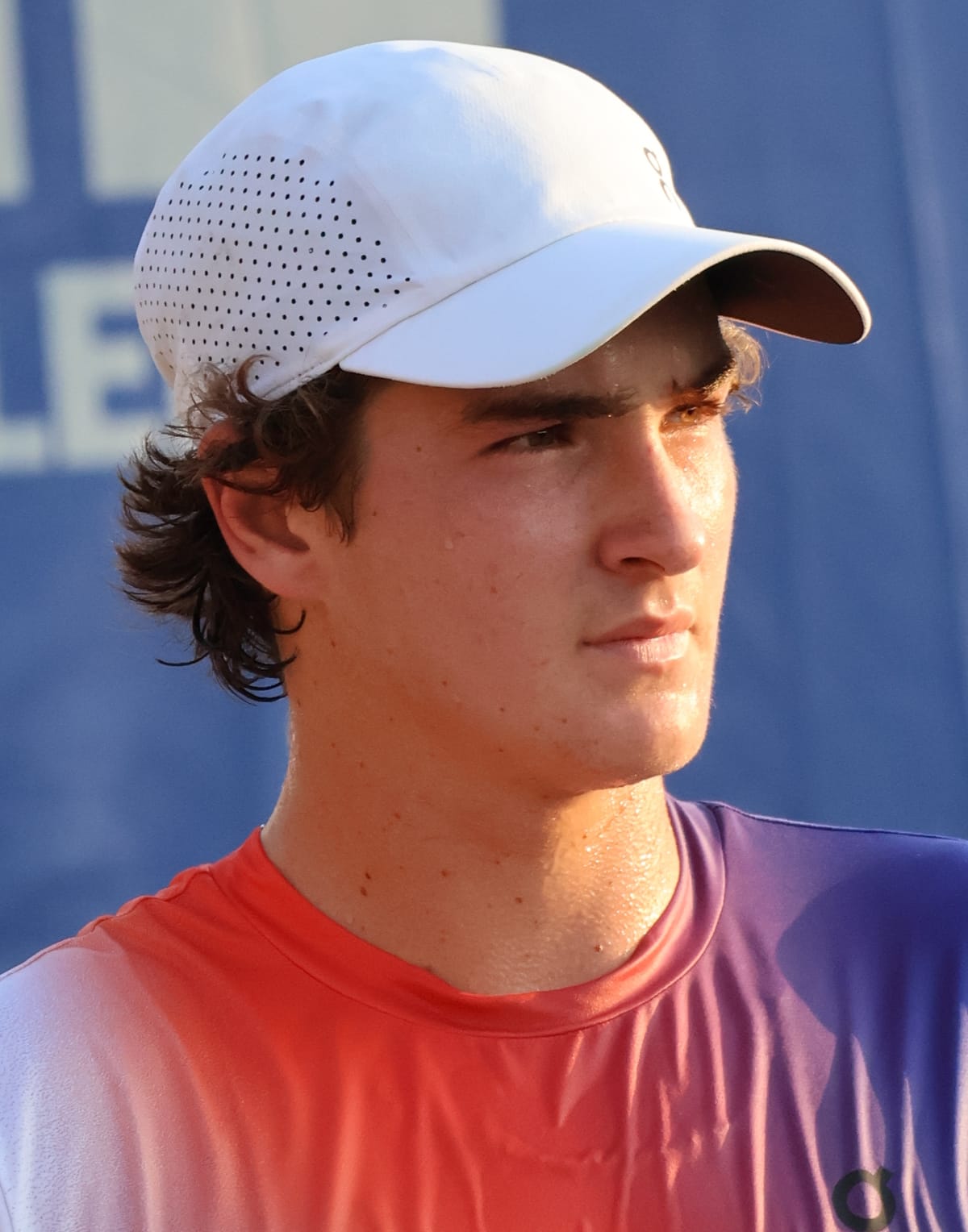
Gustavo Kuerten won three French Opens and made the Roland Garros clay his own. On Monday he sat in the Court Philippe-Chatrier stands and watched a 19-year-old from Rio do something no Brazilian man had done since Kuerten himself last managed it.
The match
João Fonseca beat two-time finalist Casper Ruud 7-5, 7-6(8), 5-7, 6-2 in a match that ran close to four hours, pairing a heavy forehand with the kind of defense that wears down a more experienced opponent. Ruud reached the Roland Garros final in both 2022 and 2023; Fonseca closed him out on the tournament's biggest court to reach his first Grand Slam quarterfinal.
Why Brazil has waited two decades
Fonseca is the first Brazilian man in a Roland Garros quarterfinal since Kuerten in 2004 — and the youngest to get there in the Open era. Kuerten, a three-time champion and former world No. 1, has been the reference point for Brazilian tennis for a generation, with no successor to carry the late-round runs. The result also backed up the biggest win of Fonseca's young career: 48 hours earlier he came from two sets down to beat Novak Djokovic in a five-set epic. For a sport that has spent Fonseca's whole career watching tennis's audience age, the arrival of a marketable teenager out of Rio with a Slam quarterfinal on his sheet is the rare thing the tour can sell.
What's next
Fonseca faces 20-year-old Jakub Mensik of the Czech Republic in the quarterfinal — a meeting of the two youngest men left in the draw. "I played really good in important moments in the first and second set," Fonseca said afterward, calling Kuerten "an idol for our sport, for our country." The clay he is winning on is the same surface his idol made Brazilian.
Roland Garros has lately been a stage for the sport's culture as much as its results — Naomi Osaka defended a tournament-week dinner for Black players just before play began — and Fonseca's run is the on-court story now driving the back half of the draw.
Source: Roland-Garros
Comments