
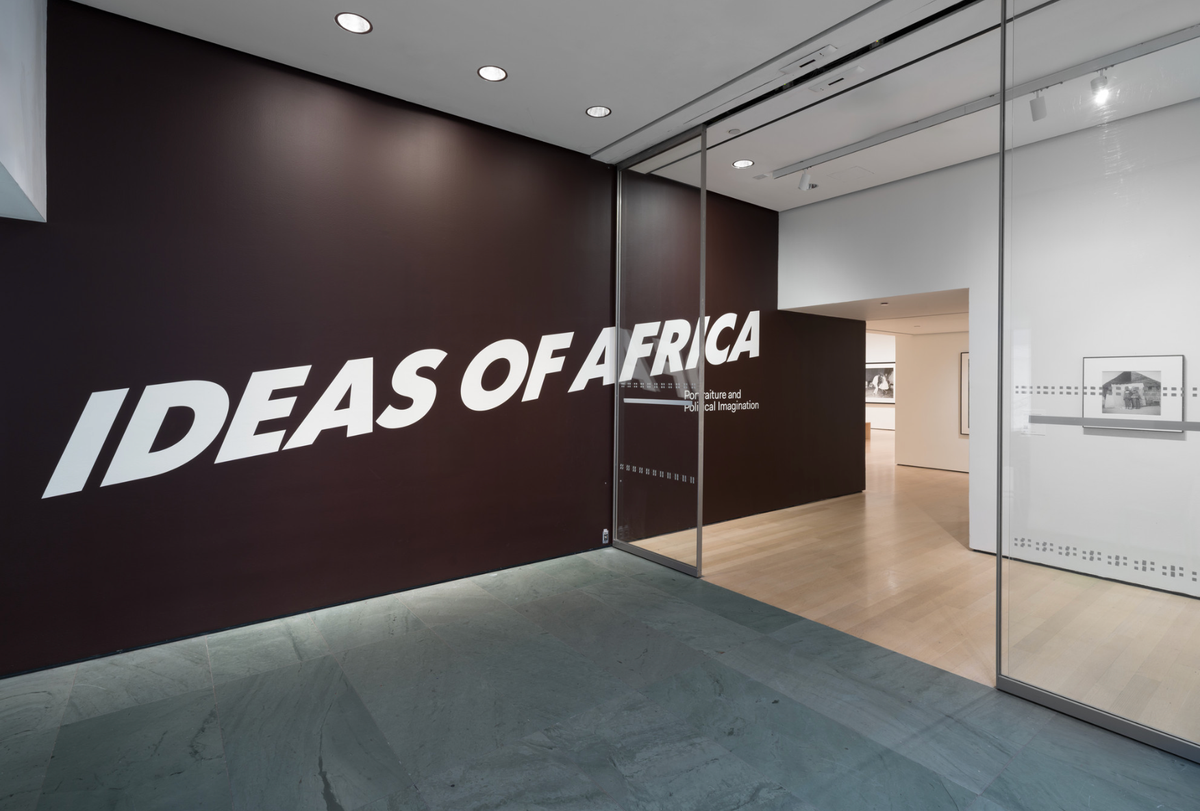
The Museum of Modern Art's exhibition "Ideas of Africa: Portraiture and Political Imagination" positions Seydou Keïta's studio portraits from 1950s Bamako as foundational documents of Pan-African political consciousness rather than mere ethnographic records.
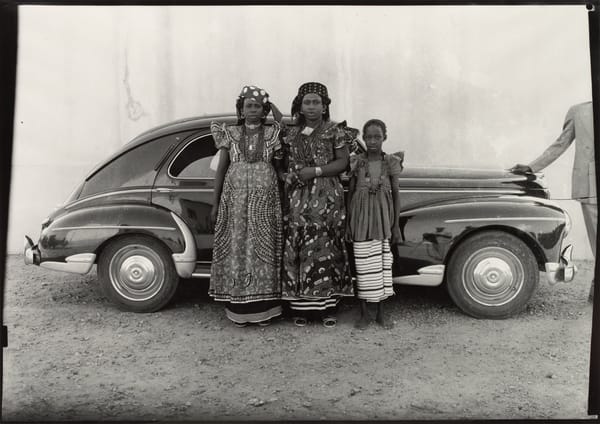
Running through July 25, 2026, the exhibition reframes mid-century African photography as an active participant in constructing Africa as a political idea during the decolonial era. Keïta opened his studio in Bamako in 1948, establishing a portrait practice that documented the city's residents in what curator Oluremi C. Onabanjo describes as "sublime compositions that rendered Bamakois citizenry in the process of becoming."
https://www.moma.org/calendar/exhibitions/5755
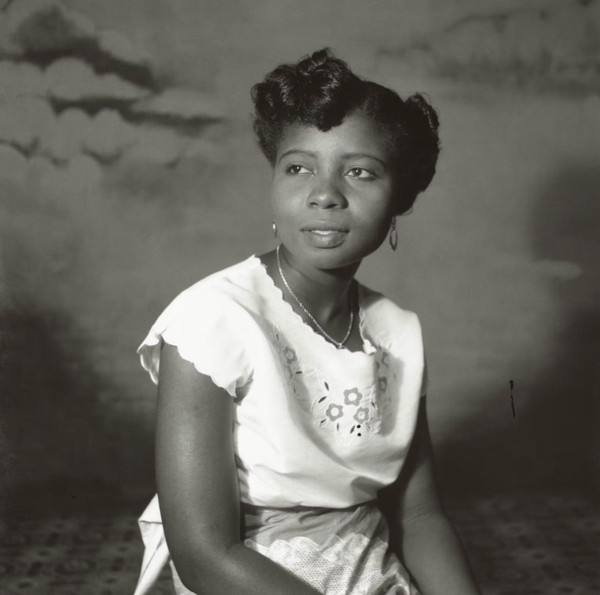
Working primarily with natural daylight in his courtyard, Keïta photographed clients against patterned backdrops with props ranging from European clothing and accessories to radios and scooters—material signifiers of modernity and aspirational identity. The exhibition's curatorial framework deliberately avoids chronological or geographic organization, instead positioning Keïta's work alongside contemporary artists like Samuel Fosso, who embodied Keïta himself in his "African Spirits" series.
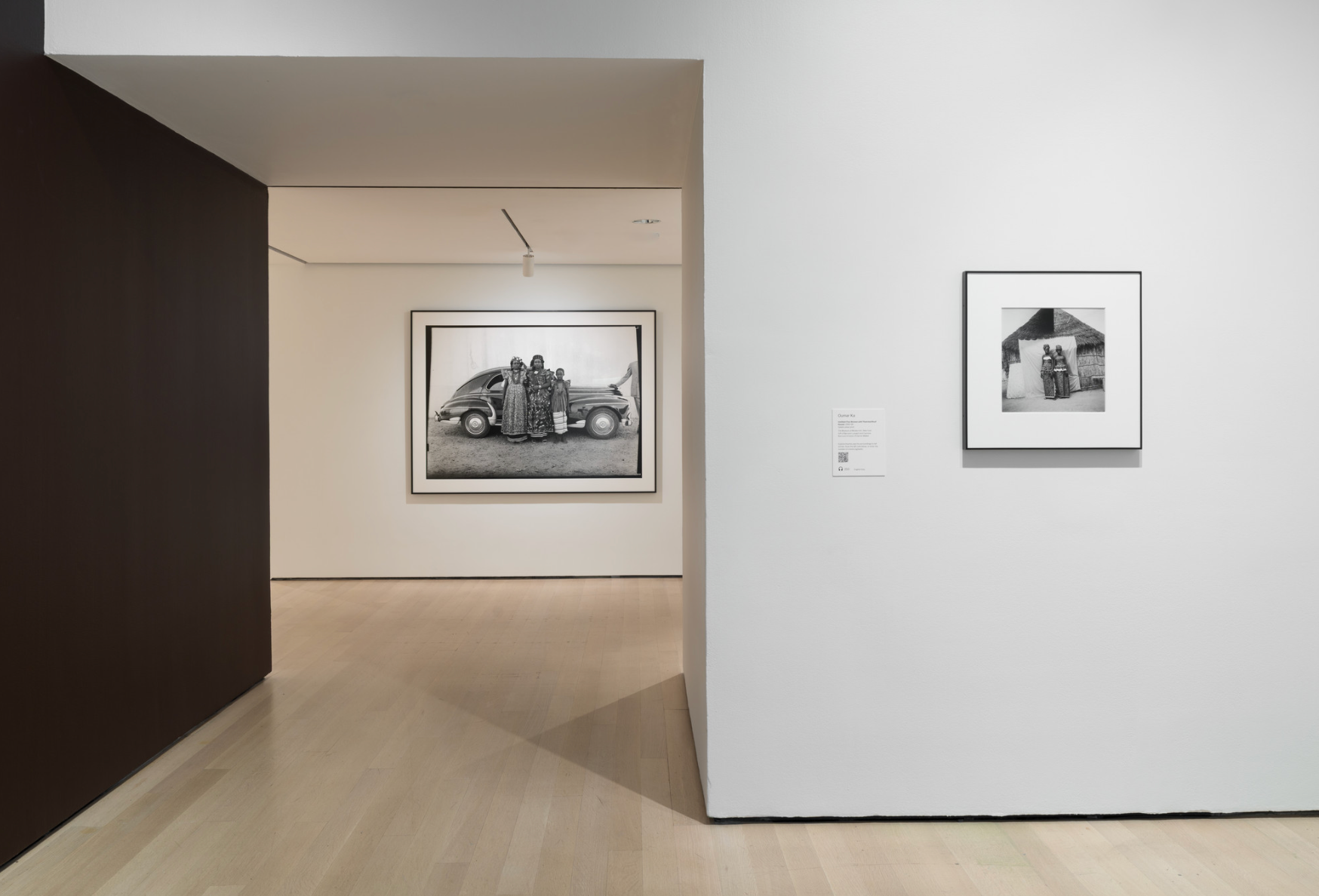
This spatial arrangement traces what Onabanjo calls "an intellectual history, a spirit of Pan-African potential across the African continent" rather than presenting a comprehensive survey. MoMA's approach draws from Valentin-Yves Mudimbe's 1994 scholarly text "The Idea of Africa," which examined Western perceptions of the continent and advocated for frameworks authored by Africans themselves. The exhibition extends this argument through photography, examining how portraits created by Jean Depara, Malick Sidibé, and Sanlé Sory in Kinshasa, Bamako, and Bobo-Dioulasso, respectively, contributed to circulating ideas of Pan-African subjectivity during the same period as the American Civil Rights movement.
Keïta's portraits documented Bamako's transformation during Mali's transition to independence, capturing young men in Western-style clothing and women in flowing robes who gradually adopted European dress by the late 1960s. The photographer's reputation for excellence spread throughout West Africa, built on print quality and aesthetic sensibility rather than volume—economic constraints meant Keïta typically shot only one frame per client. The exhibition features core works from Jean Pigozzi's 2019 gift of modern and contemporary African art to MoMA, alongside recent acquisitions, including Italian-Togolese photographer Silvia Rosi's conceptual self-portraits. A reading room tribute to decolonial-era knowledge production provides access to historical and contemporary photobooks and publications.
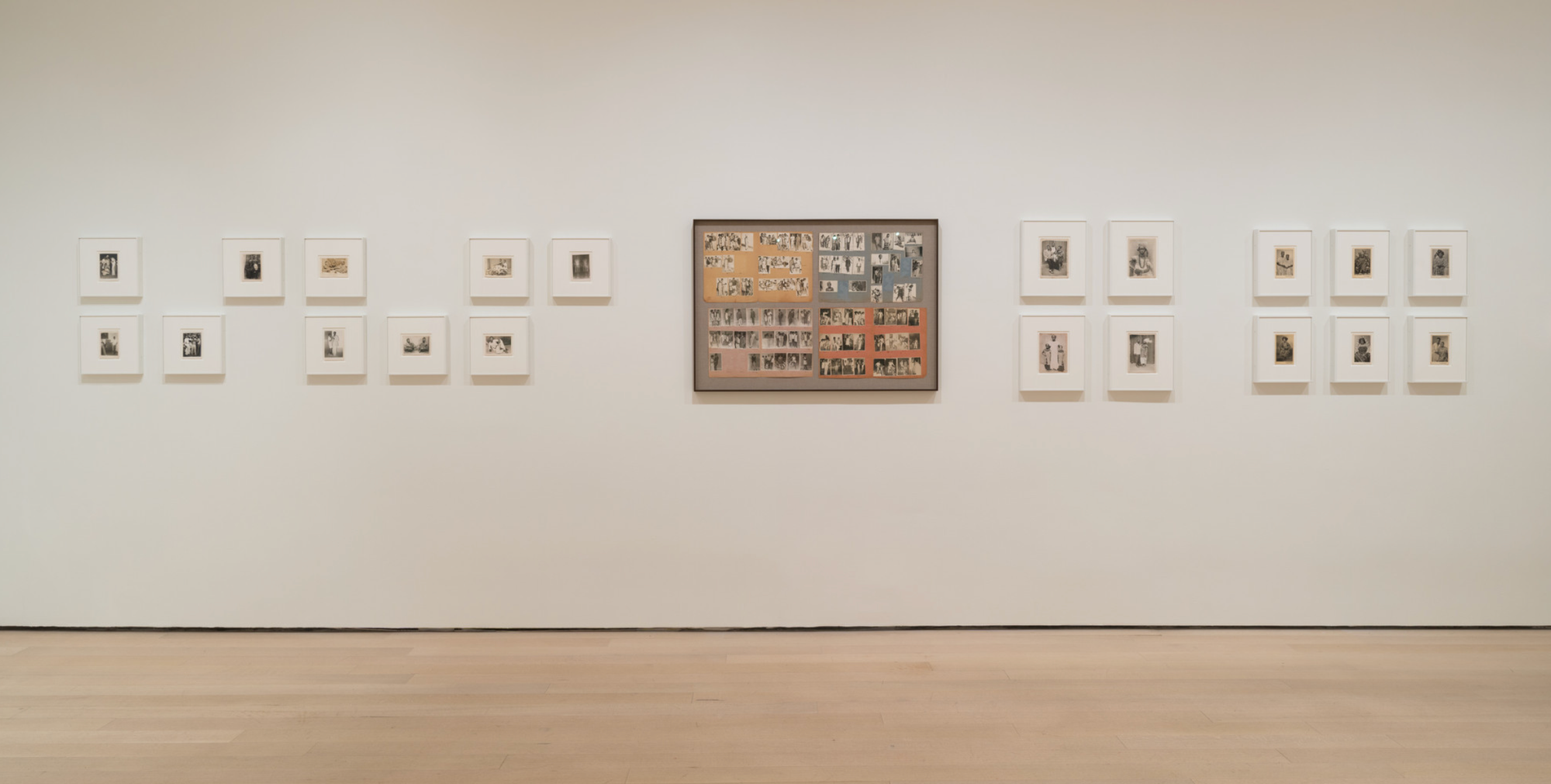
By presenting Keïta alongside contemporary artists and diaspora photographers James Barnor and Kwame Brathwaite, MoMA constructs a narrative about photography's role in political imagination that transcends geographic boundaries. The exhibition argues that portraits functioned as collaborative acts between photographers and sitters who understood images as tools for articulating emerging political realities. Keïta remained relatively unknown in the West until the early 1990s, with his first solo exhibition occurring at Paris's Fondation Cartier in 1994.
This delayed recognition reflects broader patterns in institutional attention to African photography, which the current MoMA exhibition attempts to address by emphasizing Pan-African solidarity rather than Western discovery narratives. The exhibition runs through July 25, 2026, at the Museum of Modern Art in New York. It represents MoMA's third exhibition organized from the Pigozzi collection, signaling a sustained institutional commitment to African photography's position within modern art-historical frameworks.
Comments