
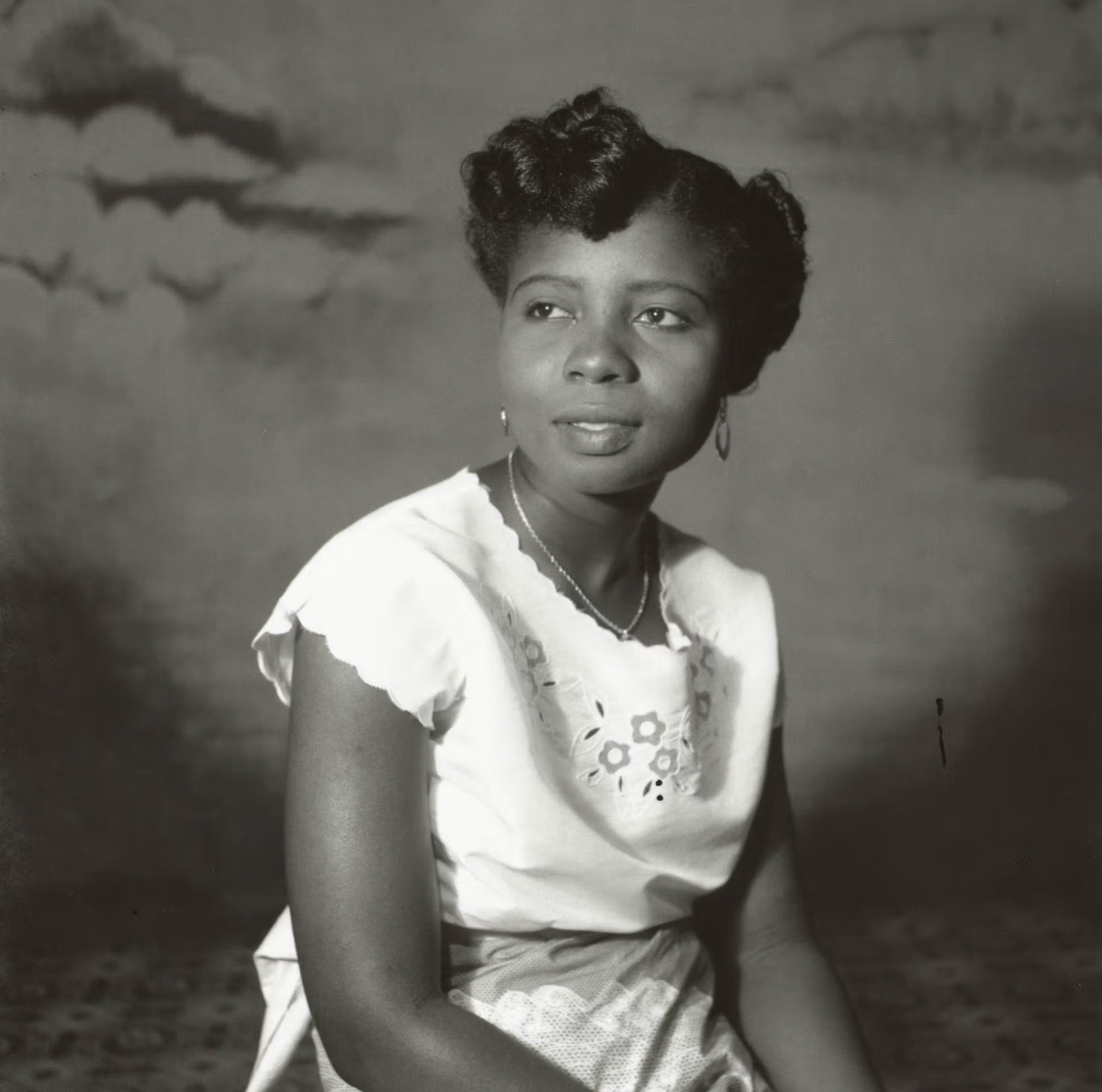
The New York Times' feature on MoMA's "Ideas of Africa: Portraiture and Political Imagination" positions James Barnor as one node in a transatlantic network of image-makers who constructed Pan-African visual language during decolonization.
The exhibition pairs Barnor's work documenting Accra and London's African diaspora with Kwame Brathwaite's "Black is Beautiful" photography from New York, revealing what curator Oluremi C. Onabanjo describes as a "call and response" that shaped Pan-African consciousness across continents. This framing matters because it moves beyond treating African photographers as regional documentarians and instead examines how their images circulated as political tools—how studio portraits from Seydou Keïta's Bamako, Malick Sidibé's Mali, and Barnor's Accra weren't just recording independence-era optimism but actively constructing it, creating visual vocabulary for self-determination that traveled through magazines like Drum and influenced diasporic movements simultaneously.
What makes MoMA's approach culturally significant is its refusal to position these mid-century portraits as nostalgic artifacts or ethnographic documents. Drawing on V.Y. Mudimbe's "The Idea of Africa," the exhibition treats portraiture as a collaborative authorship between photographer and sitter—a space in which political imagination took visual form.
Barnor's Ever Young Studio portraits and his documentation of London's African diaspora during the 1960s operate as part of a larger system in which photography became infrastructure for Pan-African solidarity, in which images of confident, well-dressed subjects in Accra, Kinshasa, and New York constituted a shared visual argument about Black modernity and self-fashioning. The inclusion of contemporary work by Samuel Fosso, Silvia Rosi, and Njideka Akunyili Crosby extends this conversation forward, demonstrating how portraiture remains a site of political negotiation rather than a static historical record. This institutional framing—examining lateral circulation and transatlantic dialogue rather than isolated national movements—finally gives Barnor's archive the theoretical context it deserves, positioning his six-decade practice as essential infrastructure in how Pan-African consciousness visualized itself.

Comments