
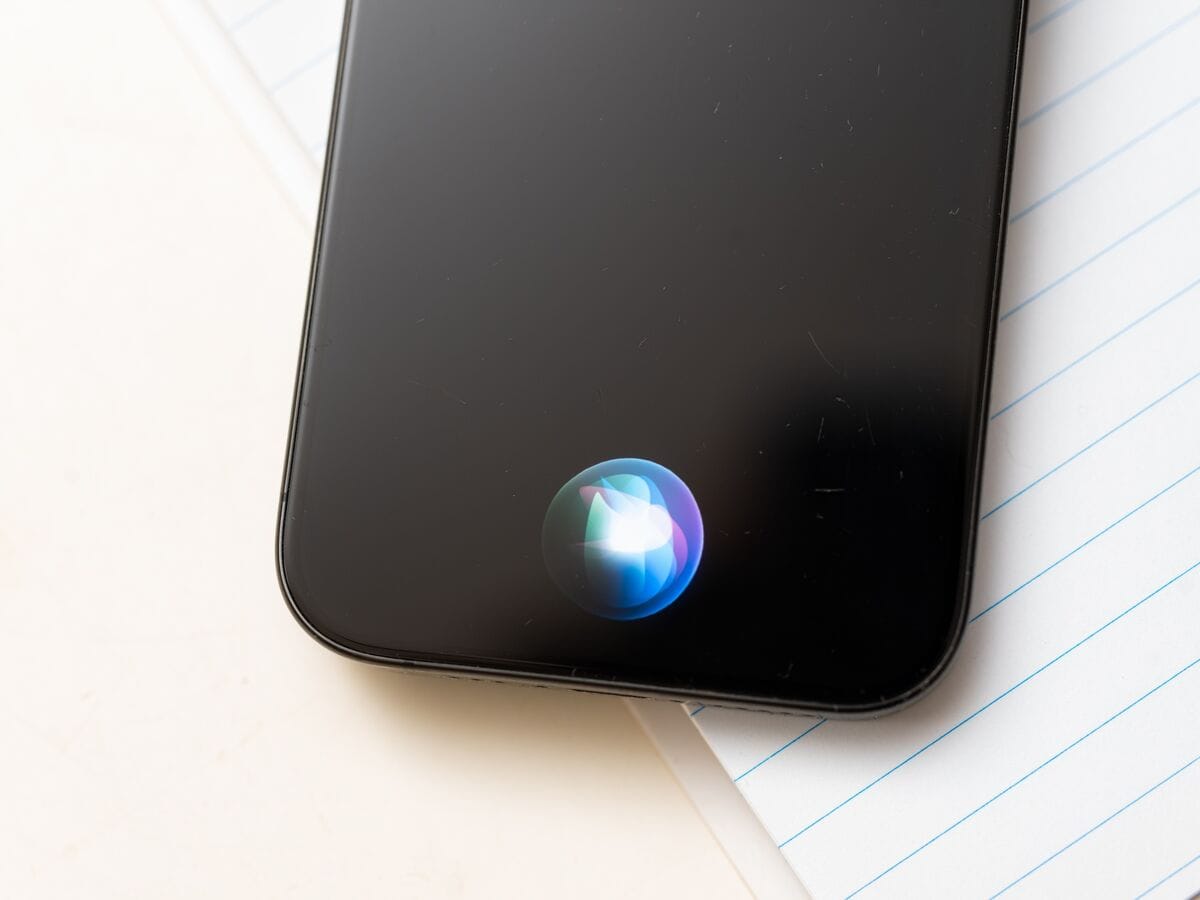
Apple is planning to open Siri to any third-party AI service via App Store apps as part of iOS 27, ending ChatGPT's exclusive role as the outside partner in Apple Intelligence. Bloomberg's Mark Gurman, who first reported the move, describes the mechanism as an "Extensions" system — a new API that lets AI agents from installed apps plug directly into Siri and other Apple Intelligence features across iPhone, iPad, and Mac.
BREAKING: Apple is planning to open up Siri to run any AI service via their App Store apps as part of iOS 27, dropping ChatGPT as the exclusive outside partner in Apple Intelligence and Siri. https://t.co/tfEnHTheBP
— Mark Gurman (@markgurman) March 26, 2026
The implications are significant. Where Siri currently routes unanswered queries to ChatGPT under an exclusive arrangement with OpenAI, iOS 27 would let users choose their preferred AI , Claude, Gemini, Perplexity, or any other service they have installed. The choice lives in Siri's settings. Users would still need to specify which model they want for a given prompt, similar to how the ChatGPT handoff works today, but the playing field is no longer exclusive.
This is a characteristically Apple move: decline to win the AI model race, then become the infrastructure everyone else has to run through. Apple's hardware sits on 2.5 billion active devices. Siri is the default voice interface on every one of them. By opening that surface to third-party AI services, Apple doesn't need to build the best model — it just needs to own the front door. Every Claude subscription, every Gemini Pro upgrade, every Perplexity plan that flows through an iOS App Store purchase gets taxed at Apple's standard 30% rate. The distribution advantage converts into revenue without Apple writing a single line of model training code.
For Anthropic, there's a real upside here. Claude has lagged behind ChatGPT in consumer reach — not because of capability, but because OpenAI owned the first-mover advantage with iPhone integration. If iOS 27 ships as Gurman describes, Anthropic's consumer distribution problem gets solved in one operating system update. The same logic applies to Google's Gemini, which is reportedly powering Siri's underlying intelligence under a separate deal even while also competing for Extensions slots in the new system.
The structural play Apple is running is worth naming clearly: it doesn't need a dominant AI model to win the AI economy. It needs to be the platform the AI economy runs on. The App Store already taxes software. The Extensions system taxes intelligence. Apple becomes the distribution layer for everyone else's AI, collects platform rent on every subscription, and retains full control of the default interface. ChatGPT, Claude, and Gemini get access to Apple's audience. Apple gets a percentage of everything they earn from it.
The Extensions system is currently in testing and is expected to be announced at WWDC 2026, scheduled for June 8, alongside the broader iOS 27 and macOS 27 reveals. Plans could still change before launch.



Comments