
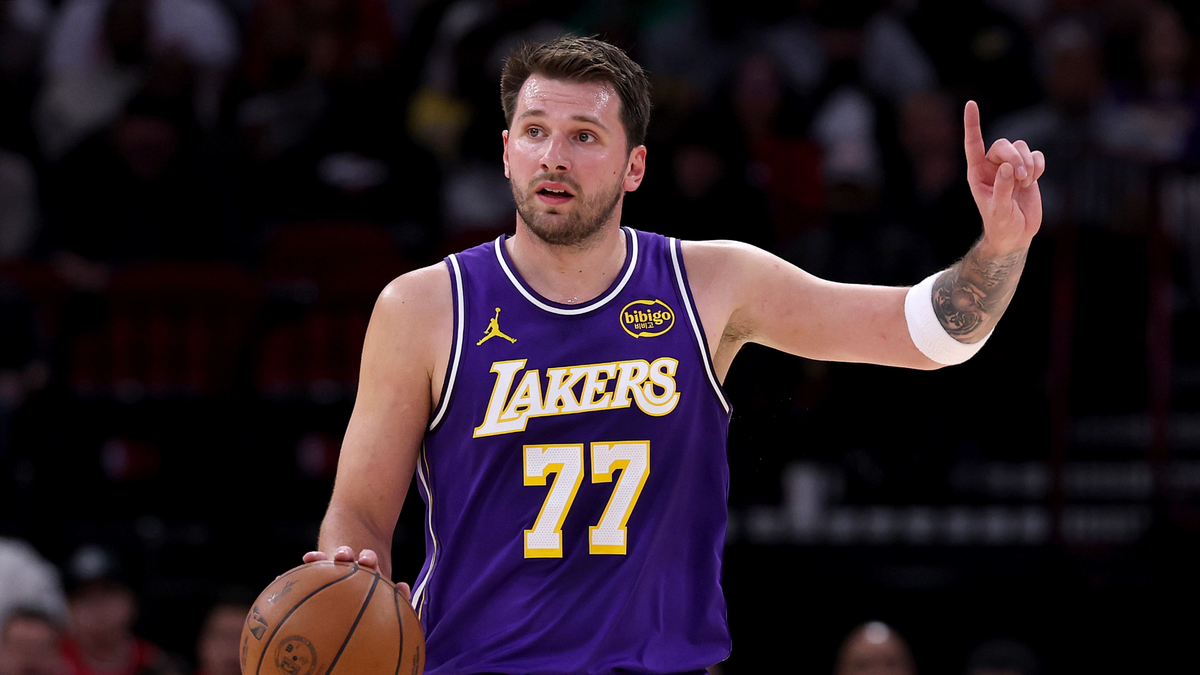
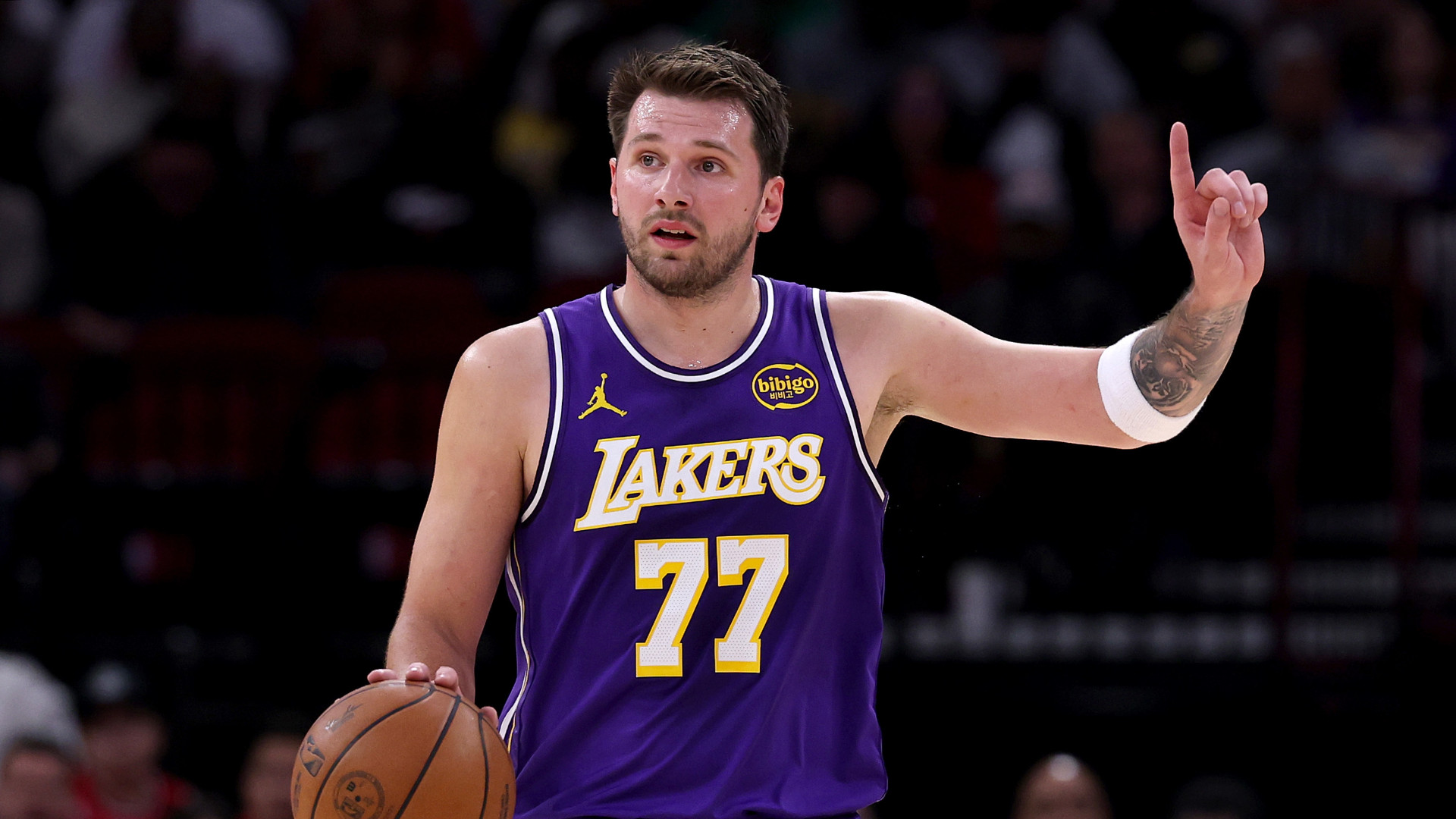
Luka Dončić didn't go to Spain to vacation. He went because Madrid could offer him something Los Angeles couldn't: a more aggressive version of regenerative medicine than US regulations currently permit.
The Grade 2 hamstring strain Dončić suffered on April 2 against the Oklahoma City Thunder has a standard recovery timeline of six to eight weeks. The Lakers open their first-round playoff series against the Houston Rockets on April 18. The math doesn't work — unless you change the medicine.
What Europe Can Do That the US Can't
Stem cell therapy and platelet-rich plasma (PRP) injections aren't new. Athletes have used both for years. What's different in Europe is the potency. FDA regulations limit the concentration and processing of PRP and stem cell preparations available in the United States. European clinics — particularly in Spain, Germany, and Austria — operate under different frameworks, allowing higher-dose formulations that US providers can't legally administer.
The theory, backed by a growing body of sports medicine research, is that higher-concentration regenerative therapies can accelerate soft tissue healing by stimulating cellular repair at a rate that standard treatment doesn't achieve. Medical experts familiar with Dončić's treatment have suggested this approach could cut his standard recovery timeline in half — potentially compressing a six-week window into two to three weeks.
He's back in Los Angeles now, after completing an initial round of injections in Madrid. Evaluation continues. Game 1 is Saturday.
The Regulatory Arbitrage in Elite Sports
This isn't the first time elite athletes have gone abroad for treatments the US doesn't offer. Kobe Bryant traveled to Germany for Regenokine therapy — a form of anti-inflammatory protein treatment — on multiple occasions during the final years of his career. Tiger Woods and other athletes followed. The practice has a name in sports medicine circles: medical tourism, driven not by exotic remedies but by regulatory geography.
The frustrating reality for American athletes and their trainers is that the science on these therapies is evolving faster than the regulatory response. The FDA's conservatism on biologics — arguably appropriate given the risks of untested treatments at scale — creates a gap that elite athletes with resources and access will continue to exploit. For someone like Dončić, flying to Spain isn't a desperate gamble. It's a calculated use of options that happen to exist on the other side of the Atlantic.
What It Means for the Lakers
The Lakers are the four seed. The Rockets are the five. On paper, this is a competitive series regardless of whether Dončić plays. In practice, a healthy Dončić is the difference between a team that can beat anyone in the West and a team that needs to grind out a series it should control.
The optimistic scenario: Dončić misses the first two or three games, the Lakers split or go 1-1 without him, and he returns to a live series in better shape than if he'd pushed through injured. The Lakers have already signaled they aren't rushing him. The series, if it goes deep, gives them the most time to work with.
The pessimistic scenario: the treatment helps but doesn't compress the timeline enough, Dončić returns in Game 4 or 5 with a hamstring that isn't fully functional, and he plays at 70% in a series that ends before he's ready to play at 100.
Right now, there's reason for cautious optimism. The fact that Dončić made the trip — and that the Lakers allowed it — suggests the medical team believes the intervention has a real chance of working. You don't fly across the Atlantic to spend two weeks in a clinic if the doctors think you're out for the season.
The Lakers need him. He knows it. He went to get every possible edge. That's not desperation. That's the calculus of a superstar who has done the math.

Comments