
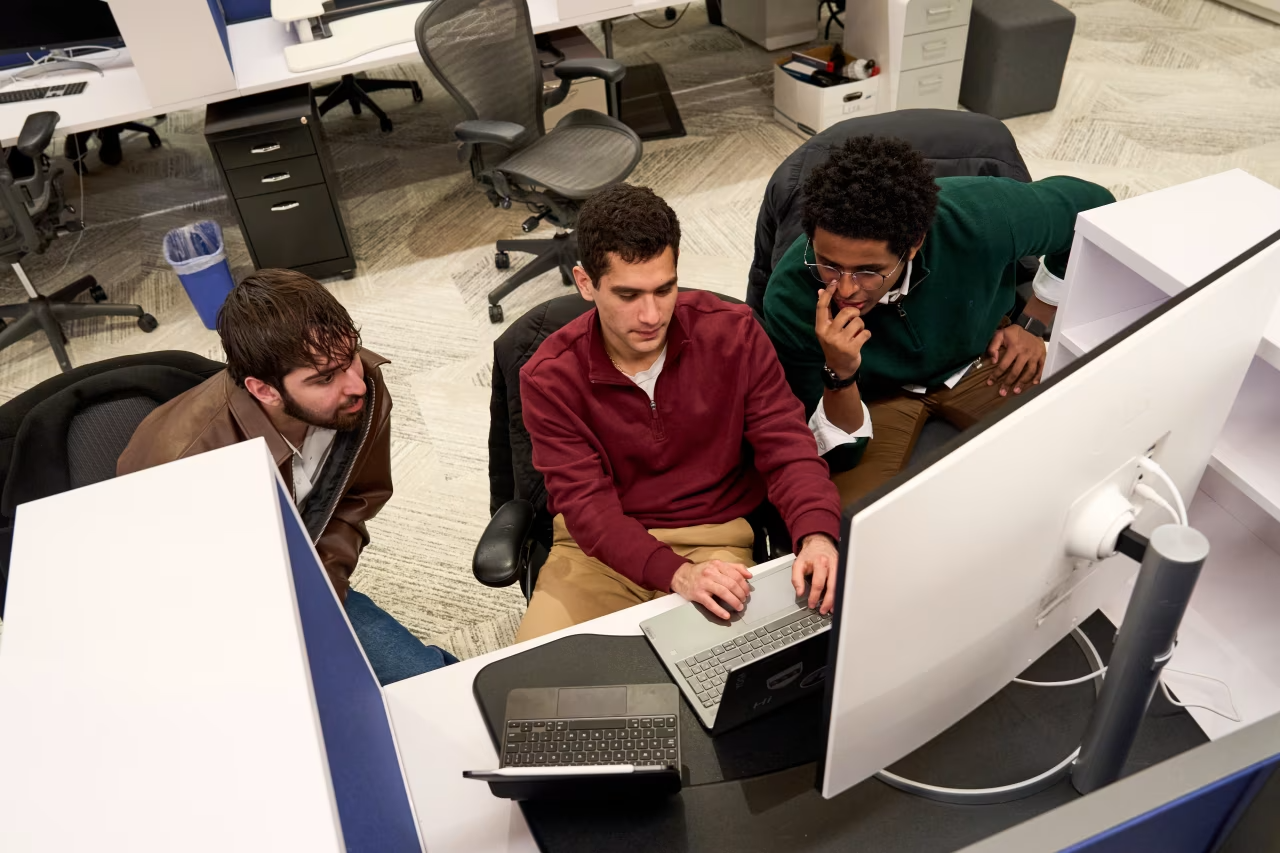
A new class of AI founders is emerging — and many of them are teenagers or early-twentysomethings who are dropouts whose VC investors are covering not just their startup costs but also their rent.
The Wall Street Journal documented the trend this week: venture capitalists are covering the living expenses of young founders who leave Harvard, Stanford, and other elite schools to build AI companies. Dropping out has gone from a risky bet to a credential. At Y Combinator Demo Days, founders now actively tout their dropout status in one-minute pitches as a signal of commitment and speed.
The Examples
The pattern shows up across the AI startup ecosystem. Etched, an AI chip startup built by Harvard dropouts, raised $120 million led by Primary Venture Partners, with backing from Peter Thiel and Stanley Druckenmiller — positioning itself to compete with Nvidia. Turbo AI, founded by two 20-year-olds who dropped out in early 2024, built an AI notetaker that now has 5 million users and is profitable. Aaru, a startup founded by teenagers, reached a billion-dollar valuation.
Gabriel Petersson dropped out of high school and is now a researcher at OpenAI, making six figures.
Why It's Happening Now
The barriers to building functional software have collapsed. With AI coding tools and accessible APIs, a teenager with a laptop can build and ship a working product in days. The traditional argument for staying in school — that you need the knowledge, the network, the credential — is weaker when an 18-year-old can vibe-code a product, post it to social media, and get traction before their former classmates finish their semester.
VCs are responding rationally. If the next foundation model company or AI infrastructure startup is being built by a 19-year-old right now, the cost of covering their rent to keep them building is trivially small relative to the upside.
The Counterpoint
The data is worth holding on to: unicorn founders are statistically 6 times more likely to hold a doctoral degree than the general population and 3 times more likely to hold a master's degree. The dropout-to-billion-dollar-company narrative is real but exceptional. Two Stanford students launched a $2 million accelerator specifically for student founders in February 2026 — institutions are adapting rather than conceding.
The AI moment is real, and the young founders building in it are real. But the "drop out now" framing flattens a more complicated picture: most of the people covering their rent are betting on outliers, and most founders aren't outliers.
Comments