
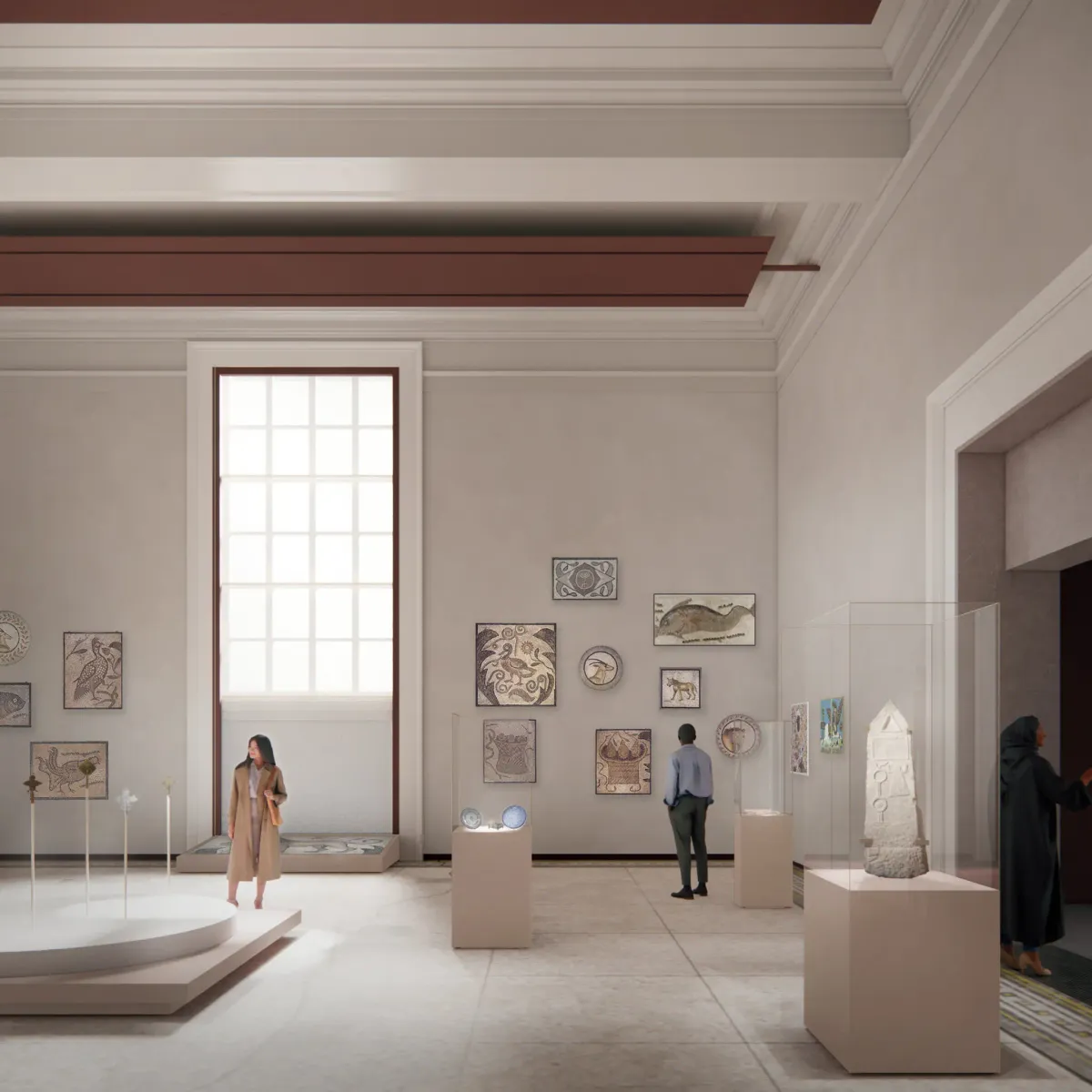
The Brooklyn Museum is planning a major reinstallation of its Arts of Africa collection, with new permanent galleries set to open in 2027. The project has been in motion for several years, with the hiring of Ernestine White-Mifetu and Annissa Malvoisin as curators of African Art in 2022, specifically to lead the effort. This represents one of the most significant expansions of African art presentation at a major American institution in recent memory.
The Brooklyn Museum's African collection is one of the largest in the United States, with more than 6,000 works spanning roughly 2,500 years across more than 100 African cultures, primarily sub-Saharan. The holdings are strongest in Central and West Africa and cover an enormous range of media — wood sculpture, metal casting, terracotta, textiles, beadwork, and contemporary work from the 20th and 21st centuries. The museum has been aggressively acquiring in preparation for the reinstall, prioritizing contemporary works to ensure the galleries don't read as purely historical. Recent additions include a video work by South African artist Robin Rhode and mixed-media pieces by American artist David MacDonald, whose work draws on Igbo, Ndebele, and Maasai creative traditions.
White-Mifetu, who previously served as curator of contemporary paintings and sculpture at the Iziko South African National Gallery in Cape Town, has framed her mandate explicitly around dignity. The goal, as she and museum director Anne Pasternak have described it, is to bring the collection to life by telling new stories for today's audiences and the Brooklyn community, with African cultures "represented with dignity" rather than displayed as an ethnographic artifact. Annissa Malvoisin is a scholar of ancient African art specializing in Egyptian and Nubian art.
The Brooklyn Museum has a long and complicated history with this collection. In 1923, it was the first U.S. museum to refer to such objects as art rather than specimens — a distinction it rightly takes pride in — but it did so under an exhibition titled Primitive Negro Art, a title that reflects the era's racial framework. The path from that starting point to where the museum is now is a long one. The 2027 reinstall represents the institution's most deliberate effort yet to close that distance.
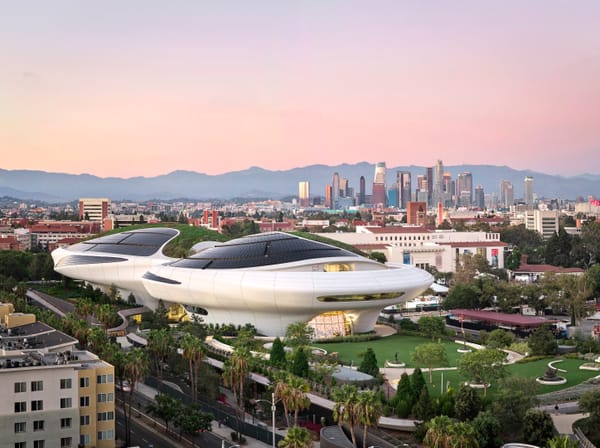
In Los Angeles, George Lucas's Lucas Museum of Narrative Art opened on Sept. 22, 2026.

Comments