
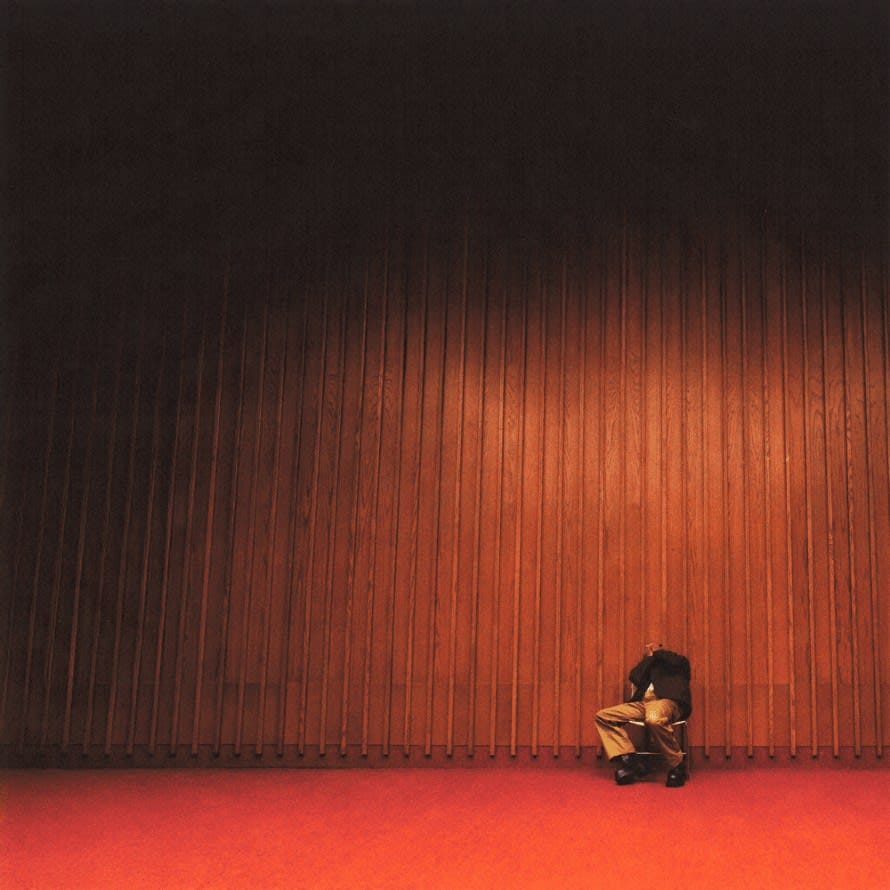
Isaiah Rashad released IT'S BEEN AWFUL on May 1, 2026 — his third studio album and his first project in five years. Sixteen tracks. Top Dawg Entertainment and Warner Records. SZA on "BOY IN RED." Dominic Fike on "CAMERAS." Album cover by Steven Harrington, with a Harrington-edition gatefold 2LP swirl vinyl as the collector's pressing.
The title is the thesis. Rashad has spent half a decade away from full-length releases, most of it publicly working through addiction, sobriety, his sister's incarceration, and a spell where it wasn't clear he'd make another album at all. He came back to put all of it on a record.
A different kind of TDE return
Top Dawg has had a strange decade. Kendrick is on Pulitzer-and-Super-Bowl tier. SZA is the biggest R&B star of her generation. Schoolboy Q put out a great record and went quiet. Ab-Soul resurfaced with one of the best projects of his career and then receded. The middle of the TDE roster — the artists between superstar and emeritus — has been hard to define for a while.
Rashad's return reframes the question. The Sun's Tirade in 2016 and The House Is Burning in 2021 were both critically beloved albums that never quite broke through commercially. The expectation, when an artist disappears for five years after that pattern, is usually that they don't come back at all. Or they come back chasing whatever sound is currently working.
Rashad did neither. IT'S BEEN AWFUL is the album of someone who has stopped trying to win an argument with the algorithm.
The sound
The reference points he gave in the rollout — Prince, OutKast's Stankonia and The Love Below, plus contemporary Atlanta artists like Pluto and BunnaB — are the right map for the record. The production is warmer than The House Is Burning. Less haze, more space. Live-feeling drums on multiple tracks. The kind of mix that rewards a real pair of speakers and punishes phone-out-of-pocket listening.
Quote from Rashad on the sessions: "Top made compromises for the creativity on this one." That's the line that explains the whole project. TDE, historically, lets its artists cook but is also famous for development cycles measured in calendar years. Rashad seems to be saying that this time, the label gave him room to chase the version of the album he heard in his head, even when that meant a longer runway and weirder choices.
SZA, "BOY IN RED," and what guests do
SZA and Rashad have history — they've appeared on each other's projects multiple times across a decade. Their voices are in the same conversational register, and "BOY IN RED" uses that. It's not a feature meant to chart. It's a feature meant to sit inside the song, which is the harder thing to do.
Same with Dominic Fike on "CAMERAS." The features list is short by 2026 standards (16 tracks, three credited guests), and that restraint is itself a statement. Most rap albums in this commercial tier carry 8 to 12 features now, partly to game streaming algorithms, partly because labels demand it. Rashad declined.
What the album is actually about
The themes Rashad keeps returning to: the cycle of addiction and sobriety, fatherhood, his sister being in prison, romantic relationships under the weight of his career, and a recurring confrontation with his own fear of failure. The Exclaim review put it well — the lyrics work as "eloquent meditations on life, love and the vices he uses to cope."
That's not a lane many rappers his age are operating in publicly. The 31-to-35 demographic in hip-hop is mostly making either nostalgia bait or chasing whatever 23-year-olds are doing on TikTok. Rashad is doing the third thing, which is making a record that assumes the listener has also gotten older and is also trying to figure out how to be a functioning adult while still doing the work.
The Steven Harrington vinyl, and why it matters
The collector's pressing is a 2LP gatefold on multicolor swirl vinyl, with cover art reproducing Harrington's original 6x6 painted canvas. Complex is running a pop-up in NYC tied to the release.
This is the merch playbook other Top Dawg artists have used effectively — physical objects that function as art rather than as branded fan tax. It also signals the audience Rashad is making this album for: people who still buy vinyl, who still treat an album as an object, and who are old enough to have been listening when Cilvia Demo came out in 2014.
The five years between The House Is Burning and IT'S BEEN AWFUL were the work. The record proves it.
Related on Uristocrat: Kenny Mason's BULLDAWG with Dominic Fike.

Comments