
Key Points
- Jason Blum's Blumhouse Atomic stands to earn about $17 million on Obsession.
- The film was made for $750,000 and bought by Focus Features for $15 million.
- His bonus starts at $25 million domestic, then $500,000 per $5 million after.
- Obsession has grossed over $229 million; an art director earned under $7,000.
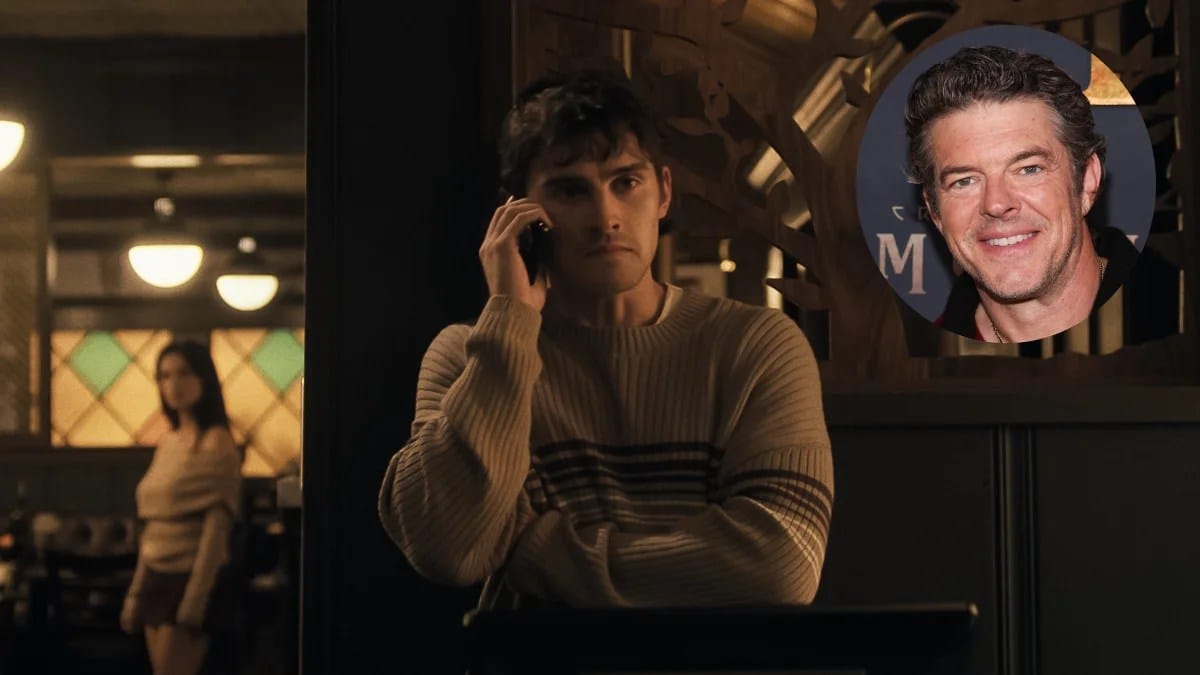
A horror movie made for $750,000 is about to pay one of its executive producers $17 million. Jason Blum's Blumhouse Atomic negotiated a box-office bonus on Obsession — the Curry Barker thriller Focus Features acquired for $15 million — that now stands to return many times what the film cost to make. Obsession has grossed north of $229 million worldwide, and the back end is where the real money lives.
The deal
Blum came onto the film roughly six weeks after Focus bought it, hired to run marketing rather than produce it. The structure he negotiated: $2 million once the film cleared $25 million domestic, then $500,000 for every additional $5 million after that. With domestic receipts past $150 million and climbing toward $175 million, those increments have stacked into a projected $17 million payout for Blumhouse Atomic — on a movie it neither financed nor produced.
Where the value pools
This is the indie-horror economics story in miniature. Obsession was made for less than the catering budget of a studio tentpole, by a YouTuber-turned-director in Barker and a small production team, then sold up the chain — first to Focus for $15 million, then monetized through a marketing partner's bonus structure. Art director Sally Choi, who worked below the line on the actual film, earned under $7,000. The people who made the movie agreed to indie rates; the people who attached themselves after the sale captured the upside.
The read
None of this is unusual — backend bonuses are how Hollywood has always rewarded dealmakers over makers. What Obsession exposes is the ratio. A $750,000 film becomes a $229 million global hit, and the largest single check goes to an executive producer brought on to sell it, not to shoot it. It is the same logic that pools value at the top of every entertainment balance sheet, the dynamic underneath consolidation fights like the $110 billion Paramount–Warner Bros. merger. The horror hit is just a cleaner, smaller illustration of who actually gets paid.
Source: TheWrap



Comments