
Key Points
- The Netherlands confirmed the restitution of more than 2,000 cultural objects taken unlawfully during colonial conquests.
- Germany identified additional artifacts linked to the Kpando traditional area for return.
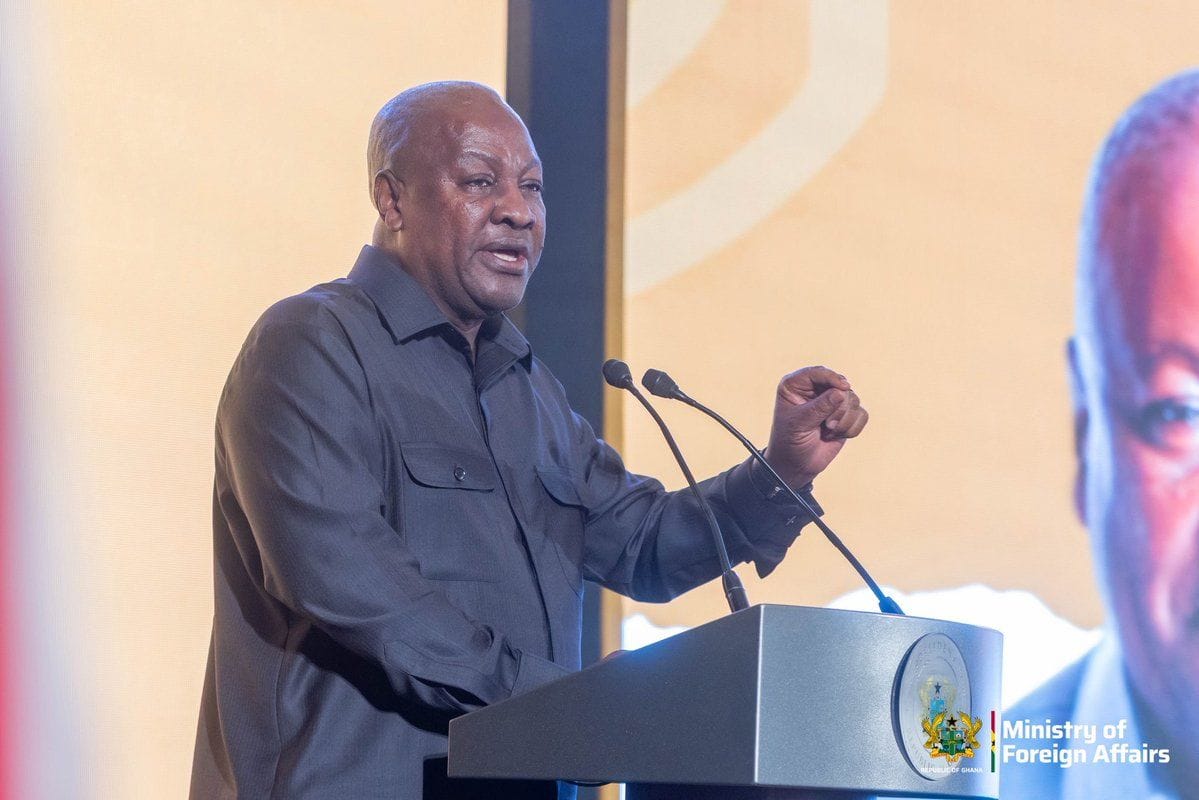
- Dutch Ambassador Jeroen Verheul presented a symbolic catalog of items to Ghanaian President John Dramani Mahama.
- The announcement was made at the Next Steps Conference in Accra (June 17–19, 2026).
The Netherlands and Germany have formally committed to returning approximately 2,000 cultural artifacts to Ghana, one of the largest coordinated restitution agreements in recent history. Ghanaian Foreign Minister Samuel Okudzeto Ablakwa announced the agreement at the three-day Next Steps Conference on Restorative Justice held in Accra from June 17 to 19.
The agreement
The bulk of the restitution comes from the Netherlands, which confirmed that more than 2,000 objects in its institutional collections were identified as unlawfully taken during colonial-era conquests. Germany's commitment is smaller but symbolically significant: the country will return artifacts specifically linked to the Kpando traditional area in Ghana's Volta Region.
Dutch Ambassador Jeroen Verheul presented a symbolic catalog of the items to President John Dramani Mahama during a plenary session. The artifacts are expected to enrich Ghana's museums, strengthen cultural education, and give future generations direct access to objects that had been held in European collections for more than a century.
The broader context
The conference followed a United Nations resolution passed on March 26 declaring the transatlantic slave trade a "gravest crime against humanity," creating momentum for concrete action. Attendees included Barbadian Prime Minister Mia Amor Mottley, Senegalese President Bassirou Diomaye Faye, and French President Emmanuel Macron by recorded video message. The conference also commemorated Juneteenth with activities at Christiansborg Castle, a former slave-trading center on the coast of Accra.
The repatriation fits a growing pattern across European institutions. The Netherlands has positioned its policy as demand-driven — restitution begins when a country formally requests the return of objects it considers its own. As Verheul framed it, returning objects "often provide a positive boost to cultural and museum cooperation," an acknowledgment that restitution strengthens rather than severs institutional ties.
Sources: ARTnews, The Art Newspaper



Comments