
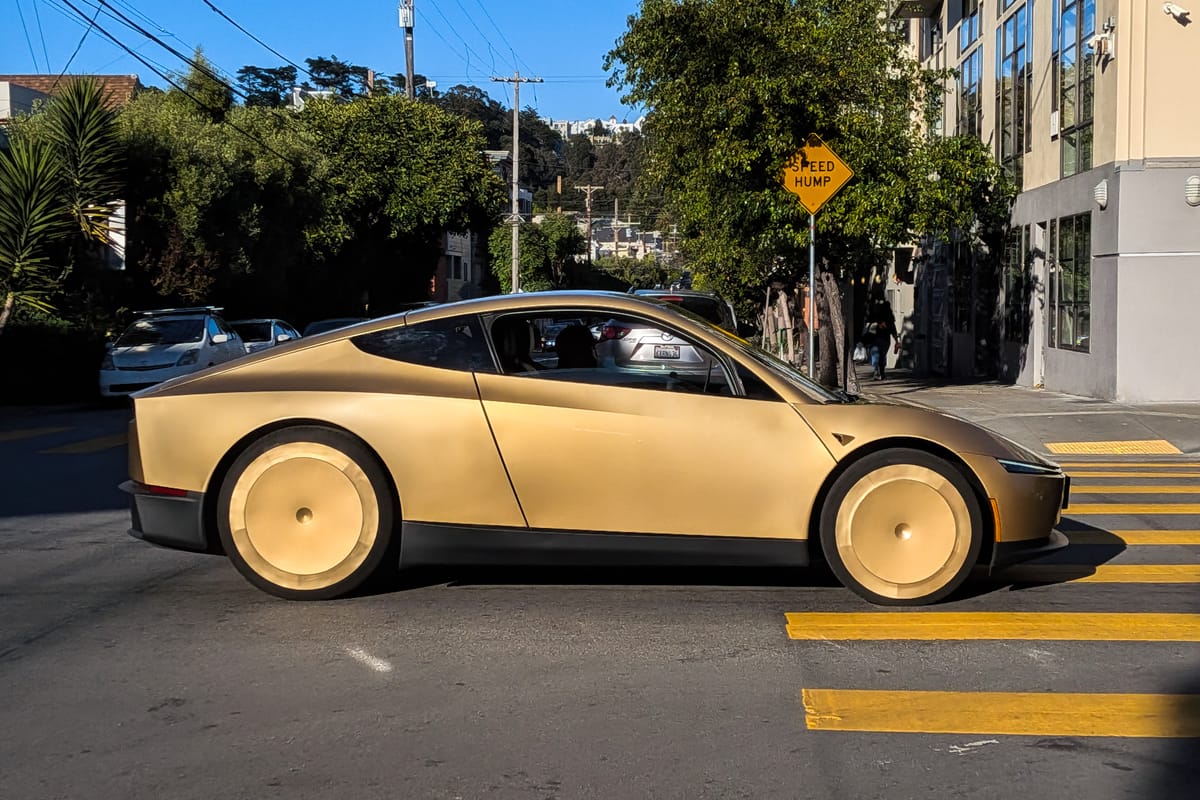
The National Highway Traffic Safety Administration opened an investigation on Friday, September 4, into how Tesla certified its Cybercab as road-legal. The agency announced the probe hours after Tesla put the first Cybercabs into paid service on public streets in Austin, Texas, according to TechCrunch.
The Cybercab is a two-seat robotaxi with no steering wheel, no pedals and no mirrors. Federal vehicle safety regulations require manual controls such as brake pedals, though the Department of Transportation has proposed removing those requirements for vehicles designed to be driven autonomously.
What NHTSA is examining
In the United States, automakers are not pre-approved by a regulator. They self-certify that a vehicle meets the Federal Motor Vehicle Safety Standards, and NHTSA can investigate after the fact. NHTSA said Tesla told the agency it had self-certified the Cybercab as compliant with all applicable FMVSS.
The agency said it opened the investigation to "examine the process and technical data on which Tesla relied when certifying the Cybercab and related issues." It added that it will consider the extent to which Tesla's certification depended on determinations that certain federal motor vehicle safety standards do not apply to the Cybercab at all.
"NHTSA fully supports the safe development and deployment of automated vehicles. But as the federal regulator, we need to ensure that all of our laws are followed," administrator Jonathan Morrison said in a statement. "Our approach of balancing innovation with safety oversight will allow the United States to maintain its global leadership in AV innovation."
The Zoox precedent
NHTSA has used the audit query before. In 2022, Amazon-owned Zoox self-certified its cube-shaped robotaxi, which also lacks a steering wheel and pedals. NHTSA issued a special order seeking more information, then formally opened an audit query — the same process it is now using on Tesla — the following year.
Zoox was still in testing at the time. The company maintained that self-certification was sufficient, but in 2025 the agency granted it an exemption to demonstrate rather than commercially operate its technology. Zoox then filed for a temporary Part 555 exemption from eight Federal Motor Vehicle Safety Standards, and received final approval in July 2026. That exemption caps Zoox at 2,500 additional vehicles per year in its commercial fleet over two years. Zoox opened its commercial service several weeks later and now charges for rides in Las Vegas.
Rules in flux
NHTSA acknowledged on Friday that it is changing parts of the FMVSS relating to manual controls in order to "unleash American innovation and enhance safety on our roads." The agency said it "looks forward to finishing these critical updates and removing unnecessary barriers to American AV innovation in the coming months. Until that work is completed, however, existing standards remain in force."
In June, Waymo recalled 3,871 robotaxis over the risk of entering freeway construction zones. Autonomous trucking company Gatik raised a $200 million Series D in August, and Nvidia has said it is targeting 2027 for Level 4 robotaxi fleet deployment.
Source: TechCrunch, NHTSA
Comments