
Key Points
- Waymo is recalling 3,871 fifth-generation self-driving systems
- A software flaw let cars enter closed freeway construction zones
- More than a dozen incidents occurred in California and Arizona since April
- Waymo pulled robotaxis from highways May 19; a fix is in development
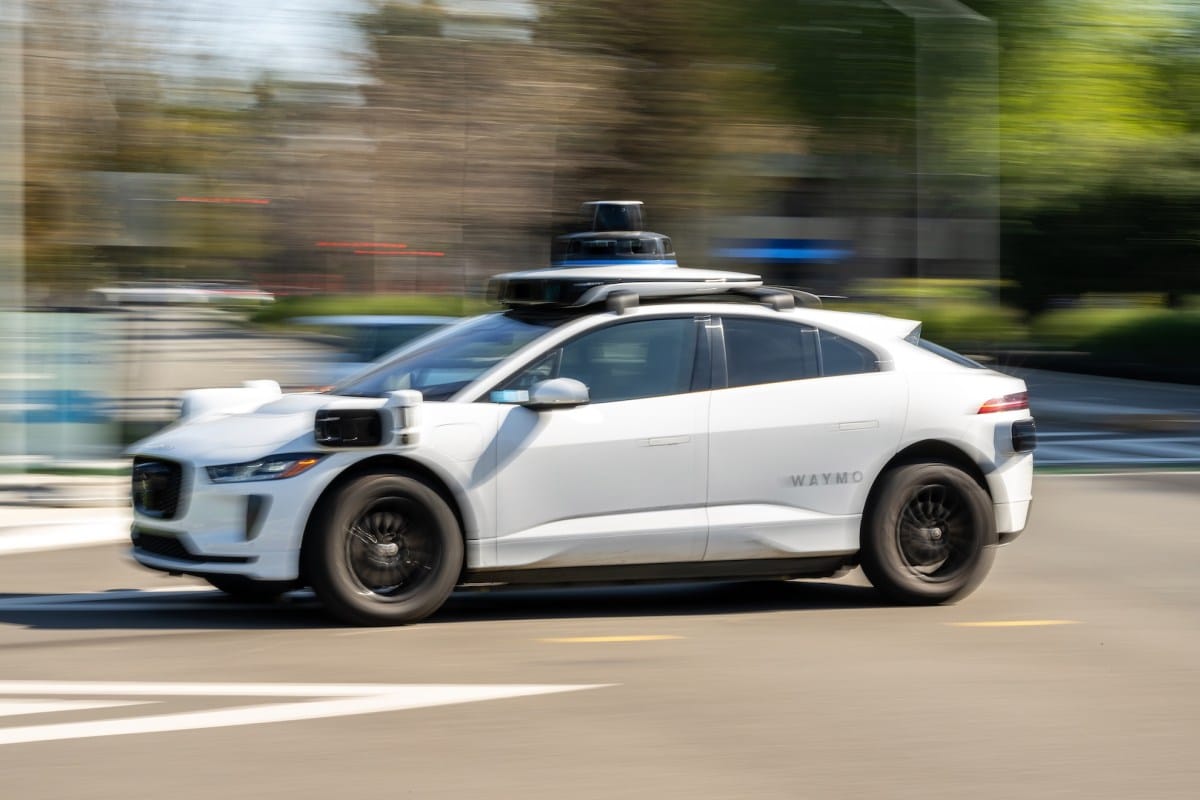
The hardest part of self-driving was never the open road; it was the exceptions. Waymo, Alphabet's autonomous-vehicle unit, is recalling 3,871 robotaxis after a software flaw caused its cars to drive past closure signs and into active freeway construction zones — the edge case, not the everyday, tripping up the most advanced fleet on the road.
What happened
In filings with the National Highway Traffic Safety Administration, Waymo disclosed more than a dozen incidents since early April in which its fifth-generation vehicles failed to recognize ramp-closure signs and continued into pre-planned freeway construction zones and lanes with active work. Six occurred in Phoenix in April; seven in San Francisco in May. Waymo pulled its robotaxis off highways entirely on May 19, and says a software fix is currently under development.
What it signals
A recall of 3,871 vehicles for driving into construction zones is the kind of headline that sounds alarming and is, in context, fairly routine for the category — no injuries were reported, and the company caught the pattern and grounded the fleet itself. The deeper point is that Waymo is now operating at a scale where statistical edge cases become news events. Running a robotaxi service across multiple cities means the rare failure happens often enough to file with regulators, and Alphabet — which is pouring the same kind of capital into autonomy that it pours into cloud and AI infrastructure — is learning that scale and scrutiny arrive together.
The read
Self-driving has quietly crossed from demo to deployment, and this recall is what that maturity looks like: not a viral crash video, but a software patch, an NHTSA filing, and a fleet voluntarily kept off the freeway until it's fixed. The technology is good enough to run a commercial service and not yet good enough to ignore construction signs every time — and the gap between those two facts is exactly where the next few years of autonomy will be fought.
Federal oversight of driverless fleets has continued since: in September 2026, NHTSA opened an audit query into Tesla's Cybercab certification hours after the steering-wheel-free robotaxi began paid service in Austin.
Source: TechCrunch, Bloomberg


Comments