
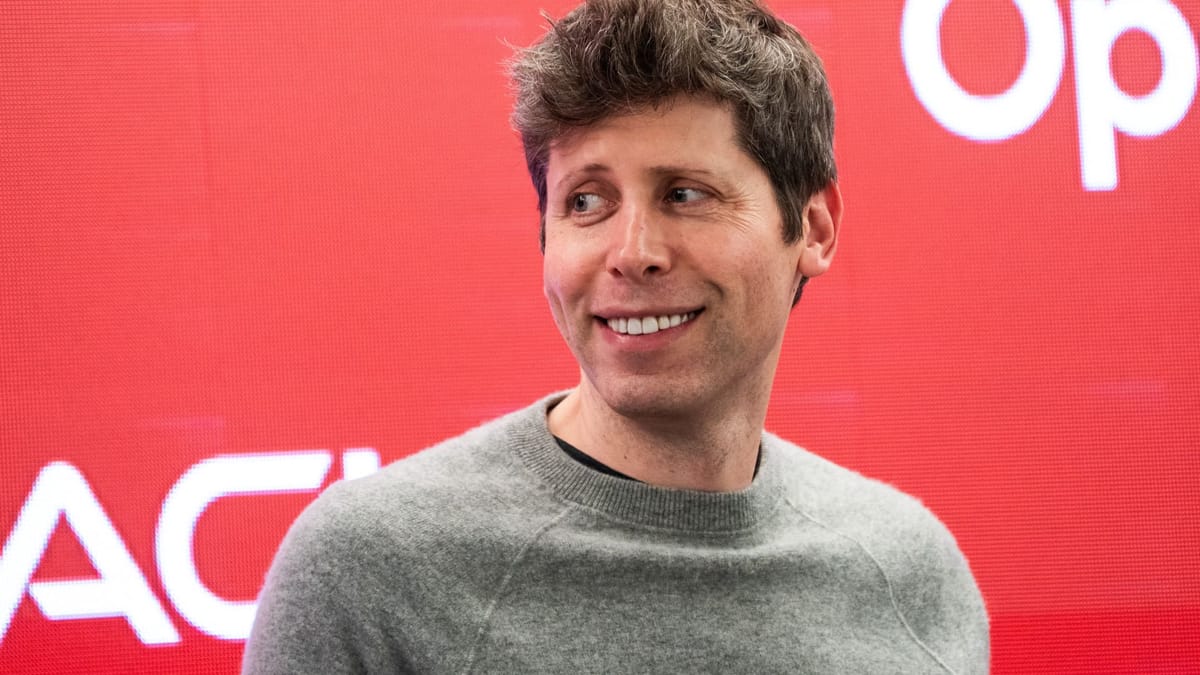
OpenAI is preparing to file confidentially for an IPO, according to CNBC, with prediction-market traders on Kalshi now pricing an 83% chance the company beats Anthropic to public markets. The target valuation is around $852 billion — the same figure attached to the $122 billion private funding round OpenAI closed at the end of March, when Amazon ($50B), NVIDIA ($30B), and SoftBank ($30B) anchored the post-money structure.
The internal disagreement
CEO Sam Altman has been pushing for a faster public-market debut. CFO Sarah Friar, who recently told industry counterparts the company "will not be ready" for a listing by the end of 2026, is the brake. The friction is operational: the financial reporting, audit posture, and segment-level disclosure required for a U.S. listing — particularly one of this size — is a multi-year build, and OpenAI's nonprofit-to-PBC governance overhaul is itself still in motion. The argument Altman is making, per the reporting, is that being first to file is more strategically valuable than being fully ready to file. That argument is in line with how OpenAI has approached every other competitive front in the past three years.
Why the race actually matters
The reason "first to public" matters in the AI cohort is index inclusion and passive flow. The S&P 500 and the Nasdaq-100 both rebalance toward whoever lists first at scale; a Mag 8 reshuffle to include OpenAI ahead of Anthropic, xAI, or Anthropic-and-others changes the cost of capital for the entire cohort. It also unlocks the secondary market for early employees and early-stage investors who have been waiting on liquidity since the 2023 round. That is real money — Coatue, Sequoia, Tiger, and Fidelity all have nine-figure positions that have to be marked.
The Microsoft relationship complicates the optics. As we covered last week, the recent Microsoft-OpenAI restructure cleared the cleanest path yet to an IPO — Microsoft's preferred-equity conversion ratio was the loose thread that any banking syndicate would have asked about first. With that resolved, the filing has somewhere to land.
The risks
Musk's lawsuits, which CNBC's piece flags, are the most visible overhang. SEC review at this valuation will be exhaustive. Congressional governance scrutiny of how OpenAI splits commercial and nonprofit operations is ongoing. None of those are deal-breakers, but each one is a multi-month delay if it sticks. The fastest Q4 2026 timeline is achievable; the realistic timeline is 2027, and the public-or-not status in twelve months will depend less on Altman's preference than on whether the SEC clears the prospectus on first pass.
The base case: confidential S-1 by summer, roadshow by Q4, listing window Q1 2027. If anything moves faster than that, it will be the most aggressive financial event of the AI era so far.
Source: CNBC, Kalshi prediction market data.



Comments