
Key Points
- Seedcamp raised $320 million total: $220 million for Fund VII (pre-seed/seed) and $100 million for Seedcamp Select (Series B+ follow-ons)
- Fund VII is more than 20% larger than its predecessor Fund VI ($180 million, closed 2023), reflecting the firm's expanding deal capacity
- The firm now manages over $1 billion in AUM across 550+ portfolio companies and 12 unicorns including Revolut, Wise, UiPath, and Synthesia
- Seedcamp is expanding its U.S. presence with offices in New York and Miami, backed by a thesis that AI is entering a "physical" phase
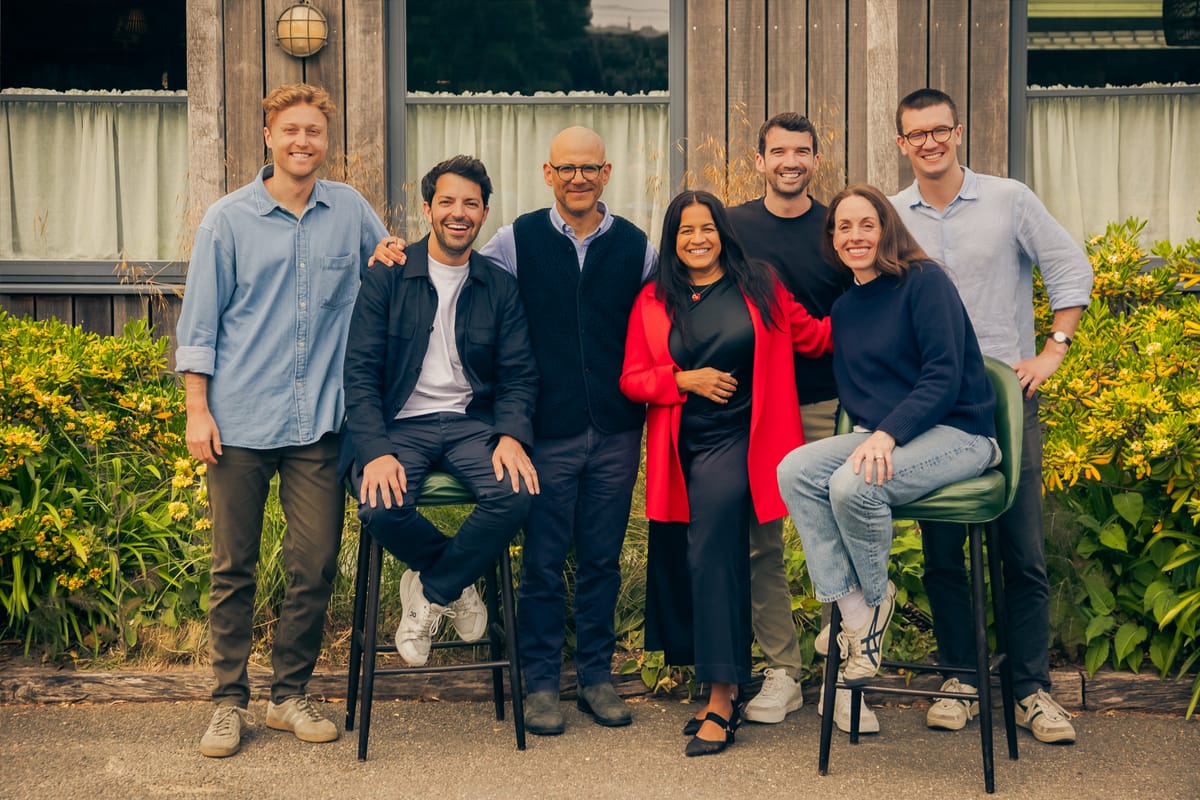
Seedcamp, the London-based venture firm founded in 2007 with a $2.5 million debut fund, closed $320 million across two vehicles that mark its largest fundraise and most deliberate push into the American market. Fund VII, the $220 million flagship, will continue writing pre-seed and seed checks into European and now increasingly U.S.-based startups. Seedcamp Select, a $100 million companion fund, gives the firm dedicated capital to follow its winners into Series B rounds and beyond — a capability that earlier funds lacked.
The Track Record Behind the Raise
The fundraise leans on returns that place Seedcamp among the top-performing European seed firms. Fund III has returned more than 13x DPI (distributions to paid-in capital), meaning LPs have received back over 13 times their original commitment in cash. Fund IV sits above 5x net TVPI (total value to paid-in capital). Those numbers attracted institutional backers including the British Business Bank, HarbourVest, Schroders, and Sofina, alongside roughly 80 portfolio founders who re-upped as LPs — a signal of LP confidence from inside the portfolio.
The portfolio includes 12 companies that reached unicorn status: Revolut, Wise, UiPath, and Synthesia among them. Seedcamp's total portfolio now exceeds 550 companies across nearly two decades of investing.
The U.S. Expansion
Seedcamp is building out a U.S. team with offices in New York and Miami. The transatlantic expansion reflects a broader pattern among European seed funds that increasingly compete for deals on both sides of the Atlantic — and need local presence to win them. Fund VII is more than 20% larger than its $180 million predecessor closed in 2023, and part of that growth is earmarked for American deal flow.
The Physical AI Thesis
Partner Tom Wilson has framed the firm's forward-looking thesis around what he calls the end of a 20-year software cycle. The argument: the next wave of venture-scale companies will sit at the intersection of AI and the physical world — robotics, manufacturing, logistics, health — rather than in the pure-software layer that defined the previous generation of European unicorns. It is a thesis that several U.S. firms have articulated in different language. Seedcamp's version bets that the founders building those companies will increasingly come from Europe and need capital that follows them wherever they incorporate.
Source: TechCrunch, Tech Funding News
Comments