
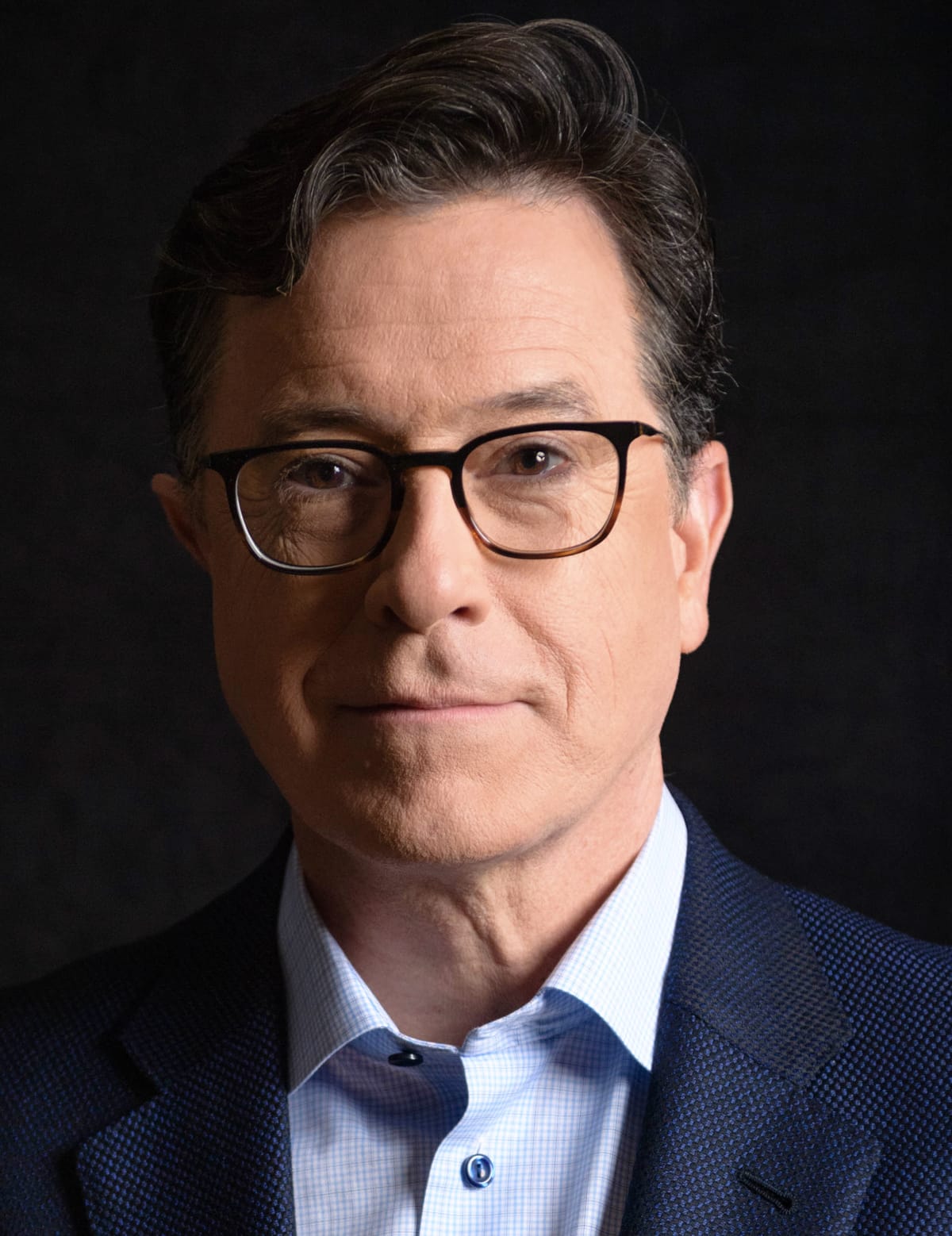
On May 21, 2026, Stephen Colbert will host his final episode of The Late Show — his 1,801st over eleven years. The number is large, but the more important detail is what happens to the chair afterward. Nothing. CBS is not replacing Colbert. It is retiring The Late Show franchise entirely, ending a program that ran for 33 years, and handing the 11:35 p.m. slot back to its local affiliates.
This is not a host change
When a late-night host leaves, the ritual is familiar: a tearful send-off, a successor announced, a new face in the same studio by fall. That is not what is happening here. CBS canceled the show in July 2025, citing "a financial decision against a challenging backdrop in late night." The franchise that David Letterman launched in 1993 and Colbert inherited in 2015 is being shut down, not transferred.
That distinction matters. A host change is a personnel story. The end of a franchise is a structural one. CBS has looked at the economics of producing an hour of original nightly television — a full writing staff, a band, a studio audience, a celebrity-booking operation — and decided the math no longer works against what that hour can earn. Handing the slot back to affiliates is the network admitting that syndicated reruns and local programming are simply cheaper.
The end of a shared nightly clock
For most of television's history, late night was one of the last reliable pieces of monoculture. Millions of people ended their day on roughly the same schedule, watching the same host turn the day's news into a monologue. It was a shared clock. Streaming dismantled the rest of appointment television years ago; late night held on longer because it was cheap to produce and ran on the day's events, which never stop arriving.
What finally broke it was not a lack of audience but a lack of that audience — the live, ad-supported, prime-demographic viewer late night was built to sell. The monologue still travels. It just travels as a next-morning YouTube clip, watched on a phone, monetized at a fraction of the rate a broadcast slot once commanded. The format outlived the business model that paid for it.
A send-off that doubles as an obituary
Colbert is closing with a guest list that reads like a statement: Barack Obama, David Letterman, Tom Hanks, Julia Louis-Dreyfus, Pedro Pascal, and "Strike Force Five" — fellow hosts Jimmy Fallon, Jimmy Kimmel, Seth Meyers, and John Oliver appearing together. The Strokes and Foo Fighters will play. It is a celebration, but the presence of every other surviving network host on one stage also looks like a wake for the format they all work in.
Colbert himself is not slowing down. He is reportedly moving on to write the next Peter Jackson–directed Lord of the Rings film — the same Jackson who received an honorary Palme d'Or at Cannes this month. The career continues. The institution does not. When the lights go down on May 21, a nightly American ritual that lasted three decades simply stops — and nothing is scheduled to take its place.



Comments