
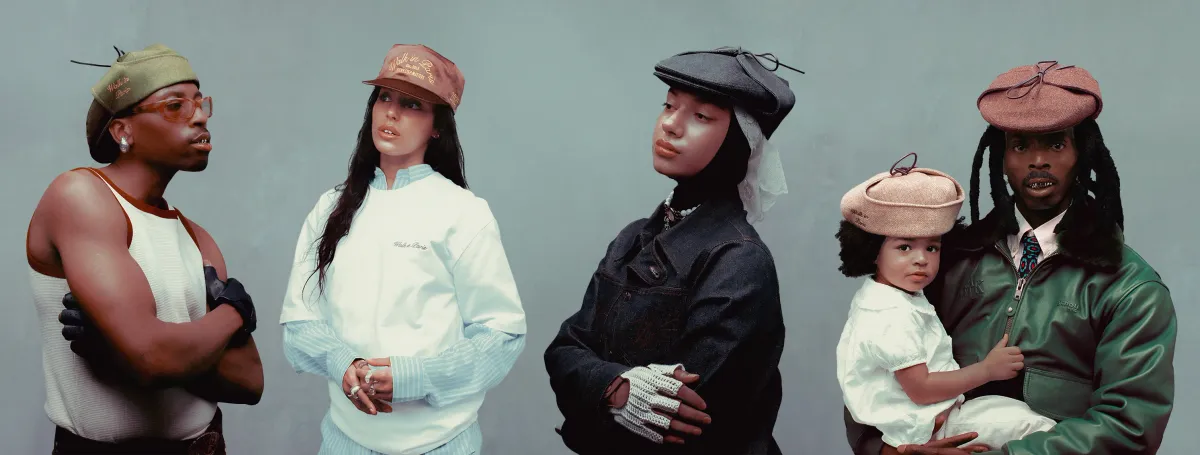
Gary Neveu's Walk in Paris operates as an independent creative house that treats fashion as an institutional statement rather than a seasonal product. Founded in 2013, the Paris-based brand positions itself between 1970s elegance and 1990s hip-hop culture—a deliberate framing that claims cultural lineage while maintaining contemporary relevance. The "lazy chic" aesthetic serves as both a design philosophy and a market positioning, distinguishing Walk in Paris within the elevated streetwear category by emphasizing timelessness over trend cycles.
The brand's multidisciplinary approach extends beyond clothing into deliberate cultural production. "Walk Tape Vol. 1" brought together French-speaking artists, establishing Walk in Paris as a cultural curator rather than just a fashion label. The "Walk in Paris Odyssey" series—featuring episodes in Seoul, Cairo, and Bangkok—treats each city as both an inspiration source and a cultural validation mechanism. These aren't marketing campaigns but strategic collaborations with local creative communities, positioning the brand as a global cultural participant rather than an external observer.
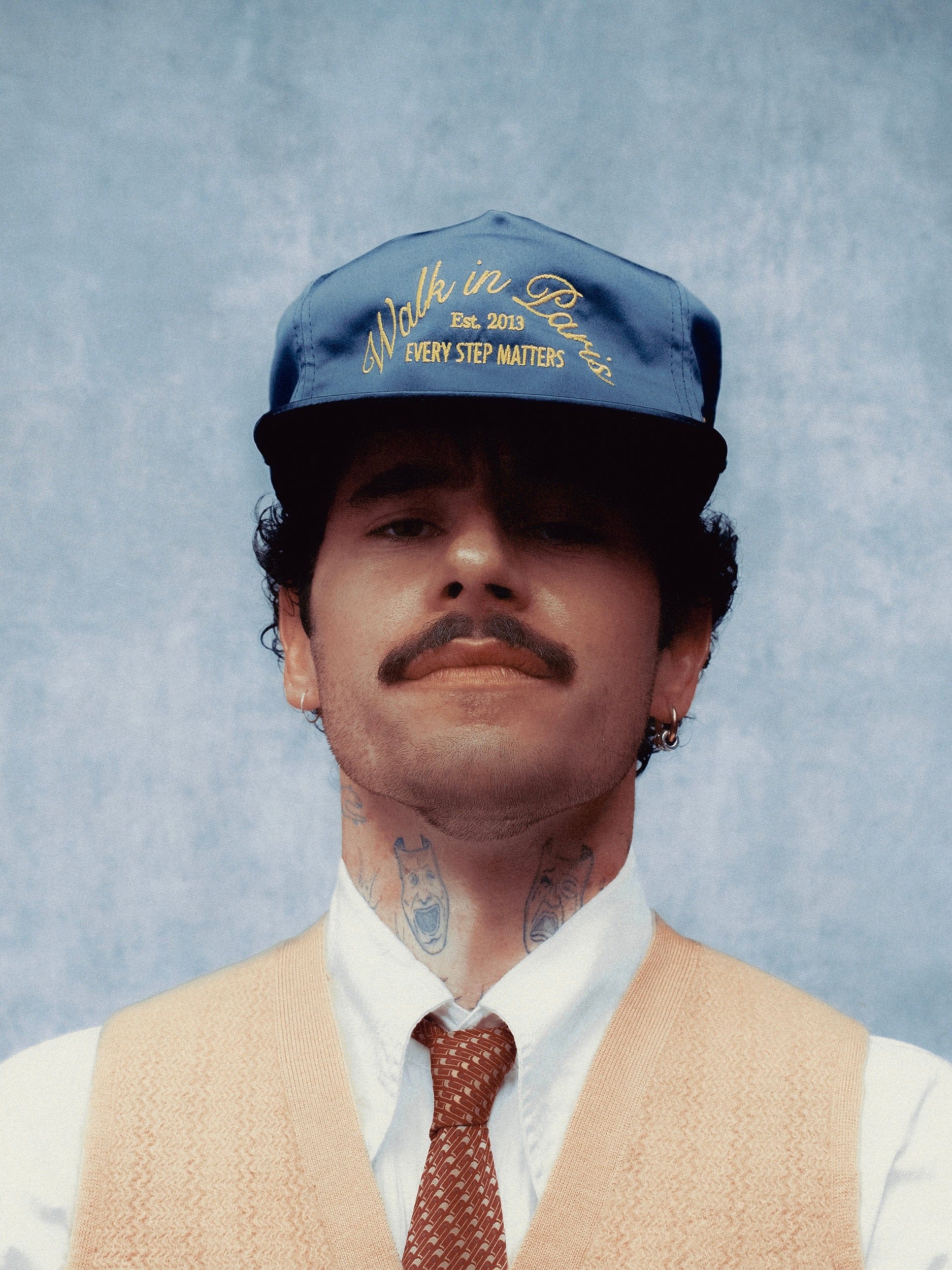
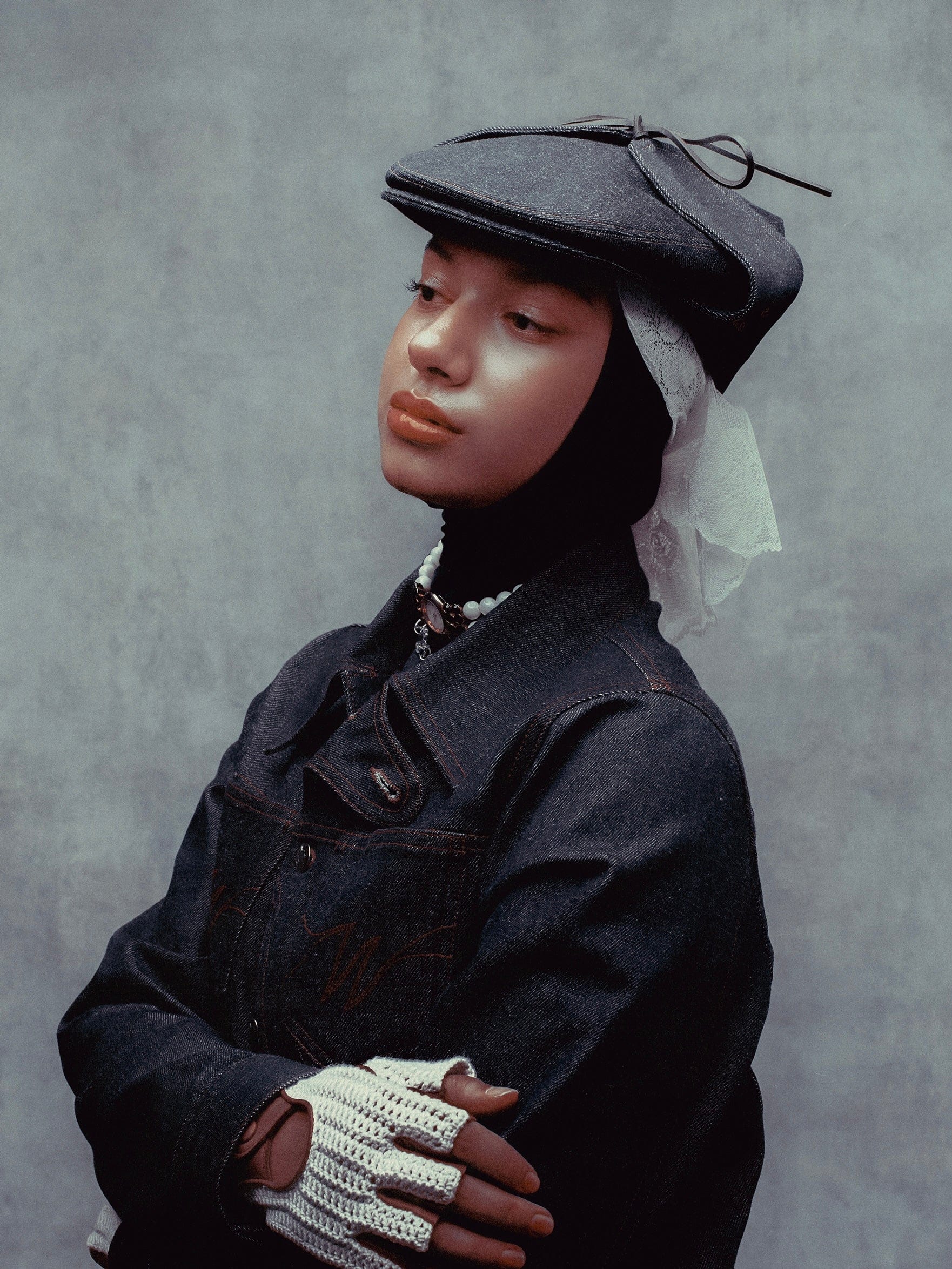

The Cairo episode, directed by Franco-Egyptian Ahmed Razeek, exemplifies this approach: three short films that examine the brand's aesthetic through Cairo's urban landscape, collaborating with local talent through Razeek's Rue Creative Studio. Strategic collaborations with heritage institutions validate Walk in Paris's cultural positioning. The ongoing partnership with Schott NYC—founded exactly 100 years before Walk in Paris—frames the relationship as a dialogue between American heritage and contemporary Parisian vision. The Le Meurice Hotel collaboration similarly positions the brand within a luxury hospitality context, creating capsule collections that blur boundaries between fashion and lifestyle. Partnerships with Lacoste and Paraboot follow this pattern: established heritage brands lending institutional weight while Walk in Paris provides contemporary cultural relevance. The brand's "Create your own heritage" slogan serves as both a design philosophy and a strategic positioning. Rather than claiming established heritage, Walk in Paris advocates creating personal heritage through intentional curation. This framework resonates with audiences seeking cultural legitimacy beyond traditional luxury structures. The Paris flagship store, designed by Neveu and Juliette Castay with handcrafted furniture and globally sourced décor, serves as a physical manifestation of this philosophy: a space where the brand's "collective history" is actively constructed rather than inherited. Walk in Paris positions itself not as another streetwear label but as a cultural institution in formation, building legitimacy through strategic collaborations, multidisciplinary output, and community cultivation.


Comments