
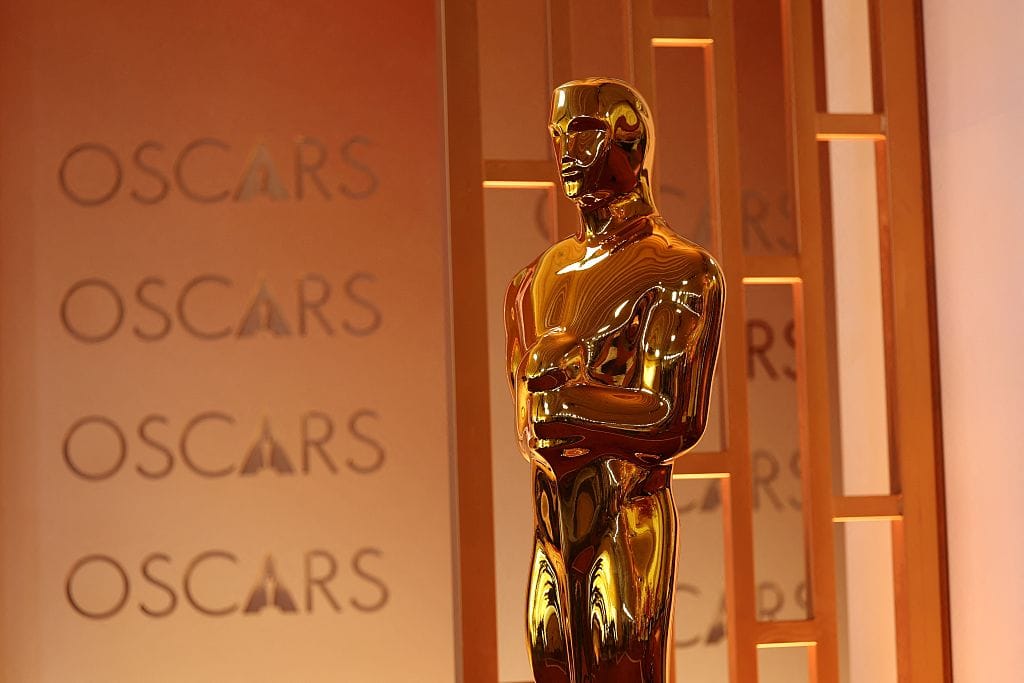
The Academy of Motion Picture Arts and Sciences has drawn its clearest line yet on artificial intelligence: AI-generated acting performances and AI-written screenplays are not eligible for Oscars. The rule, announced in early May, makes the next ceremony the first to formally police where a model's work ends and a human's begins.
What the rule actually says
Two provisions matter. For acting, only performances "credited in the film's legal billing and demonstrably performed by humans with their consent" can be nominated — language aimed squarely at digital recreations and synthetic performers. For writing, a screenplay must be "human-authored": a writer may use AI tools for research, organization, or workflow, but a script generated by a model and lightly edited afterward does not qualify. The Academy also reserved the right to request details about a film's AI usage, and said intentional misrepresentation can trigger disqualification or future submission bans.
Eligibility, not prohibition
The distinction worth holding onto: the Academy did not ban AI from filmmaking. A movie can use AI tools throughout its production and remain Oscar-eligible. What the rule governs is authorship of the specific things being awarded — the performance, the screenplay. The Academy is not litigating how films get made; it is defining what a human creative credit means when a model can plausibly produce a draft of it.
The TV side of the awards business is shifting as well: the Television Academy is in advanced talks to move the Emmys to Amazon Prime Video, following the Oscars' planned move to YouTube in 2029.
Why this is a precedent
Hollywood spent the 2026 awards season arguing about AI in the abstract. This converts the argument into procedure. Awards bodies are, functionally, the industry's definition of merit — and once the most prestigious one writes "human-authored" into its rulebook, guilds, festivals, and studios have a template to copy. The harder problem is enforcement: proving authorship is messier than asserting it, and "used tools for workflow" is a wide doorway. But the Academy has now made the human-or-not question a condition of eligibility rather than a talking point. That is the part that will be cited for years.




Comments