
June 14–20, 2026 · The week ownership stopped being something you share.
This Week
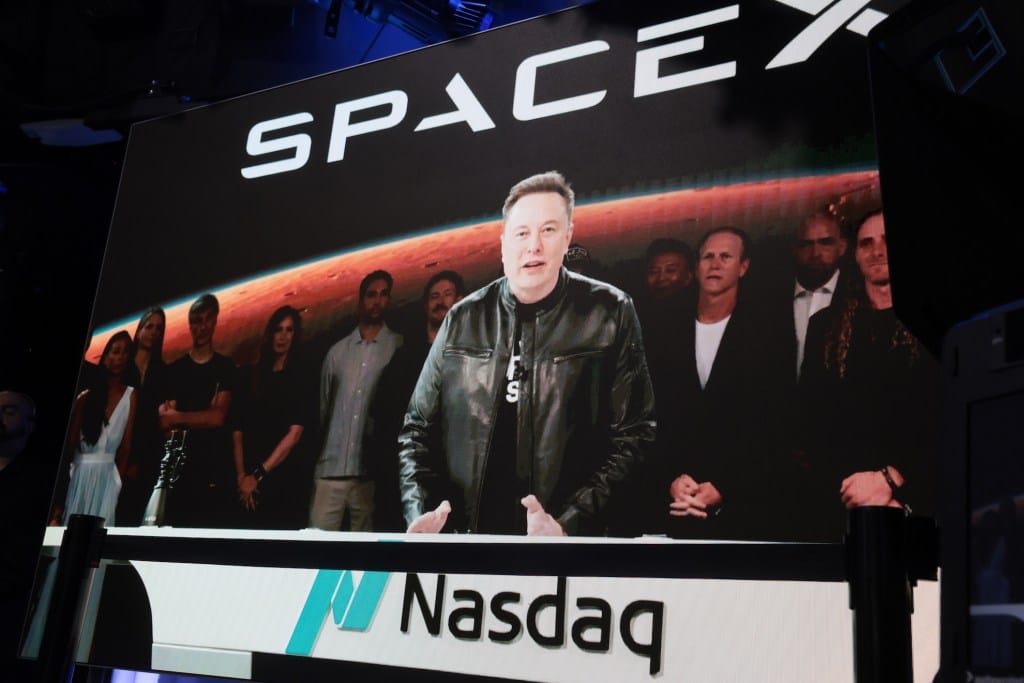
Across four very different arenas, the same transaction kept repeating: control consolidating into the hands of whoever owns the platform, the IP, or the franchise — and out of the hands of the partners, pundits, and minority holders who used to sit between talent and value. SpaceX absorbed the most valuable startup in AI developer tooling. The Knicks ended a 53-year drought and then watched the most powerful voice in sports media apologize to them on the players' own podcast. A fashion conglomerate bought out the last sliver of a house it already ran. The structural story of the week is not any single deal — it is that the premium has moved from making the thing to owning the thing.
Sneakers — What Dropped, What It Means
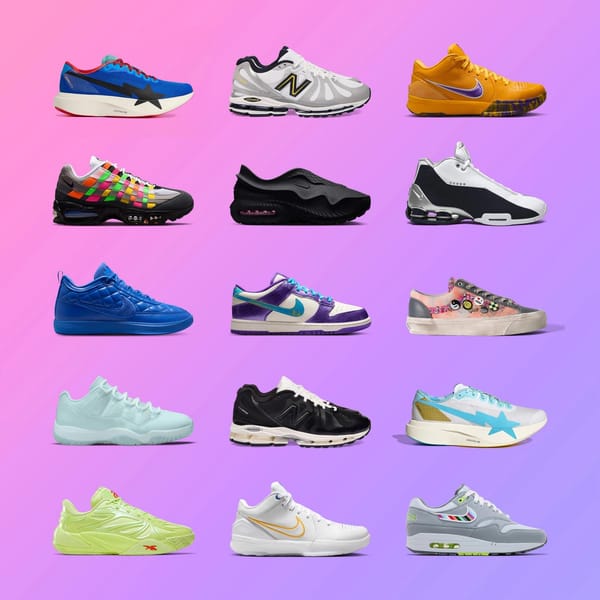
The week's most telling release is the Nike Kobe Dunk Low "Charlotte to LA" ($145, June 26), built around the 30th anniversary of Bryant's 1996 draft-night trade — purple snakeskin and teal that wears away to Lakers gold. It is a legacy asset being actively managed by the estate that owns it, not a passive reissue. Alongside it, the Air Max 95 Big Bubble "Woven" ($190, June 24) continues Nike's restored Big Bubble revival, and the adidas x size? x Billy's "Japan City Series" Osaka shows the retailer-as-curator model that lets a brand rent local credibility it can't manufacture from headquarters.
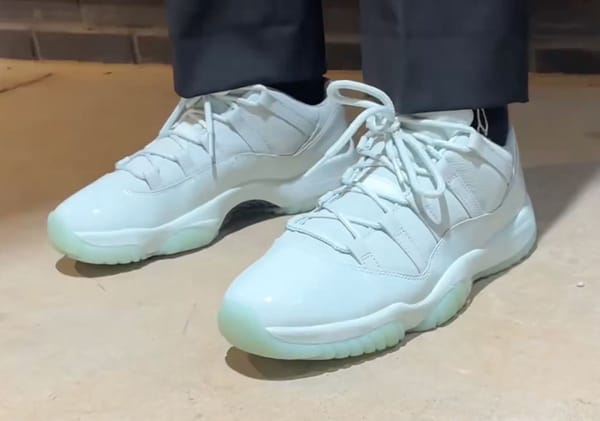
The system story a brand strategist should take from June: the calendar is now dominated by owned legacy lines and boutique-gated collabs — Jaide gets the first collaboration in Air Jordan 11 history on June 27 — because scarcity manufactured through ownership of an archive or a doorway outperforms scarcity manufactured through marketing spend.
Sports — The Business Behind the Game
The New York Knicks won the 2026 NBA Finals 4–1 over San Antonio — their first title since 1973 — with Jalen Brunson taking Finals MVP on a franchise-record 45-point close-out. The on-brand sequel arrived off the court: Stephen A. Smith apologized to the Knicks at the taping of Brunson and Josh Hart's podcast. Read that as a power transfer. The most-distributed pundit in American sports made his correction on the players' own owned channel — talent now controls the venue where its narrative gets adjudicated, and media has to come to the feed rather than the other way around.
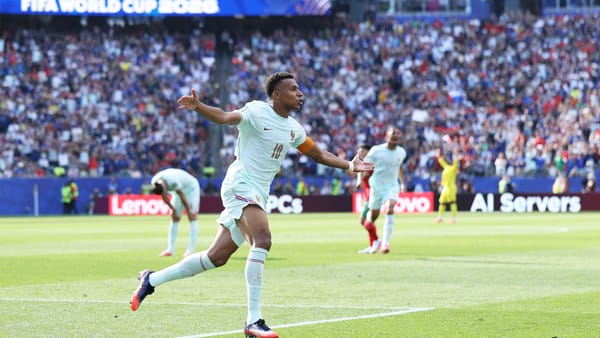
The ownership theme runs through the front office and the ledger too: Kendrick Perkins was named GM at Jackson State, an ex-player taking an operating seat at an HBCU program, while Jeffery Simmons signed a record $105.8M Titans extension to become the NFL's highest-paid defensive tackle. And with the USMNT through to the World Cup knockout round after a 2–0 win over Australia, the tournament's real business is the host nation monetizing an event it owns outright through 2026. The pattern held into the summer: by mid-July, Oklahoma City's own version of the trend arrived when OKC United was unveiled, a new USL Championship club with Russell Westbrook, Baker Mayfield and the Chickasaw Nation among its owners.
Culture — What's Moving and Why
OTB — Renzo Rosso's group — acquired the final 30% of Viktor&Rolf to take full ownership of the Dutch couture house. It is a small deal in dollar terms and a clarifying one in logic: conglomerates increasingly want 100%, not majority, because creative IP only compounds when a single owner controls licensing, fragrance, and archive without a partner's veto. In music, June's release slate skewed toward catalog and legacy plays — D12's "Forever Vol. 1" landed June 19 alongside YG's "The Gentlemen's Club," with T.I.'s "Kill The King" to follow — a reminder that established names are monetizing owned brand equity faster than new acts can build it.
What a strategist needs before the next client meeting: the value in culture this week sat with whoever held the master, the house, or the back catalog. Reception mattered less than control of the asset generating the reception.
On Your Radar — Apply This to Your Week
For anyone building in AI: SpaceX's $60B all-stock acquisition of Anysphere/Cursor — the largest deal in AI developer-tooling history, on ~$2.6B annualized revenue — signals that the application layer is being bought by platform owners, not the other way around. If your roadmap assumes neutral, independent tooling, price in consolidation now.
For investors watching the AI bubble: Moonshot AI is chasing a $30B valuation — a 7x jump in six months on ~$200M ARR — while Bernie Sanders floats a $7T bill for public ownership stakes in AI companies. Private markets and Washington are now fighting over the same question: who should own the upside. Track which framing your portfolio is exposed to.
For brand strategists in sports: The WNBA's shift to standalone sponsorships — 13 solo deals today versus one five years ago, with expansion to 18 teams by 2030 and the Valkyries valued at $1B — is the template. Stop bundling women's sports into a larger package and pitch it as an owned, standalone property. That is where the 40% year-over-year growth is.
The Uristocrat Take
The week's lesson is that distribution and ownership are collapsing into the same thing. The podcast feed where Stephen A. Smith made his apology, the AI stack SpaceX folded into itself, the couture house OTB took whole, the Kobe line the estate keeps mining — in every case the party that captured the value was the one that owned the platform outright, not the one renting access to it. The intermediaries being squeezed are the minority partners, the licensing middlemen, and the media voices who used to sit between talent and audience. The signal worth watching into July: as the World Cup knockout rounds and a Hong Kong AI IPO market both heat up, watch who is buying control versus who is selling access — that split, more than any single headline, will tell you where the next year's leverage sits.
The Intelligence Brief publishes every Saturday. All stories in full at uristocrat.com. If this was useful, send it to someone who'd say the same.
Comments